
Archives for October 2026

Limo Service in Marin County: Event and Airport Guide

A limo service Marin County travelers can rely on starts with a clear plan: where each passenger will be picked up, when the vehicle is needed, how much space the group and its belongings require, and whether the ride includes waiting or several stops. These details matter for airport transfers, weddings, wine-country outings, executive trips, and celebrations.

Request a Quote or call (415) 799-2744 to discuss your Marin County itinerary.
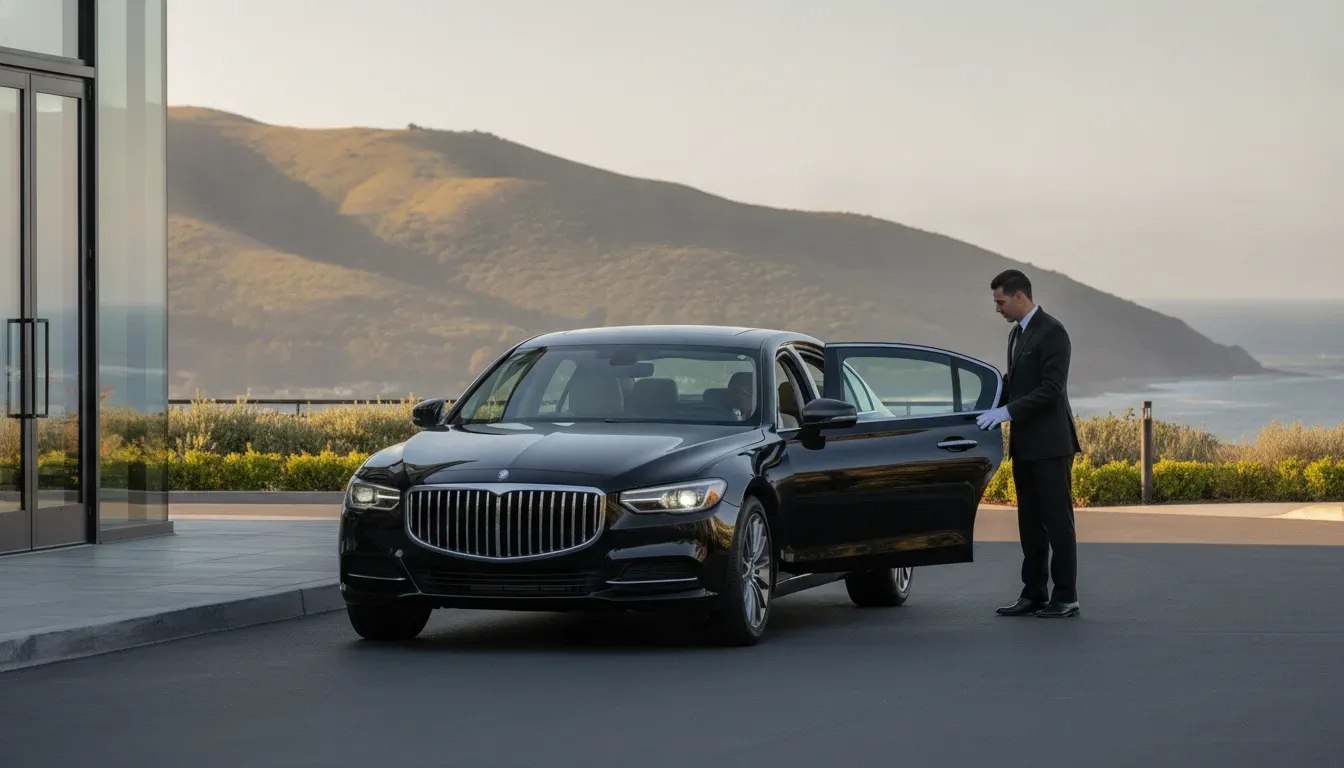
Unbranded black chauffeured sedan arriving at a Marin County event venue

What should you decide before booking a Marin County limo?

Start by defining the ride, not by choosing a vehicle. A precise trip outline helps the transportation provider understand the route, service window, and passenger needs before preparing a quote.

Write down the purpose of the trip and the moments when transportation is essential. An airport drop-off may be a simple point-to-point trip, while a wedding can involve several pickup locations, a ceremony, portraits, and a reception. A wine-country day may require the vehicle to stay available between scheduled stops.

For each trip, clarify:

  • The date, requested pickup time, and the time passengers need to arrive.
  • The exact pickup address or meeting point, including building, terminal, hotel, or venue details.
  • Every planned destination and stop, in travel order.
  • The number of passengers and the amount of luggage, event supplies, or other items.
  • Whether the booking is one-way, round trip, hourly, or a multi-stop itinerary.
  • Whether the chauffeur should wait, return at a set time, or remain available during the outing.

If the itinerary is still changing, distinguish confirmed details from estimates. For example, give the known ceremony address but flag the reception end time as tentative. This makes it easier to discuss what can be adjusted later and which changes may affect the quote.

Review the available transportation services and fleet options as you prepare. The right choice depends on the particular route and group, not simply on the event label.

How should you plan an airport transfer from Marin County?

Build an airport transfer around the flight schedule, the passenger’s starting point, and the airport’s pickup instructions. Share the flight details and clarify whether you need a drop-off, a pickup after landing, or a round trip.

For a departure, work backward from the time passengers should reach the airport. Consider the pickup sequence if people are joining from more than one address, how long it takes the group to load, and the drive from the final stop. Traffic can change travel time, so discuss a sensible departure buffer with the provider rather than relying on a best-case estimate.

For an arrival, tell the provider the airport, airline, flight number, scheduled arrival time, passenger count, and baggage needs. Ask exactly where the group should meet the chauffeur and what to do if a flight is delayed or the baggage claim takes longer than expected. If different passengers arrive on separate flights, explain whether the plan is to wait for everyone or arrange separate pickups.

Marin County travelers may use different Bay Area airports depending on their itinerary. State the airport by its full name or standard code, such as SFO, OAK, or SJC, to avoid confusion. Do not assume that a quote includes flight monitoring, parking, meet-and-greet service, or extra waiting; ask which services are included.

When passengers need a coordinated group ride, compare the timing and pickup needs with Epic’s airport transportation for groups. If the trip involves an airport shuttle plan rather than an individual car, review the relevant airport shuttle service guide as well.

How do you choose the right vehicle for the group?

Choose a vehicle based on the actual passenger count, luggage, and comfort needs, then confirm the capacity with the provider. Passenger seats alone do not tell the full story if the group is traveling with suitcases, formalwear, equipment, or event supplies.

Count every rider, including children, and share the amount and approximate size of luggage. For a wedding party, mention dresses, garment bags, flowers, or other items that will travel in the vehicle. For an executive airport transfer, list the number of travelers and suitcases. For a celebration, tell the provider whether everyone needs to ride together or if separate vehicles could work.

Trip type Details to match to the vehicle Planning question
Airport transfer Passenger count, suitcases, and number of pickup addresses Will all passengers and bags fit comfortably together?
Wedding Wedding party size, formalwear, and ceremony or reception stops Does the plan require more than one trip or vehicle?
Wine-country outing Group size, tasting itinerary, and any items brought along Will the vehicle stay available between stops?
Executive travel Number of travelers, luggage, and schedule changes Is point-to-point service or a scheduled wait more suitable?
Celebration Guest count, pickup locations, and final drop-offs Can the route collect and return guests as planned?

Use the table as a first-pass checklist, not as a promise of capacity. Ask the provider to confirm the specific vehicle and its usable passenger and luggage space for your trip. If the group count may change, give a range and ask when the final number is needed.

Explore the vehicle options and describe what the group will bring. If your plans require a larger group vehicle, Epic’s motor coach and group booking page is a relevant place to discuss the arrangement. Avoid selecting a vehicle based on photos alone; confirm the passenger and luggage fit for the itinerary.

What timing and pickup details should you confirm?

Confirm a specific pickup time and a precise meeting location for every leg. In Marin County, a clear address and a practical loading point are especially useful when a property has multiple entrances, a long driveway, limited curb access, or a busy event entrance.

For each pickup, share the address, preferred entrance, and any instructions a chauffeur would need to find the group. Tell guests where to wait and who will coordinate boarding. For a multi-stop route, list locations in sequence and include the expected time at each stop. If the order may change, point that out before the trip is booked.

Think through the actual boarding process, not only the map pin. A large group may need a clear staging area where everyone can gather without blocking an entrance. At a private home or event property, check whether the vehicle can enter the driveway or needs to meet passengers at the street. At a hotel or venue, identify the correct door and confirm that guests can recognize it. Share these instructions with the group in advance so the scheduled pickup time is not spent finding one another.

When several passengers are joining at separate locations, identify a lead contact and make sure that person has the complete stop order. If a passenger may not be ready at the planned time, decide whether the group can leave without them or whether the route needs a different sequence. Settling those choices before the trip can prevent last-minute calls and keep the rest of the itinerary easier to follow.

Plan a buffer around fixed commitments such as a flight, ceremony, reservation, or performance. Make the arrival deadline explicit; “leave around five” is less useful than “arrive at the venue by 5:30 p.m.” Then discuss the departure time needed to support that deadline. Travel conditions are variable, so build the plan with the provider and avoid scheduling a transfer so tightly that a small delay disrupts the whole day.

For a wedding, map the full sequence: guest or wedding-party pickups, ceremony arrival, any photo locations, reception arrival, and the final return plan. Epic’s wedding transportation service page can help you frame the conversation. For a celebration, consider whether guests will leave together or need more than one return time; the party transportation page is another relevant reference.

If your trip includes travel between Marin County and San Francisco, add the expected pickup and drop-off points rather than describing the route only by city name. For scenic or visitor itineraries, Epic’s San Francisco city tour information may help you identify the type of service to ask about.

When does wait service make sense?

Wait service may make sense when the group needs the vehicle available between activities or when a return pickup time is difficult to predict. A point-to-point booking may be simpler when the group only needs a ride to one destination and has a firm onward plan.

Think about how long the vehicle would be idle and whether the group needs flexibility. An airport arrival may involve an uncertain exit time; a wine-country outing may have several scheduled visits; a wedding may require transportation before and after the ceremony. Explain the expected duration and ask how the service is structured for the period between rides.

Before you book, confirm:

  • Whether the quote covers a single transfer, a round trip, or a block of time.
  • How the waiting period is measured and when it begins.
  • Whether the chauffeur stays with the group or returns at a scheduled time.
  • How extra time or an itinerary change is handled.
  • Where the vehicle can wait safely and legally at each stop.
  • What contact method to use if the group is running late or cannot find the pickup point.

For a wine-country day, put tasting locations and planned time at each stop in the itinerary. Epic’s wine tour transportation information can help you discuss a day with multiple destinations. Keep the schedule realistic and leave room to board, gather the group, and move between stops.

What should you include in a limo quote request?

A useful quote request includes the date, schedule, exact locations, passenger count, vehicle needs, and requested service type. The more complete the outline, the easier it is to clarify what the price covers and whether the plan fits your group.

Include the information below in one message when possible:

  1. Date and service window: Provide the date, pickup time, required arrival time, and anticipated finish.
  2. Addresses: List each pickup, destination, stop, and return location in order.
  3. Passenger count: Give the confirmed number or a reasonable range, and state when it will be finalized.
  4. Baggage and equipment: Note suitcases, formalwear, mobility equipment, or other items that affect space or boarding.
  5. Trip structure: Say whether you need one-way, round-trip, hourly, wait, or multi-day transportation.
  6. Airport details: Include airport, airline, flight number, and arrival or departure details when applicable.
  7. Special logistics: Flag separate arrival times, tight schedules, venue access instructions, or multiple guest pickup points.
  8. Open questions: Ask about vehicle assignment, wait time, included services, payment terms, and how changes are handled.

Request a written breakdown of the proposed service so you can compare like with like. Check whether the quote reflects the complete itinerary, including stops and return legs, and ask about any fees or terms that are not clear. Do not compare two totals without checking that each covers the same vehicle type, time window, and route.

For broader group travel, the charter bus planning guide explains the details to prepare for a bus request. If you are weighing a bus against a shuttle, see the bus-versus-shuttle guide. To discuss your own trip, use the contact page and send the full itinerary.

What should you verify before confirming the reservation?

Before confirming, make sure the service plan matches the quote and that you know how to coordinate on the travel day. A short final review can catch mismatched times, incomplete stops, or unclear waiting arrangements.

Review the date, pickup time, addresses, destination order, passenger count, vehicle plan, and service duration. Confirm the return ride if one is needed. Ask which details are set and which can be updated later, including the final passenger count. If your group has accessibility or boarding needs, raise them before confirmation so the provider can discuss what is feasible.

Also agree on a communication plan. Know who in your group will be the primary contact, how the chauffeur or dispatch team will reach that person, and what to do if the group is delayed. For an airport trip, clarify the process for flight changes. For an event, make sure guests know the pickup location and the person responsible for gathering them.

California passenger transportation rules and requirements can change. For current official information, consult the California Public Utilities Commission; ask the transportation provider any trip-specific licensing or service questions you have before booking.

Request a Quote with your date, addresses, passenger count, and preferred schedule.

Frequently asked questions

How far ahead should I request a Marin County limo?

Request a quote as soon as your date and main itinerary are known, especially when transportation is tied to an event or a group schedule. Share tentative details if some stops or passenger numbers are still being finalized, then ask when the provider needs the confirmed information.

Can one booking include several Marin County pickup locations?

It may be possible to plan several pickups, but provide every address and the order you want to follow when requesting a quote. The provider can review the timing and explain how the additional stops affect the proposed service.

Should I book hourly service or a round trip?

It depends on whether the vehicle needs to remain available. A round trip can suit a defined departure and return, while hourly or wait service may suit an outing with several stops or an uncertain finish. Describe the schedule and ask which option fits it.

What details should I give for an airport pickup?

Provide the airport, airline, flight number, scheduled arrival time, passenger count, luggage needs, and a reachable group contact. Confirm where passengers will meet the chauffeur and how delays or flight changes will be handled.

How do I know whether the vehicle has enough room?

Give the provider the number of passengers and a realistic description of luggage and other items. Ask them to confirm passenger and storage capacity for the specific vehicle proposed rather than estimating from the vehicle’s appearance.

What should I do if my itinerary changes?

Contact the provider as soon as a time, stop, or passenger count changes. Ask whether the revised plan affects availability, timing, or the quote, and get the updated arrangement confirmed in writing.

Ready to plan your Marin County ride?

A clear itinerary is the best starting point for airport transfers, weddings, wine-country travel, executive trips, and celebrations. Gather your pickup addresses, schedule, passenger count, and wait-service needs, then Request a Quote to discuss a transportation plan for your Marin County trip.


Charter Bus Rental San Jose: Group Travel Guide

Moving a large group through San Jose is rarely just a matter of finding seats. Conference attendees may need coordinated hotel and venue transfers, a school group may need luggage and supervision space, and a wedding or sports team may have several time-sensitive stops. The right plan starts by matching the vehicle and service model to the people, route, schedule, and accessibility needs.

Request a Quote

Charter bus rental San Jose planning involves confirming your group size, pickup and drop-off locations, stop sequence, luggage, timing, and required amenities before requesting a quote. In the South Bay, those details help shape a practical vehicle choice for airport-area movements, corporate travel, school trips, sports, conferences, and special events.

Modern charter bus arriving for a group trip in San Jose

Epic Limousine serves San Jose and the broader South Bay from its San Francisco Bay Area operation. The planning process below explains how to turn a general transportation need into a workable itinerary, beginning with the details that define the trip itself.

What does charter bus rental San Jose planning involve?

Charter bus rental San Jose planning involves matching the group, route, timing, and pickup details before selecting transportation. For a San Jose or South Bay trip, start with the complete movement plan: where passengers gather, which venues they will visit, when the group must arrive, and whether the vehicle will wait between activities.

Start with the San Jose itinerary

San Jose group travel may connect hotels, convention venues, campuses, sports facilities, restaurants, and airport-area locations. List every stop in order, then allow time for passenger loading, traffic, venue access, and movement between scheduled activities. Point-to-point service may fit a simple transfer. An hourly charter can support multiple stops, while a multi-day service may make sense for conferences, school travel, tournaments, or extended events. For a fuller planning framework, review this guide to group transportation itinerary planning.

Keep the South Bay context specific

This guide focuses on San Jose and its South Bay connections rather than treating every Silicon Valley trip as interchangeable. Identify the actual San Jose pickup area, destination addresses, event schedule, and any cross-city travel before requesting a quote. That local detail helps the transportation plan reflect the group’s day instead of relying on a generic city template.

Confirm the service model and vehicle needs

Epic Limousine is a family-owned luxury ground transportation provider serving the San Francisco Bay Area since 2012. Its documented service models include point-to-point trips, hourly charters with multiple stops, and multi-day service. Vehicle categories and amenities should be treated as planning options, not guarantees of availability. Confirm passenger capacity, luggage space, accessibility needs, and requested features for the specific date and vehicle.

San Jose has nearby charter-bus planning pages for Sunnyvale and Santa Clara. But the right choice depends on your actual San Jose itinerary, not simply the nearest city label. Bring the full schedule and pickup information to the quote process so the proposed service can be evaluated against the group’s real route.

How do you match vehicle capacity to your group?

Match the vehicle to more than your headcount. Start with the number of passengers, then account for luggage, route length, boarding locations, and amenities your group needs. The listed fleet categories provide a planning range, but capacity and amenities must be confirmed for the specific date and vehicle.

Use passenger count as the starting point

A 14-passenger group may fit a Mercedes Sprinter van, while a group of 20 to 35 may be better aligned with a minibus. Larger groups may need a full-size motor coach or charter bus. Epic’s documented fleet includes motor coaches for 36 to 56 passengers and charter bus categories listed for 47 to 56 passengers. These are listed capacities, not a promise that a particular vehicle will be available.

Vehicle categories for group transportation planning
Vehicle category Listed capacity May fit best for Confirm before booking
Mercedes Sprinter van 14 passengers Small groups and shorter transfers Passenger and luggage space
Minibus 20-35 passengers Medium groups and local shuttles Seating, storage, and route needs
Full-size motor coach 36-56 passengers Large groups and longer itineraries Exact capacity and onboard features
Charter bus 47-56 passengers High-capacity group movements Vehicle assignment and luggage needs

Account for luggage and onboard needs

Passenger capacity alone can be misleading. Airport transfers, conferences, athletic travel, and overnight trips may require substantial luggage space. Motor-coach features can include reclining seats, restrooms, luggage compartments, Wi-Fi, USB charging, and power outlets. Confirm each amenity for the specific vehicle rather than assuming it comes with every category.

Review the fleet options and provide your passenger count, luggage estimate, route, stops, and accessibility or amenity needs when requesting a quote. That information helps determine whether your planned charter bus rental San Jose should be a Sprinter, minibus, motor coach, or another listed vehicle category.

How should you build a San Jose group itinerary?

Build the itinerary around the group’s purpose, passenger movement, and time between stops. A point-to-point transfer may need only clear pickup and drop-off details, while an hourly charter, multi-stop route, or multi-day trip benefits from a documented sequence, realistic travel windows, and a vehicle plan that can be confirmed with the operator.

  1. Define the trip type. Decide whether the group needs a single point-to-point transfer, an hourly charter with multiple stops, or transportation across several days. The service model affects how much routing detail belongs in the request.
  2. Set the operational anchors. Record the San Jose pickup address, final destination, event or meeting start time, and the time the group must be ready to move. Include the full address for hotels, campuses, venues, offices, or residences rather than relying on a business name alone.
  3. List every planned stop in order. Put airport-area movements, meals, venues, hotels, campuses, and return trips into one sequence. For each stop, note whether passengers will exit, wait with the vehicle, transfer luggage, or continue immediately.
  4. Build in group-ready windows. Account for passenger loading, luggage handling, check-in, event dismissal, and reunification after free time. Avoid presenting tight connections as guaranteed. A workable itinerary gives the transportation team room to confirm routing and timing for the specific date.
  5. Plan for changes and standby needs. Identify which stops are fixed and which may move. If the group needs the vehicle available during a conference, tournament, wedding, or multi-day program, state the expected standby periods instead of describing them as ordinary travel time.
  6. Send quote-ready details. Share the date, passenger count, pickup and drop-off addresses, timing, stop sequence, luggage, event schedule, and any amenity or accessibility needs. This gives the operator the information needed to discuss vehicle fit and routing.

For a deeper planning worksheet, review group itinerary planning and adapt its framework to your San Jose and South Bay stops. Keep the final route specific enough to review, but flexible enough for the transportation provider to confirm the details.

Which groups use charter buses in San Jose?

A charter bus rental San Jose plan can support groups that need coordinated movement between hotels, campuses, venues, airports, and off-site activities. Common users include conference organizers, schools, sports teams, corporate travel managers, wedding parties, and groups arranging airport-area transportation.

Conferences and conventions

Conference organizers may use scheduled shuttles to connect hotels with convention facilities, evening events, and meeting venues. A clear pickup schedule and designated loading points help attendees move between locations without managing separate rides. Epic’s convention shuttle planning service is relevant for programs with recurring attendee movements.

Schools and student groups

Academic transportation can support field trips, campus visits, student travel, and school activities. Planners should account for supervision, loading procedures, luggage, and the full itinerary. Epic documents SPAB certification for student pupil activity bus service, so schools should discuss the specific requirements for their trip and vehicle before booking. See the academic bus transportation options for additional planning context.

Sports teams and athletic programs

Teams often need transportation that keeps players, coaches, and equipment on one coordinated schedule. Tournament travel may include multiple venues, practice locations, hotels, and return trips. A school athletic team transportation plan can help organize those movements around game times and equipment needs.

Corporate travel and client events

Corporate groups use charter transportation for conferences, conventions, annual meetings, award ceremonies, team-building programs, and client events. These use cases may involve employee shuttles, executive movements, or several scheduled stops. The right plan depends on the event agenda, passenger count, and timing rather than a one-size-fits-all route.

Weddings and special events

Wedding parties may arrange guest transportation between hotels, ceremony locations, reception venues, and post-event accommodations. Building the route around guest arrival windows can simplify the day and reduce uncertainty for hosts. Epic’s wedding transportation service provides a starting point for that conversation.

Airport-area group movements

Groups arriving through San Jose or moving between airport-area hotels and South Bay venues should share flight timing, luggage needs, terminal details, and loading instructions when requesting a plan. Those details help align the vehicle and schedule with the group’s actual movement, especially when airport transfers are one part of a larger itinerary.

Which amenities and accessibility details should you confirm?

Confirm amenities and accessibility requirements for the specific vehicle and travel date before you finalize a charter bus rental San Jose booking. Fleet descriptions can identify possible features, but the right questions help ensure the selected vehicle fits your group’s comfort, mobility, luggage, and itinerary needs.

Ask which features are assigned to your vehicle

Motor-coach amenities may include reclining seats, restrooms, luggage compartments, Wi-Fi, USB charging, and power outlets. These features are not universal across every vehicle, and availability can depend on the coach assigned to your trip. Ask the transportation provider to identify the vehicle category, confirm the amenities included, and explain any limitations before sending a deposit or finalizing the schedule.

For a closer look at commonly requested features, review the guide to motor coach amenities. Then connect each feature to the itinerary. A restroom may matter more on a long-distance or multi-stop trip, while charging access can be useful for a conference transfer or a full day of student travel. If Wi-Fi is important, ask whether it is available on the assigned coach and whether coverage may vary along the route.

Raise mobility needs during the quote process

Share accessibility and mobility requirements when requesting a quote, not after the vehicle has been assigned. Describe the number of passengers who need assistance, whether anyone uses a wheelchair or other mobility device, boarding preferences, and any luggage or support considerations. Ask what vehicle options and boarding arrangements may be available for your date. Do not assume that a standard motor coach is wheelchair accessible or that every request can be accommodated.

The U.S. Department of Transportation accessibility guidance can help travelers understand disability-related transportation considerations and prepare specific questions. Include those needs alongside passenger count, stops, timing, and luggage details so the provider can evaluate the complete trip rather than just the seat count.

How do San Jose airport pickups and loading work?

San Jose airport group pickups work best when the organizer treats the airport stop as a coordinated movement, not simply a curbside meeting. Confirm the flight or arrival window, passenger contact method, luggage needs, vehicle details, and the next destination in advance. Then use current airport information and a shared plan to coordinate where the group should meet and when the vehicle can load.

Confirm the airport plan before travel day

San Jose Mineta International Airport provides official ground transportation information that should be checked before finalizing pickup instructions. Review the official SJC ground transportation page for current airport guidance rather than relying on an old itinerary or assuming that a familiar pickup routine still applies.

For broader planning context, Epic’s group airport shuttle logistics guide and Silicon Valley airport pickup planning guide can help organizers think through arrival communication, vehicle fit, and the handoff from the airport to the final destination. Keep the actual meeting instructions specific to SJC and the current airport directions.

Coordinate staging, loading, and luggage

Staging means having the driver, group leader, and passengers aligned before anyone starts moving bags. Give travelers one contact person and a simple message that identifies the meeting process, expected arrival window, and what to do if a flight or baggage collection takes longer than expected. The group leader should keep a passenger count and identify luggage that may need extra space or careful handling.

Do not promise a particular curb, terminal location, or waiting procedure unless it has been confirmed for the specific trip. Airport access rules and loading arrangements can change. Ask the transportation provider how the vehicle will be directed to the appropriate loading point and whether the plan needs to account for delayed arrivals, split flights, oversized luggage, or a second movement.

Build a practical contingency plan

Include a buffer between the expected landing or arrival time and the next scheduled stop. Share the itinerary, passenger contact information, luggage expectations, and contingency instructions with the coordinator and transportation provider. These details help a charter bus rental San Jose plan stay organized when arrivals do not happen at exactly the same time.

What should you include in a charter bus quote request?

A useful quote request includes the date, passenger count, pickup and drop-off addresses, timing, planned stops, luggage needs, event schedule, desired amenities, and accessibility requirements. These details help the transportation team understand the full itinerary and recommend an appropriate service model without relying on assumptions.

Share the complete itinerary

Start with the basics: the travel date, estimated passenger count, and every pickup and drop-off address. Include the requested pickup time, arrival deadline, return time, and the order of stops. A group traveling between a San Jose hotel, an event venue, and the airport may need a different plan from a point-to-point transfer or an hourly reservation.

If the schedule includes a conference, school activity, athletic event, wedding, or multi-day program, describe what the group needs to do at each stage. Note any fixed arrival windows, vehicle staging requirements, meal stops, venue loading instructions, or changes in passenger count. A clear stop sequence makes it easier to review the itinerary before service begins. You can also review group itinerary planning considerations before submitting your details.

Flag luggage, amenities, and access needs

Explain how much luggage or equipment the group will bring, including sports gear, musical instruments, trade-show materials, or oversized items. Also list requested amenities, such as Wi-Fi, power outlets, restrooms, or entertainment features. Amenities and capacity can vary by vehicle, so ask the provider to confirm them for the specific date and vehicle.

Accessibility needs should be raised during the quote process as well. Share mobility-device requirements, boarding considerations, and any other assistance the group may need. Do not assume that every vehicle offers the same accessibility features. Early notice gives the transportation team an opportunity to discuss suitable options and planning considerations.

Pricing is customized and quote-based, so there is no reliable fixed rate to apply to every trip. For a more detailed planning checklist, prepare a detailed bus rental quote, then request a customized quote or use the Request a Quote group-booking path.

Request a Quote

Frequently Asked Questions

How much does a charter bus rental in San Jose cost?

Pricing is customized rather than posted as a fixed rate. The quote depends on your date, passenger count, pickup and drop-off locations, timing, stop sequence, luggage, and event schedule. Share those details up front so the transportation plan and vehicle recommendation reflect the actual itinerary.

How many passengers can a charter bus hold?

Full-size motor coaches are listed for 36 to 56 passengers, while charter bus categories are listed for 47 to 56 passengers. The right capacity depends on your headcount, luggage, seating preferences, and route. Confirm the specific vehicle and capacity for your date before finalizing the passenger list.

Can a charter bus pick up a group at SJC?

Yes, airport-area group movements can be planned around San Jose Mineta International Airport, hotels, meeting venues, and onward destinations. Confirm the airport meeting point, loading instructions, timing, and luggage needs in advance. Review the official SJC ground transportation information when coordinating airport pickup details.

When is a minibus better than a full-size coach?

A minibus can suit a smaller group or an itinerary with tighter access requirements. Listed minibus capacity is 20 to 35 passengers, and Mercedes Sprinter vans are listed for 14 passengers. Vehicle choice should account for luggage, accessibility needs, boarding locations, and whether everyone must ride together.

What amenities may be available on a charter bus?

Listed motor-coach amenities can include reclining seats, restrooms, luggage compartments, Wi-Fi, USB charging, and power outlets. Availability varies by vehicle, so identify the features your group needs during the quote process. Ask specifically about accessibility, luggage storage, onboard connectivity, and power before selecting a vehicle.

How far ahead should I plan a San Jose group trip?

Start planning as soon as you know the date, especially for conferences, school trips, sports travel, weddings, or airport movements. Prepare the passenger count, addresses, timing, stop sequence, luggage details, event schedule, amenity requests, and accessibility needs. Complete information helps the team evaluate the itinerary and quote accurately.

Ready to plan your San Jose group trip?

A clear vehicle plan, pickup schedule, and passenger count can make group transportation easier to coordinate from the first conversation. Share your route, dates, group size, and any accessibility or amenity needs so the right options can be considered for your trip. To request a quote for a San Jose charter bus or motor-coach journey, Request a Quote.

Bachelor Party Transportation from San Francisco to Napa

For bachelor party transportation from San Francisco to Napa, arrange one coordinated ride for the group, then build the day around confirmed winery appointments, meal stops, and realistic travel time. Share your headcount, pickup locations, schedule, and luggage or accessibility needs when requesting a quote so the vehicle and trip plan fit the celebration.

A group of friends boarding a chauffeured vehicle for a Napa Valley celebration

Request a Quote for your Napa celebration, or call (415) 799-2744 to discuss the trip.

What should you decide before booking bachelor party transportation from San Francisco to Napa?

Set the group size, date, pickup plan, and general itinerary first. These basics help you compare suitable transportation options instead of choosing a vehicle before you know what the day requires.

Start with a realistic count of everyone who will ride, including the person being celebrated. Ask attendees to confirm before you request pricing, and leave room for a late change only if the provider confirms the vehicle can accommodate it. Epic Limousine’s fleet includes vehicles ranging from luxury sedans to motor coaches, with capacities across a broad range; the right fit depends on your confirmed party size and trip details. Browse the fleet options as a starting point, then ask which vehicle is appropriate for your itinerary.

Next, agree on where the ride begins. A single San Francisco pickup can simplify boarding, while several pickups may be easier for guests coming from different neighborhoods. Multiple stops can affect the schedule, so provide exact addresses or meeting points instead of describing them loosely. Decide whether everyone will return to the original pickup area or finish at another agreed location.

Write down the decisions your group needs to make:

  • Trip date and preferred departure time.
  • Confirmed number of passengers and a contact person for the group.
  • One pickup point or a clearly ordered list of additional stops.
  • Winery appointments, meal reservations, and the planned end time.
  • Whether the group needs a return ride to San Francisco or a different drop-off.
  • Any mobility, seating, or other practical needs the provider should know about.
  • How the group will handle deposits, payment, and changes to the plan.

These details also make it easier to compare an hourly charter with a point-to-point plan. Epic offers both types of transportation arrangements; confirm which structure suits your day and what the quoted service includes.

How do you plan bachelor party transportation from San Francisco to Napa?

Choose a small number of confirmed stops and give the schedule breathing room. A Napa day can involve drive time, boarding, winery visits, meals, and traffic, so an itinerary that looks efficient on paper may feel rushed in practice.

Ask the group what kind of day they want. Some parties prefer a relaxed pace with fewer winery visits and a long lunch. Others may want a celebration that includes a tasting appointment and a separate dinner stop. There is no single right schedule; the key is to confirm each venue’s reservation and arrival instructions before setting the vehicle timetable.

Use this sequence to build the plan:

  1. Confirm the date and appointments. Check availability directly with each winery or restaurant and note the reservation time, address, and any arrival instructions.
  2. Pick the first meeting point. Give guests a clear address and arrival time. If people are joining at separate stops, list them in the order the vehicle should follow.
  3. Choose the main activities. Prioritize the experiences that matter most to the group instead of stacking in more stops than the day can comfortably hold.
  4. Allow transition time. Include time to gather everyone, park or unload where directed, and get back on board after each appointment.
  5. Plan food and breaks. Confirm meal reservations and consider how the group will manage the gap between activities.
  6. Set an end point and return time. Decide where the ride ends and communicate the plan to guests before the event.

If the party includes winery visits, use a dedicated driver and keep transportation arrangements separate from tasting decisions. Confirm each venue’s rules for groups and arrivals directly with the venue. Epic’s wine-tour bus planning guide offers another checklist for organizing group transportation around winery stops, while the wine tours section collects related planning articles.

Keep the schedule flexible enough to handle an appointment that runs longer than expected. Ask the provider how schedule adjustments are handled, whether the service is reserved by the hour or for a defined route, and what happens if the group wants to add a stop. Do not assume an unplanned detour is included in the original quote.

It can help to identify one priority stop and treat any extra activity as optional. That gives the group a clear anchor for the day if a reservation changes or the party wants more time over lunch. Put addresses and appointment times in one itinerary, rather than scattering them through separate messages. Check that the pickup and departure time leave room for guests to board, and share the plan with the transportation provider before confirming.

Also agree on how the group will handle decisions while traveling. Choose one person to speak for the party about timing changes and make sure they have the provider’s day-of contact method. If a guest wants to leave early or join at a later stop, discuss that possibility in advance; do not assume a separate pickup or drop-off can be added without changing the plan. Clear expectations help the driver follow the agreed route and help the group avoid last-minute confusion.

Which vehicle works for a bachelor party group?

Choose a vehicle based on the confirmed passenger count, comfort needs, and route, not only on the party theme. A larger vehicle can keep everyone together, while a smaller option may suit a compact group with a simple plan.

Option to discuss May fit when What to confirm
Luxury sedan or SUV The group is small and values a more private ride. Passenger capacity, luggage or personal-item space, and whether all planned guests can travel together.
Passenger van or smaller group vehicle The party has a moderate headcount and wants one shared ride. Exact seating capacity, pickup access, and space for any items the group plans to bring.
Charter bus or motor coach The group is larger or needs a coordinated ride for many passengers. Available capacity, route, boarding locations, service hours, and the amenities available on the selected vehicle.
Hourly charter arrangement The itinerary has several stops or the return time may need flexibility. Minimum booking period, included service time, overtime terms, and how changes are priced.
Point-to-point arrangement The group has a simple set of pickup and drop-off locations. Whether the planned winery and meal stops are included or need a different service structure.

Epic’s vehicles may include amenities such as Wi-Fi, climate control, and entertainment systems, but amenities vary by vehicle. Ask what is available on the specific option being quoted rather than assuming every feature applies to every ride. If you are weighing a charter bus against other arrangements, the charter bus guide and motor coach rental guide can help you prepare questions.

Think about the experience between stops, too. Can everyone board at the chosen locations? Will the group need a place for personal items? Is a single vehicle preferable to splitting the party? Share the answers with the provider before booking. For a group that needs a coordinated charter, review the motor coach and group booking information and ask what vehicle choices match the date and headcount.

What should you ask when comparing transportation quotes?

Compare the same trip details, not just the total price. A useful quote should be based on the date, timing, passenger count, stops, and service type you actually plan to book.

Pricing is customized to the trip, so avoid relying on a generic estimate for a different group or schedule. Provide the same itinerary to each provider you contact, and ask for written clarification wherever the quote leaves a detail open. To learn what can affect a group vehicle estimate, see the charter bus cost guide and party bus rental cost article.

Before accepting a quote, ask:

  • Which vehicle is being proposed, and how many passengers can it carry?
  • What are the exact pickup, stop, and drop-off locations in the itinerary?
  • Does the quote cover the full planned time, or is service billed by the hour?
  • What charges might apply for extra time, added stops, or a changed route?
  • What deposit or payment schedule applies, and when is the balance due?
  • What are the cancellation, rescheduling, and passenger-count change terms?
  • What amenities are available on the vehicle being quoted?
  • Who is the day-of contact, and how should the group communicate schedule updates?

Epic uses a quote-based pricing model, so a clear request helps the team respond to the plan you have in mind. For a broader look at group sizing and transportation choices, the large-group rental guide may help you prepare. If you are considering a shuttle-style service for a series of stops, compare it with the details in the bus-versus-shuttle guide.

How can you keep the group coordinated on the day?

Give everyone one reliable itinerary and one person to manage updates. A shared plan reduces missed pickups and makes it easier to respond if an appointment or the group’s timing changes.

Send guests the date, pickup address, arrival time, expected return plan, and a day-of contact before the event. Ask everyone to arrive early enough to board at the agreed time. If the itinerary includes more than one pickup, make the sequence and timing explicit. Do not rely on a group chat alone for essential details; pin the final plan or send it as a separate message that people can find easily.

On the day, keep communication simple. The group contact should be ready to answer the provider, confirm that all passengers are present, and share any requested updates. If the party wants to change the itinerary, have that contact ask the provider first. A change may affect service time, routing, or cost, and should not be assumed to be available automatically.

Transportation is one part of the celebration, not a replacement for the group’s own planning. Confirm winery appointments and venue requirements directly, follow instructions from the chauffeur and venues, and make sure each guest knows how they will get home at the end of the trip. For California travel updates before departure, check Caltrans QuickMap and confirm venue-specific arrival instructions directly with each winery or restaurant.

When should you reserve the transportation?

Start once you have a likely date and group size, especially if the celebration depends on specific winery appointments or a large vehicle. You can refine details after checking availability, but do not wait until every guest has booked travel to ask about transportation options.

First, agree on a date range and contact the venues. Then request transportation pricing using the most realistic passenger count and itinerary you can provide. Once the group confirms its plans, review the written service details and make sure the person handling payment understands the terms. If the count or route changes later, contact the provider promptly instead of assuming the original booking covers the revision.

Epic serves the San Francisco Bay Area and regional destinations that include Napa Valley and Sonoma wine country. Availability and the best arrangement depend on the date, vehicle, and trip plan, so ask directly about your proposed schedule. If your group is also considering an event shuttle format, the event shuttle planning guide can help you distinguish a recurring route from a private day trip. For questions about pickup details or group service, contact Epic Limousine before finalizing the plan.

Request a Quote for your group’s Napa transportation plan.

Frequently asked questions

How far ahead should we request a quote?

Request a quote as soon as you have a target date, approximate headcount, and draft itinerary. Earlier planning gives you time to coordinate vehicle availability with winery and restaurant reservations. Confirm the exact booking timeline directly with the transportation provider.

Can our group make several winery stops?

That depends on the service arrangement, schedule, and confirmed stops. List each winery and meal stop in your quote request, then ask whether the proposed service covers the full route and time. Check group arrival rules with each venue as well.

Should we book an hourly charter or a point-to-point ride?

An hourly arrangement may be worth discussing when your plan includes several stops or timing changes. A point-to-point plan may suit a simpler route. Ask the provider which structure covers your complete itinerary and clarify how added time or stops are handled.

What information do we need for an accurate quote?

Share the date, approximate passenger count, pickup and drop-off addresses, planned stops, departure and return times, and any practical seating or accessibility needs. Also say whether you want a single group pickup or multiple pickups and identify a contact person.

Can the group bring personal items on board?

Ask what space is available on the specific vehicle and what items are permitted. The answer can depend on vehicle capacity and the trip arrangement, so do not assume a particular amount of storage is included.

What if the guest count changes after we request a quote?

Tell the provider as soon as possible. A different passenger count may affect which vehicle is suitable or the terms of the quote. Confirm any change in writing before the event rather than relying on the original estimate.

Plan your bachelor party ride to Napa

A well-planned ride starts with a confirmed group size, a manageable itinerary, and clear pickup and return details. Share those specifics when you request a quote, then confirm the vehicle and service terms before you finalize the day.

Request a Quote for bachelor party transportation from San Francisco to Napa, and discuss the schedule that works for your group.

With the transportation details settled, your group can focus on enjoying its Napa celebration together.