
Archives for October 2026

Limo Service in Redwood City: A Guide for Local Travel

A limo service in Redwood City can make an airport transfer, business trip, wedding, or evening out easier to coordinate. Start by matching the vehicle to the actual passenger count and luggage, then confirm the pickup address, schedule, waiting-time arrangements, and trip details before booking.

Request a Quote for your Redwood City trip, or call (415) 799-2744.
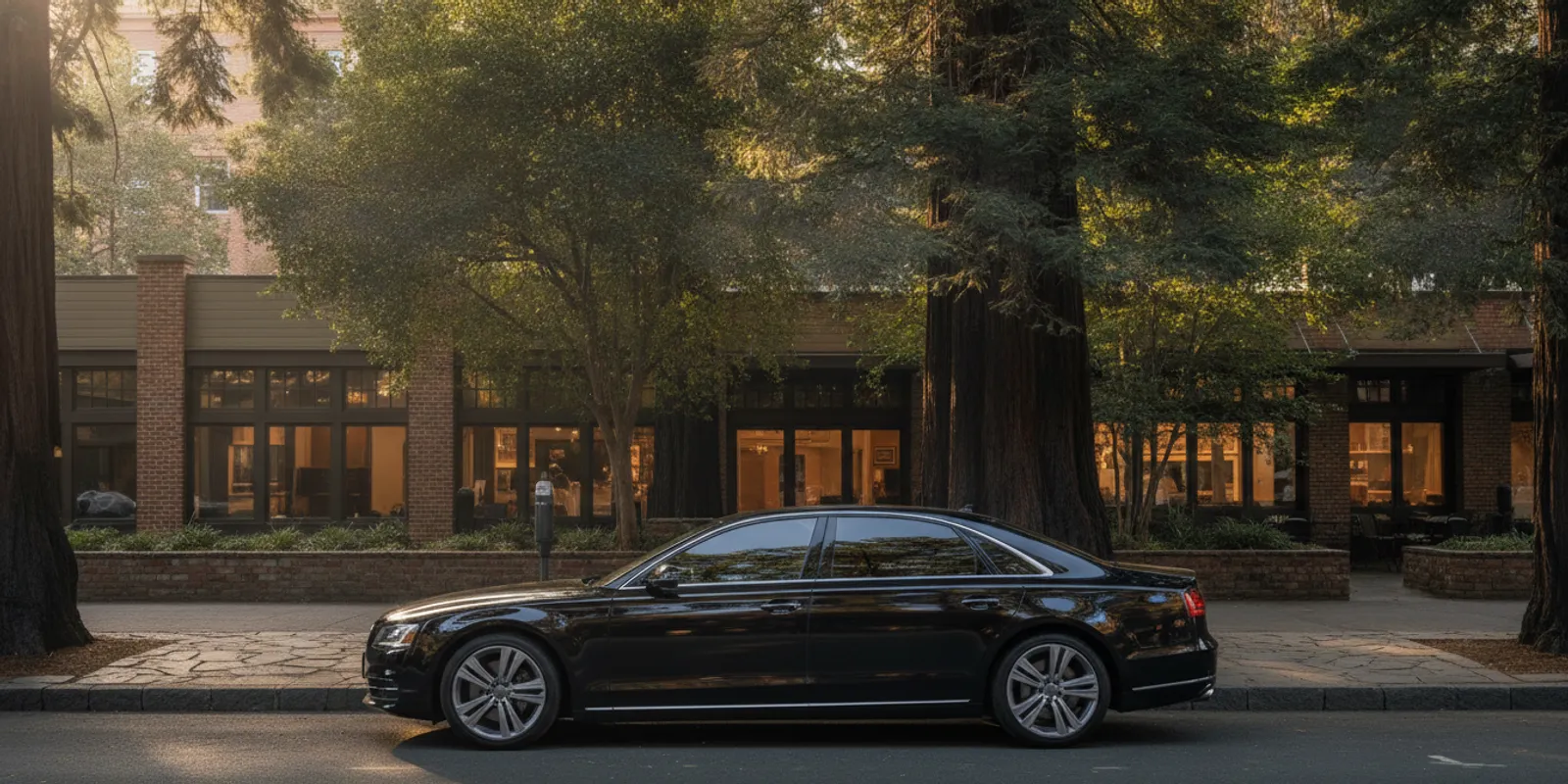
A black luxury sedan waiting along a tree-lined Redwood City street

What should you decide before booking a Redwood City limo?

Set the purpose, passenger count, itinerary, and timing before comparing vehicles or quotes. A short point-to-point ride has different needs from a wedding schedule, airport pickup, or evening with several stops.

Write down the practical details first: where everyone starts, where the ride ends, whether there are intermediate stops, and when the vehicle needs to be ready. Include any fixed appointment, flight, ceremony, dinner reservation, or event start time. If the plan has several destinations, list them in order rather than describing the route loosely.

Redwood City trips can connect to the Peninsula, San Francisco, the East Bay, or the South Bay. For an airport ride, identify the airport—SFO vs OAK vs SJC—and the terminal or pickup instructions that apply. For local travel, a precise building entrance, hotel driveway, venue gate, or corner is more useful than a general neighborhood name.

  • Trip purpose and date
  • Pickup and drop-off addresses
  • Passenger count, including children where relevant
  • Number and approximate size of bags or event items
  • All planned stops and the time needed at each
  • Whether you need a one-way ride, return pickup, or vehicle by the hour
  • A contact person who can answer questions on the travel day

Use the service overview to consider the kind of transportation you need, and review the vehicle fleet page as a starting point for discussing options. Vehicle types and availability vary by date, so ask the provider to confirm what can be assigned to your trip.

How do you choose the right vehicle size?

Choose based on comfortable usable space, not just the number of seats. Passengers, luggage, mobility needs, and the purpose of the ride all affect which vehicle is a practical fit.

Count every rider and describe what will travel with them. Airport passengers may have rolling suitcases, while wedding parties may carry garment bags, bouquets, or other items. A group heading to a game or celebration may need room for equipment or personal bags. A vehicle that technically seats the group can still be a poor choice if the luggage takes up passenger space.

Epic Limousine’s vehicle range spans sedans through motor coaches, with capacities across the fleet from 3 to 56 passengers. That range does not mean every vehicle is available for every date or route. Share your headcount and baggage needs, then ask which suitable vehicle is actually available and how capacity is configured.

Trip type What to compare Questions to confirm
Solo or small-party airport ride Passenger comfort and luggage space How many bags fit with the riders?
Executive transfer Passenger count, arrival timing, and privacy needs Where will the chauffeur meet the traveler?
Wedding party Group size, formalwear, stops, and schedule Can the vehicle follow the planned sequence of pickups?
Night out or group occasion Rider count, pickup sequence, and return plan Is the ride point-to-point or reserved for a period?
Larger group Actual passenger and bag capacity Which vehicle is confirmed for this date and itinerary?

Ask the provider to explain any capacity recommendation in the context of your specific party. If your group is near a vehicle’s stated passenger limit, discuss whether a larger vehicle or more than one vehicle would offer a more workable arrangement. Do not assume that a particular vehicle model, amenity, or configuration is included unless it is confirmed for your booking.

For a larger group, Epic’s motor coach and group booking page is a relevant place to start. A charter bus guide can also help you think through the difference between a small vehicle and group transportation.

How should you plan an airport pickup from Redwood City?

Build an airport transfer around the flight, the arrival terminal, and clear instructions for meeting the driver. A good plan accounts for flight updates, baggage collection, passenger communication, and the time needed to leave the airport.

When arranging a drop-off, provide the airline and terminal if known, the flight departure time, and the time you want to reach the airport. Work backward from the flight rather than assuming the drive will take the same amount of time at every hour. Share any check-in or group coordination needs, and leave a buffer for traffic, construction, or delays at the pickup point.

For an arrival, give the airline, flight number, scheduled landing time, airport, and passenger’s mobile contact. Confirm how the pickup will work: whether the driver will meet the traveler at a designated location, how the traveler should communicate after landing, and what happens if the flight is delayed. Avoid relying on an ambiguous instruction such as “meet outside.” Specify the terminal, level, door, or approved meeting point once the arrangements are confirmed.

Redwood City travelers may compare SFO, OAK, and SJC based on airline, destination, travel time, and the rest of the itinerary. If your trip involves Oakland, see the Oakland airport transportation page for a related service example. The airport pickup planning page offers another reference for coordinating a home pickup.

Leave room in the schedule for the parts of airport travel that happen outside the drive. A group may take longer to gather bags and reach a meeting point than one traveler. If you are coordinating several passengers, choose one person to communicate with the chauffeur and share the meeting instructions with everyone before departure. This helps avoid multiple people searching for different pickup spots.

What details matter for executive travel?

For executive transportation, clarity and timing matter as much as the ride itself. Confirm who is traveling, where the chauffeur should arrive, whether there are multiple appointments, and who can make schedule changes.

Business itineraries often change. Send a complete schedule with office, hotel, conference, or airport stops, plus the expected time at each destination. If a meeting may run long, ask in advance how additional waiting or revised timing is handled. Avoid leaving the driver to infer whether the next stop is still part of the booking.

For a pickup at a large office or hotel, identify the correct entrance and provide the traveler’s name or party description as agreed. Give the traveler a direct contact method and the confirmed vehicle or meeting instructions. When an assistant or event organizer is booking on behalf of a guest, make sure both people know who will receive timing updates.

Companies arranging rides for several guests should centralize the itinerary and designate a coordinator. For a meeting or conference with multiple arrival waves, consider whether separate pickups or a scheduled group transfer better match the agenda. Epic’s corporate event transportation guide and conference shuttle planning guide cover related group-planning questions. For provider selection, use the corporate chauffeur service guide to shape your questions.

How can couples plan wedding transportation?

Wedding transportation works best when the ride schedule follows the event schedule. List each pickup, venue, photo stop, and final drop-off, and confirm how long the vehicle is needed at each stage.

Begin with the people who need transportation and the moments they must reach on time. The couple, wedding party, family members, and guests may have separate routes or start times. Decide whether one vehicle will make several pickups, whether a shuttle should move guests between locations, or whether separate rides are simpler. Include the ceremony start, photo schedule, reception timing, and any venue rules for loading or staging.

For every pickup, provide a precise address and an on-site contact. Check that the vehicle can access the driveway or loading zone and that there is a safe place to wait. If the itinerary includes a narrow timing window, plan a backup contact who can relay a change. Make sure the person managing the event knows whether the booking covers a fixed route or a reserved time period.

Use Epic’s wedding transportation page to review a related service, and see its wedding party vehicle planning guide for questions to discuss. If guest movement between venues is the main issue, the wedding shuttle guide may help you compare a shuttle-style plan with individual rides.

What should you consider for nightlife and group occasions?

Plan a group outing around the full evening, not only the first pickup. Confirm the route, number of stops, return plan, and the point person responsible for keeping the group together.

For dinner, a concert, a celebration, or a night out, choose the pickup and drop-off points before the event. If riders will join at different locations, list each stop and its expected time. Ask whether the booking is point-to-point or includes the vehicle for a set period, and clarify how a late finish or extra stop would be handled. Do not assume the driver can wait indefinitely or that an itinerary change is automatically included.

Agree on a return location and a reasonable time for the group to assemble. Give passengers one set of instructions, including the contact person and what to do if they leave the venue separately. A group organizer should also consider accessibility needs, children or older guests, and any venue restrictions on where vehicles may load.

Explore the special events transportation overview for occasion-related options. For an event built around a larger party, the party bus group-planning guide and party bus pricing guide can help you identify the details to ask about; confirm that the service and vehicle fit your Redwood City itinerary.

How do you compare wait time and service details?

Compare quotes by matching the same itinerary and asking what the service includes. The lowest-looking number may not describe the same hours, stops, waiting arrangements, or vehicle as another quote.

Request written clarification on the scheduled pickup time, service duration, route, stops, and any planned waiting. Ask how the provider defines the start and end of the reserved period, how flight delays are handled, and what process applies if your schedule changes. Confirm whether parking, tolls, extra time, or other trip-related charges are included or billed separately; do not assume either way without an answer.

Local traffic and access conditions also deserve attention. California’s Office of Traffic Safety publishes a Redwood City collision-ranking page with categories for local collision data. It is not a route forecast, but it is a reminder to plan a sensible time buffer and let the transportation provider advise on pickup timing for your specific date and itinerary.

Use a like-for-like checklist when you compare options:

  • Vehicle type and passenger capacity confirmed for your date
  • Passenger and luggage assumptions stated clearly
  • Pickup, stops, destination, and service period listed
  • Airport meeting procedure or event loading location explained
  • Wait-time and delay arrangements described
  • Included charges and possible additional charges identified
  • Change and cancellation terms provided in writing
  • Day-of-trip contact and communication method confirmed

Epic uses quote-based customized pricing, so share the same information with the provider that you use to evaluate any transportation proposal. You can also read the company’s customer reviews for additional context when comparing service providers. Reviews are not a substitute for confirming the specific vehicle and terms for your date.

What should you include when requesting a quote?

A useful quote request gives the provider enough detail to assess the vehicle and schedule. Send a complete itinerary and identify which details are firm and which may change.

Include the date, passenger count, pickup and drop-off addresses, all stops, approximate luggage, and the times you need the vehicle. For an airport trip, add flight information and the airport meeting plan you prefer. For a wedding or group occasion, name the coordinator and share the venue schedule. If you are still deciding between vehicle types, explain the trip and ask which available options could fit rather than requesting an unconfirmed model.

Before accepting a proposal, check that the written details reflect what you requested. Ask follow-up questions about vehicle availability, total service time, waiting, extra stops, charges, and schedule changes. Keep the confirmation accessible to the person traveling and the person coordinating the ride.

Request a Quote with your date, passenger count, and full Redwood City itinerary.

Frequently asked questions

These quick answers cover common Redwood City limo-planning questions. Confirm vehicle availability, exact pickup arrangements, and booking terms directly for your trip.

Can I book a limo from Redwood City to SFO, OAK, or SJC?

Share your chosen airport, flight details, pickup address, passenger count, and luggage needs when requesting a quote. Confirm the airport pickup or drop-off procedure and the time buffer that fits your flight and travel date.

How far in advance should I reserve?

Timing depends on the date, vehicle, and itinerary, so there is no single lead time that guarantees availability. Contact the provider as soon as your schedule is taking shape, especially when the ride is tied to a wedding, event, or fixed flight.

What if my group has several stops?

List every stop in order with its address and approximate arrival or departure time. Ask whether your reservation is point-to-point or covers a period of time, and confirm how a changed route or additional stop would affect the plan.

Can a large group travel together?

Epic Limousine’s fleet spans vehicles with capacities from 3 to 56 passengers, but the right option and its availability depend on the date and trip. Provide an accurate headcount and luggage estimate, then have the provider confirm the vehicle or vehicles for your booking.

How is waiting time handled?

Ask the provider to explain when the reserved time begins and ends and how waiting is treated for your trip. For airport arrivals, confirm the delay procedure; for events, specify how long the vehicle may need to remain available.

What should I do if the itinerary changes?

Contact the provider using the confirmed day-of-trip contact method as soon as plans change. Ask in advance how changes to timing, stops, or destinations are handled, and share updated instructions with every passenger or event coordinator.

Plan your Redwood City ride

A smoother ride starts with a clear itinerary, a realistic passenger and luggage count, and written agreement on pickup, waiting, and service details. Share those basics when you request a quote so the proposed transportation can be matched to your actual trip.

Request a Quote for your Redwood City airport transfer, executive ride, wedding, or group occasion.

With the details confirmed ahead of time, you can focus on the purpose of your trip instead of sorting out the ride at the curb.

How to Choose Student Transportation for a Multi-Day Trip

To choose student transportation for a multi-day trip, start with the itinerary, passenger count, supervision plan, and luggage—not just the vehicle name. Compare the full arrangement, including daily pickup points, travel hours, overnight plans, and communication. Then request a written quote using the same trip details for every provider.

Request a Quote or call (415) 799-2744 to discuss your group’s trip.

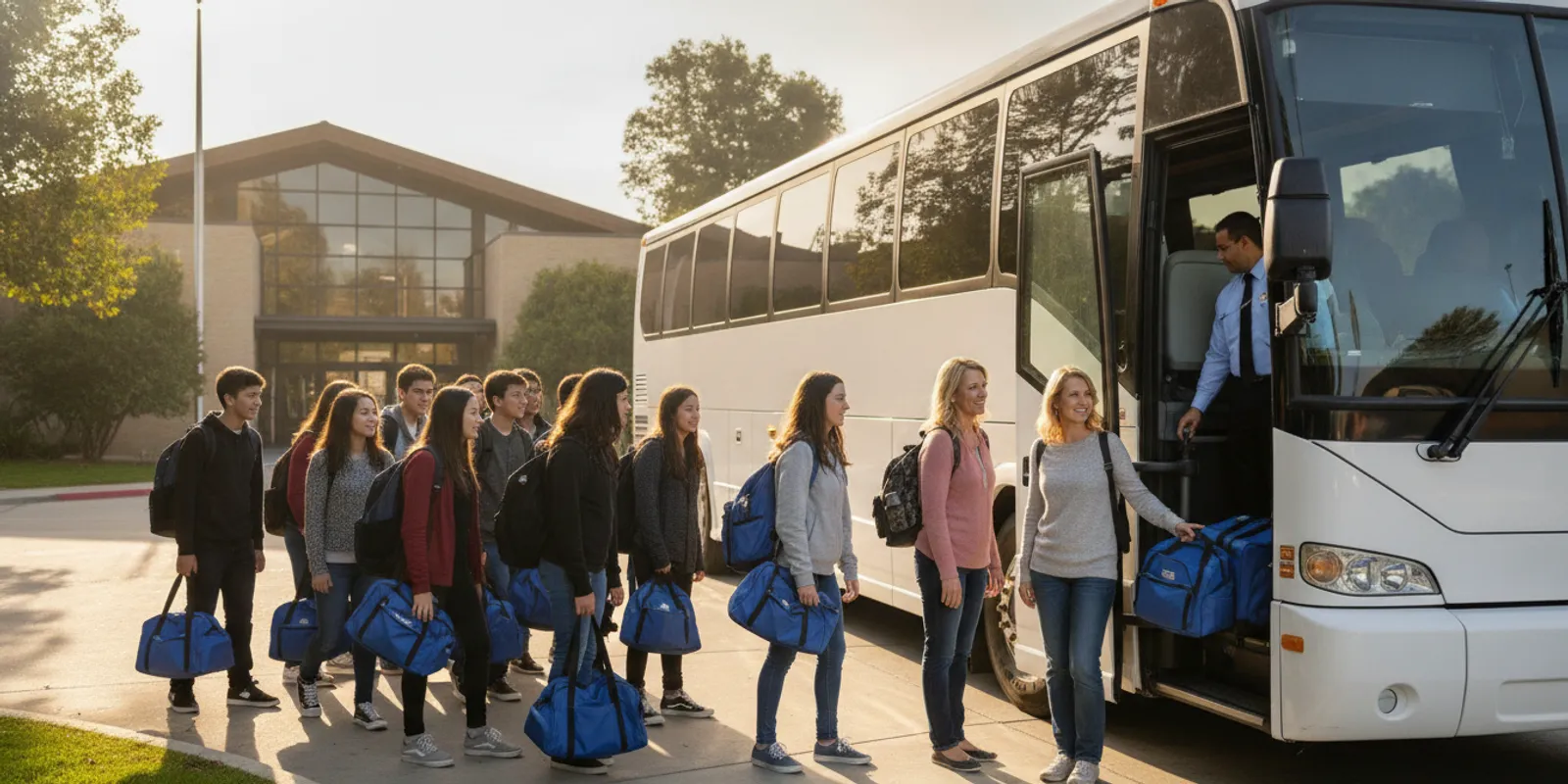
Students boarding a charter bus with their teachers for a multi-day group trip

What should you decide before comparing transportation?

Write down the trip’s non-negotiable details before asking about vehicles. A clear outline makes it easier to compare providers on the same basis and catch missing pieces early.

For a school group, first confirm who is responsible for students, who can approve changes, and how adults will communicate during travel. Transportation supports the plan; it does not replace the school’s supervision and permission procedures. Follow school policies and confirm applicable requirements with the appropriate administrators. Separate decisions into what the school must determine and what the provider must confirm, so neither side assumes the other has handled a detail.

  • Passenger count: Estimate students, teachers, chaperones, and any other riders. Include a reasonable plan for late additions or absences, and indicate whether the count is firm or preliminary.
  • Trip dates and daily schedule: List departure and return dates, planned arrival times, activities, and time-sensitive reservations. Note when the group needs service each day.
  • Every stop: Note the starting location, destinations, meal or rest stops, hotel, and separate pickup or drop-off points. Exact addresses or clear meeting locations are more useful than place names alone.
  • Luggage and equipment: Estimate bags, instruments, sports gear, project materials, and other items that take up space. Distinguish items carried by each rider from shared equipment.
  • Accessibility and rider needs: Identify needs that affect boarding, seating, or the trip plan, and discuss them with the provider before choosing a vehicle.
  • Decision-makers: Name the school contact who can answer questions, share approved updates, and authorize itinerary changes.
  • Trip priorities: Mark the details that cannot change, such as an event start time, and those with flexibility, such as a meal stop or departure window.

These details create a useful starting point for comparing a school field trip bus plan with a broader charter arrangement. If this is your first charter, Epic’s charter bus overview and charter bus rental guide explain common planning considerations. A good initial brief can be a one-page document with dates, headcount, locations, and a contact person; add detailed daily timing as soon as it is available.

How do you match the vehicle to the group?

Choose a vehicle that fits the actual passenger load, baggage, route, and comfort needs across every travel day. The best fit is not automatically the largest vehicle or the one with the highest listed passenger capacity.

Ask how the provider will account for students, adults, personal bags, and shared equipment together. A vehicle that fits riders on paper may feel crowded when the group brings luggage for several days. Conversely, an oversized option may not be necessary for a smaller group. Have the provider recommend a fit based on your complete passenger and baggage estimate, including what must remain accessible during the ride.

Consider the difference between a seat count and a practical fit. For example, a group of students traveling with overnight bags, adult chaperones, and sports equipment needs a different conversation than the same number of riders carrying only daypacks. Tell the provider whether equipment is bulky, fragile, or needed at a particular stop. Ask whether the proposed configuration can accommodate it without blocking seats or aisles. Do not infer usable storage from a vehicle name or a capacity number alone.

Option to compare May fit when Questions to ask
School bus The route and trip needs suit a straightforward student ride. Does the proposed vehicle and service cover the full itinerary, including multiple days and equipment?
Charter bus or motor coach The group needs coordinated travel between several locations or wants one vehicle plan for the group. What is the usable passenger and luggage capacity for this exact trip?
More than one vehicle The passenger count, schedule, pickup locations, or separate activities call for divided groups. How will vehicles stay coordinated, and who will communicate schedule changes?

This table is a screening tool, not a substitute for a trip-specific recommendation. Compare a school bus and charter bus against your route and baggage needs, then consider a motor coach option if the group needs a coach-style vehicle. For athletic trips, review sports team bus planning as a relevant example.

When a group is close to a vehicle’s stated capacity, ask the provider to explain how the final rider count, adults, and belongings affect the recommendation. If a second vehicle is proposed, clarify whether the school can keep related students together, how chaperones will be distributed, and whether the vehicles follow the same schedule. These practical questions help the school evaluate the complete arrangement rather than compare labels.

How should you plan routes and daily schedules?

Build one complete itinerary that shows where the vehicle is needed each day, not just the first departure and final return. Share realistic timing and every stop so the provider can assess the proposed service accurately.

For a multi-day trip, small schedule gaps can create confusion. State whether the group needs transportation between the hotel and activities, whether the vehicle waits or returns later, and when the vehicle is no longer needed for the day. Do not assume the vehicle or driver remains assigned between scheduled portions unless that has been agreed. Write down the plan for each day separately, even if two days appear nearly identical.

  1. Set the school departure time and the time students should be ready to board. Distinguish the arrival time for the vehicle from the time the group expects to depart.
  2. List destinations in order, with addresses or precise meeting points where available. Add a contact or landmark if a large site has several entrances.
  3. Allow for loading, unloading, meals, rest stops, and transitions between activities. A schedule with no transition time can be difficult to follow if a group takes longer to gather.
  4. Show hotel check-in and check-out windows and the timing for each day’s first pickup. Include any luggage loading or room checkout constraints.
  5. Identify separate routes, staggered activities, or riders who will join or leave the group. Explain whether the main group must stay together.
  6. Mark schedule items that are fixed, such as an event start time, and those with flexibility. This gives the provider context when reviewing the route sequence.
  7. Choose one school contact to share approved changes with the transportation provider. Keep a current copy of the itinerary with that contact.

Then check the itinerary from the rider’s perspective. Is the pickup place easy to find? Does each day show the correct hotel or activity destination? Is there a clear point at which attendance is checked? Are meal and rest breaks located in the right part of the day? This simple review catches errors that can hide in a list of addresses.

Schools planning a Bay Area route can use location-specific examples such as San Mateo charter planning, Santa Clara group transportation, or Palo Alto charter travel to think through pickup and destination details. If the trip includes several destinations, the group transportation itinerary guide offers another planning reference.

What should you confirm about supervision and communication?

Keep student supervision, transportation operations, and family communication clearly assigned. The school or trip organizer should establish its chaperone plan and confirm how trip contacts will coordinate with the provider.

Transportation access can affect whether students can reach educational opportunities; the Urban Institute’s discussion of student transportation and educational access provides context on that connection. For a particular trip, the practical next step is to define the people and procedures responsible for the group rather than assume a vehicle plan answers every supervision question.

Before confirming, agree on these communication basics:

  • Which adult is the primary point of contact before and during each travel day?
  • Who can approve a route, timing, or stop change, and how will approval be communicated?
  • How will students learn the pickup location and what to do if they become separated from the group?
  • How will the school check attendance before boarding and after each major stop?
  • What is the process for communicating delays to school staff and families?
  • Which needs or accommodations must be discussed with the transportation provider in advance?
  • What should the group do if an itinerary change affects the next day’s pickup?

Make the plan usable, not just complete. Give chaperones the same current schedule and contact instructions, and identify who will keep the roster. Decide in advance how the organizer will account for students after a stop and before the group departs again. If a student’s pickup or release arrangement differs from the main group, handle it under school procedures and ensure the authorized adults know the plan.

Keep emergency and student information within the school’s established procedures. Share with the transportation provider only the trip details needed to deliver the agreed service, and clarify the appropriate channel for any sensitive coordination. If the school changes a pickup point or timing, send the revised details to the named provider contact and make sure the trip team is using the updated version.

How do you handle luggage, hotels, and overnight logistics?

Plan luggage and vehicle service for each travel day, and confirm in writing what is included between days. A multi-day booking does not by itself explain where the vehicle or driver will be between scheduled trips.

Make a simple day-by-day table for the organizer with the first pickup, last drop-off, hotel location, and next day’s departure. Ask whether the arrangement is continuous service, scheduled transfers, or another plan. Confirm the expected vehicle availability at each point and who to contact if hotel timing or the itinerary changes.

Also count the bags and shared items, not only the students. Give the provider a realistic estimate and ask how available storage will work for the group. Avoid promising students a specific storage arrangement until the provider has confirmed it. If the group needs to keep items with it during activities, add that requirement to the itinerary discussion. A useful packing estimate separates overnight bags, daypacks, and shared team or classroom equipment so the provider can consider each category.

Clarify the handoff at the hotel. Who will tell the group where and when to meet the vehicle in the morning? Will all riders use one entrance or more than one pickup point? Does the departure depend on a hotel checkout window or a scheduled activity? The organizer should also know whether the vehicle is expected to stay available during a hotel interval or return at a later agreed time. Put the agreed service windows in the quote or booking confirmation.

For a trip with several groups, compare the plan with the guidance on large-group transportation planning. If your school is arranging a day-trip format, the school trip bus booking guide can help you prepare the request; for an athletics itinerary, see the coach bus arrangements for a team.

How can you compare quotes fairly?

Give every provider the same itinerary and ask each to spell out what its quote covers. Comparing identical trip details helps distinguish a complete plan from a lower figure that may leave an important service element unclear.

Ask for a written response covering the dates, passenger estimate, vehicle recommendation, daily service windows, pickup locations, stops, luggage assumptions, and separate transfer needs. Request clarification for anything that is not stated, rather than assuming it is included. Total price depends on trip specifics, so use the actual proposals rather than a generic estimate for comparison.

  • Are all service dates and daily pickup and drop-off times included?
  • Does the proposal list every destination, stop, and requested transfer?
  • What passenger and luggage assumptions were used for the vehicle recommendation?
  • Are overnight periods or gaps between scheduled service explained?
  • Are additional charges, if any, identified with the conditions that may trigger them?
  • What is the process for changing the itinerary after booking?
  • What deposit, payment schedule, or cancellation terms apply?
  • Who is the trip contact for questions before departure?

For a more consistent review, place each proposal beside the same itinerary and check the same items in the same order. First verify that the dates and service periods match. Next compare vehicle fit and luggage assumptions. Then review what happens during breaks between service blocks, overnight, and if plans change. Finally, check payment and cancellation terms. If a detail is missing from one quote, ask for clarification instead of treating silence as agreement.

Epic Limousine uses a quote-based approach, so send complete details rather than relying on a vehicle name alone. Read its charter bus cost guide and motor coach pricing guide for cost-planning context. For a group booking, review the motor coach group booking page when preparing your request.

Once you have selected a proposal, confirm the final passenger estimate, approved itinerary, pickup instructions, contact process, and any outstanding questions in writing. Keep the confirmation with the trip organizer’s materials and share the appropriate logistics with chaperones. A final review is useful even if the schedule has not changed: it gives everyone one agreed reference before departure.

Request a Quote or call (415) 799-2744 to discuss the itinerary.

Frequently asked questions

These answers cover common questions to resolve before choosing transportation for students on an overnight or multi-day trip.

How early should a school request transportation?

Start once the dates, approximate group size, and main itinerary are known. The organizer can refine details as plans firm up, but early outreach leaves more time to confirm vehicle fit, daily service, and special requirements. Ask the provider when it needs final passenger and schedule information, and share updates as they are approved.

Should we choose a school bus or a charter bus?

Choose based on the trip’s route, passenger and luggage needs, daily schedule, and the service each provider can confirm. Compare complete proposals rather than relying only on vehicle labels. A school bus may suit one plan, while a charter arrangement may better match another group’s itinerary.

Does one booking automatically include transportation between every activity?

No. Ask the provider to list each service period, pickup, destination, and transfer in the written proposal. Confirm how the vehicle is handled during gaps, overnight stays, and days when the group has no scheduled ride.

What information should we have before asking for a quote?

Prepare trip dates, estimated numbers of students and adults, pickup and destination addresses, day-by-day timing, planned stops, hotel details, luggage estimate, and accessibility or equipment needs. Identify the person authorized to answer questions and approve changes.

Who supervises students during transportation?

The school or trip organizer should establish its supervision plan and follow its own policies. Confirm adult assignments, the attendance process, communication method, and escalation contacts before travel. Do not treat a transportation booking as a substitute for those decisions.

Can the itinerary change after we request a quote?

Ask the provider how it handles changes and whether an adjustment can affect the service plan or quote. Share approved changes through the named trip contact and get material updates confirmed in writing so the school and transportation provider are working from the same itinerary.

Request a quote for your student group’s trip

A useful quote starts with a clear, day-by-day plan and an honest estimate of the group’s needs. Epic Limousine provides Bay Area ground transportation options, including group travel; contact the team with your dates, itinerary, passenger count, and luggage estimate to discuss the trip.

Request a Quote or call (415) 799-2744.

With those details confirmed, your school can compare proposals on the same terms and select an arrangement that fits the group and the complete itinerary.

Party Bus Santa Clara: Celebration Transportation Guide

A party bus in Santa Clara can make a birthday, prom, wedding, concert, or game-day outing easier to coordinate by keeping the group together between stops. Choose a vehicle around your real passenger count, set pickup and return times before booking, and share one clear itinerary with everyone. The best plan fits the celebration without rushing the people in it.

Request a Quote for your Santa Clara celebration, or call (415) 799-2744.

A group boarding a modern party bus for a Santa Clara celebration

Start with the celebration, not the bus

Begin with the shape of the event: how many guests are traveling, where they need to go, and whether the ride is continuous or includes several stops. Those details help determine whether a party bus is a useful fit or whether another vehicle and schedule would work better.

For a birthday dinner, the group may need a pickup, a dinner stop, and a planned return. Prom groups may need several household pickups and a firm arrival time. A wedding itinerary can involve moving guests between a hotel, ceremony, and reception. Concerts and sporting events usually require more attention to arrival windows, post-event meeting points, and traffic near the venue. A party bus is one option for a celebration where the ride itself is part of the group experience; the route and timing still need to suit the event.

Write down the event date, passenger estimate, start and finish locations, planned stops, and the time the group must arrive. For a broader look at available vehicles, review the Epic Limousine fleet. For celebration-specific ideas, see the East Bay party bus planning guide and the party bus rental cost guide.

Match the ride plan to the kind of celebration

The occasion changes what matters most: a birthday may need flexible stops, while a wedding often depends on fixed arrival windows. Decide whether guests need transportation for the full event or only between specific locations before comparing vehicle choices.

For birthdays, ask the host to settle the guest count and destination list first. A dinner reservation, a show, and a return home can each have different timing needs. Allow enough time for the group to board at each stop, and do not plan an itinerary so tightly that one delay disrupts the entire evening. If guests will join or leave at different points, clarify that before requesting a quote.

A practical birthday plan might set a single pickup, allow time to board, travel to dinner, and then include one later destination before the return. Put the reservation time and the expected time at each stop in the itinerary. If the group has several possible destinations, choose the main plan first and identify only one backup; deciding on each stop while traveling can make it harder to keep everyone together and stay within the agreed schedule.

For proms and other school celebrations, organizers should establish who is supervising, which passengers are approved, and how families will receive schedule updates. A single designated pickup point can reduce confusion. Share arrival and return expectations with students and guardians, and make sure the plan follows school and event rules.

For wedding parties, transportation may be for the couple, the wedding party, or guests traveling between venues. Those are different passenger groups and can call for different schedules. Confirm whether the vehicle needs to wait, return later, or complete several timed runs. The person coordinating the ride should have current venue addresses and a direct way to reach the day-of event contact.

For concerts and sporting events, consider whether the group wants a direct ride or a multi-stop outing beforehand. Keep the plan focused on the ride and logistics; event admission, venue access, and parking rules are separate details to check with the event organizer. These decisions help make the requested itinerary clear and keep expectations realistic.

Which vehicle and itinerary fit your group?

The right choice depends on usable capacity, passenger comfort, and the route—not the vehicle’s biggest advertised number alone. Ask what vehicle is being proposed, how many passengers it is intended to carry, and whether luggage or event items will take up space.

Use this comparison as a planning framework rather than a promise about a particular vehicle. The available vehicle and capacity should be confirmed for your date and trip.

Celebration plan Typical movement What to confirm
Birthday or dinner outing One pickup, one or two stops, return Guest count, stop duration, late-evening return
Prom or formal Multiple pickups, scheduled arrival, return Pickup order, adult contacts, exact arrival and dismissal plans
Wedding celebration Hotel, ceremony, reception, final drop-off Guest list, venue timing, loading locations, separate return groups
Concert or sporting event Group pickup, venue-area drop-off, post-event collection Traffic buffer, legal loading point, meeting place after the event
Multi-stop celebration Several destinations across a set time period Stop sequence, time at each stop, route changes and added time

Vehicle fit is also about how people will use the space. A group with formal clothing may prefer fewer tight pickups and less time standing curbside. Guests bringing bags, gifts, or sports equipment may need room beyond the seat count. For larger groups or trips centered on getting everyone to a destination together, compare the itinerary with Epic’s motor coach group travel information or its charter bus guide.

Before settling on a vehicle, compare the actual passenger list with the planned boarding sequence. For example, a group of friends traveling together from one address has different loading needs from the same number of guests collected at several homes. Ask whether event items or personal bags affect available space, and confirm the passenger capacity and vehicle category for the requested date. If comfort or easier boarding is a priority, explain that when asking about options rather than choosing by capacity alone.

How do you make a Santa Clara pickup plan work?

A useful pickup plan names one location, one time, and one person responsible for helping the group board. When pickups are spread across multiple homes or hotels, order the stops to reduce backtracking and tell every passenger when the vehicle will arrive at their location.

Choose a safe, permitted place where the vehicle can stop without blocking traffic or a driveway. Do not assume a busy venue entrance can accommodate a group vehicle. Confirm the passenger loading location with the venue or property manager, then share a map pin and a written description with guests. If the exact curb changes on event day, designate one person to communicate the update.

  • Set a primary pickup point and a backup meeting point.
  • Give passengers a specific arrival time, earlier than the scheduled departure.
  • Identify who checks that the expected passengers have arrived.
  • Agree on where the group will meet after the event.
  • Build time for loading, traffic, and walking from the drop-off point.
  • Share the day-of contact method and plan for late arrivals.

For a route with multiple pickups, send each passenger a personal arrival window as well as the overall departure time. Ask guests to be ready before the vehicle is due, and have one organizer confirm attendance at each stop. This avoids treating the posted departure time as the time to begin looking for shoes, collecting bags, or walking out to the curb. If the route or pickup point changes, send one updated message to the whole group so earlier details do not remain in circulation.

For weddings, coordinate transportation details with the couple or planner and make sure guests know whether the ride is one-way, round-trip, or limited to set departure times. Epic’s wedding shuttle planning page and wedding party transportation guide offer related planning considerations. For a formal event with several passenger groups, a prom night transportation guide can help organizers think through pickup coordination.

What should you plan for concerts and game days?

For a concert or sporting event, agree on the arrival window and post-event meeting point before the group leaves. Event traffic and crowd movement can make the immediate venue entrance a poor place to wait, so confirm a practical loading location and allow time to reach it.

Check the venue’s current transportation, parking, and group drop-off instructions rather than relying on a past visit. Share the meeting point in writing, including a nearby landmark, and tell guests what to do if they cannot find the group. For events with a fixed end time, discuss whether the vehicle will wait, return at a set time, or make another planned pickup. Do not assume the schedule can shift without changing the trip details.

When a celebration includes dinner or another stop before the event, decide whether the group will travel together for the full itinerary or meet at the venue. A compact route with realistic dwell times is easier to follow than a long list of stops. You can use the event shuttle planning guide for additional group logistics, or compare the needs of a larger outing with the large-group bus rental guide.

How should you handle safety and responsible planning?

Good planning makes expectations clear before the celebration begins. Confirm the booked passenger capacity, pickup and drop-off arrangements, and the trip contact with the transportation provider; then make sure guests understand the itinerary and conduct expectations.

Assign a responsible organizer who can communicate with the chauffeur and account for the group at stops. For a school or youth event, coordinate with the school or event organizers about supervision, approved passengers, parent communications, and pickup procedures. For adult events, plan a responsible way for everyone to get home and keep the schedule and passenger count within the agreed arrangement.

For general information about federal motor-carrier safety oversight, consult the Federal Motor Carrier Safety Administration (FMCSA). Use this as background, and confirm the actual vehicle and trip arrangements directly with the transportation provider. Epic Limousine’s company information explains its background, and the customer reviews page provides a place to read published feedback. For group transport options, see the services overview.

When should you finalize the schedule?

Set the trip’s core schedule early, then confirm the final passenger and location details as the event approaches. A stable date, route outline, and estimated headcount help you ask useful availability and vehicle questions without waiting for every guest to respond.

Start by identifying any fixed deadlines: a ceremony start, dinner reservation, venue arrival window, or final return time. Work backward from those points to estimate departure and loading time. Add a reasonable buffer for traffic and boarding rather than planning to arrive at the last possible minute. The precise buffer depends on the route, date, and event conditions, so discuss your timing with the provider.

For example, if the group must be at a venue at a specific time, work backward from the arrival deadline: allow time to gather and board, account for the planned drive, and leave a cushion for conditions that could slow the trip. Treat each stop as time on the schedule, not as an instant transfer. This simple calculation can reveal that the itinerary needs an earlier start or fewer stops before the date is locked in.

As the event gets closer, send guests one current itinerary instead of several conflicting versions. State the pickup address, the time passengers should be ready, the estimated arrival, the return plan, and the organizer’s contact method. If the schedule changes, update everyone who needs the information. After confirming the booking, ask which changes require contacting the provider and avoid promising guests flexibility that has not been agreed.

What details should you include when requesting a quote?

A useful quote request describes the trip clearly enough for the provider to assess the vehicle and schedule. Include the date, passenger estimate, route, stop durations, and any timing constraints instead of asking only for a vehicle price.

  1. Event type and date, including whether the schedule is flexible.
  2. Estimated passenger count and any expected changes.
  3. Pickup address or meeting point and the desired departure time.
  4. Every planned stop, with the address or venue name and approximate dwell time.
  5. Final drop-off location and return timing.
  6. Any luggage, gifts, equipment, or passenger needs that affect vehicle fit.
  7. The organizer’s name and day-of contact information.

Ask how the quoted service handles schedule extensions, route changes, extra stops, and a delayed event end. Confirm what is included in the proposed service and what details could change the quote. Epic’s contact page is the place to send trip information; its reservation page provides another booking reference. For events where shuttle service rather than a party-bus atmosphere is the priority, review the event shuttle service information.

Request a Quote with your date, passenger count, stops, and timing.

Frequently asked questions

How far ahead should I request a party bus in Santa Clara?

Request a quote as soon as you know the date, approximate group size, and itinerary. Earlier planning gives you time to confirm availability, compare vehicle fit, coordinate passengers, and settle pickup details. Busy event dates may have fewer suitable options, so avoid waiting until every detail is final before making an inquiry.

Can the bus pick up guests at multiple addresses?

Ask about multiple pickups when requesting the quote. Provide each address and a realistic time window, because extra stops affect the route and schedule. If the pickup list is large, a central meeting point may be easier for guests and may simplify the trip plan.

Can we add a stop during the celebration?

List planned stops in advance and ask how a change on the day would be handled. Adding a stop can affect timing, routing, and the quoted service. Do not assume a driver can make an unplanned stop; agree on route changes through the appropriate booking contact.

What if our concert or game runs late?

Discuss the expected event end time and a backup plan before booking. Ask what options are available if the event runs beyond the scheduled service, and share the agreed meeting point with everyone. The terms and availability for extending a trip should be confirmed with the provider.

How do I know whether a party bus or another group vehicle is a better fit?

Match the vehicle to the passenger count, route, luggage, and purpose of the ride. If the priority is moving a larger group between locations, ask about other group vehicle options as well. Confirm actual vehicle availability and capacity for your date rather than relying only on a general description.

What should guests know before boarding?

Send the pickup time and exact location, the organizer’s contact details, the itinerary, and the post-event meeting point. Remind guests to arrive early enough to board on schedule and to contact the organizer promptly if plans change.

Plan your Santa Clara celebration ride

A well-planned party bus outing starts with a realistic passenger count, a route the group can follow, and clear expectations for pickup, return, and event-day communication. Gather those details before requesting a quote so you can compare the right options for your celebration.

Request a Quote to discuss your Santa Clara group itinerary, or call (415) 799-2744. Confirm your trip details and service arrangements before the event.