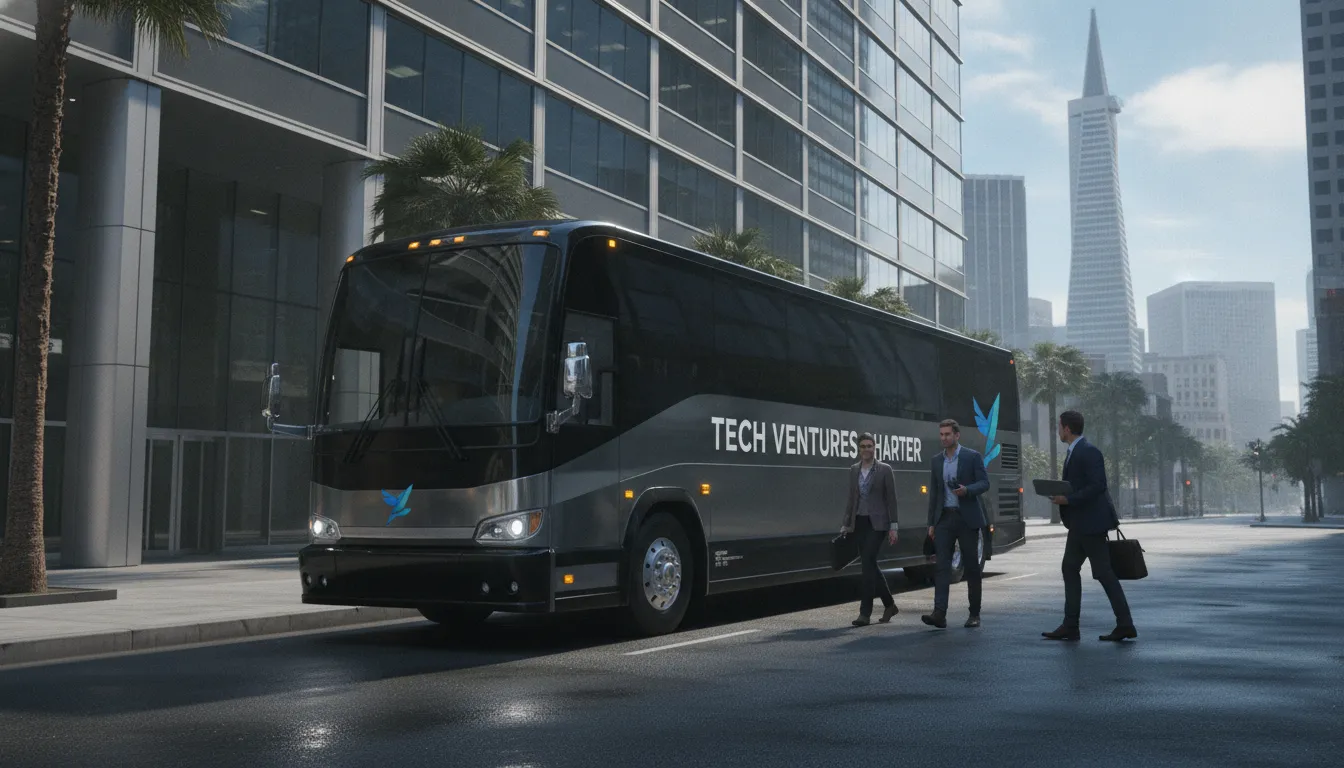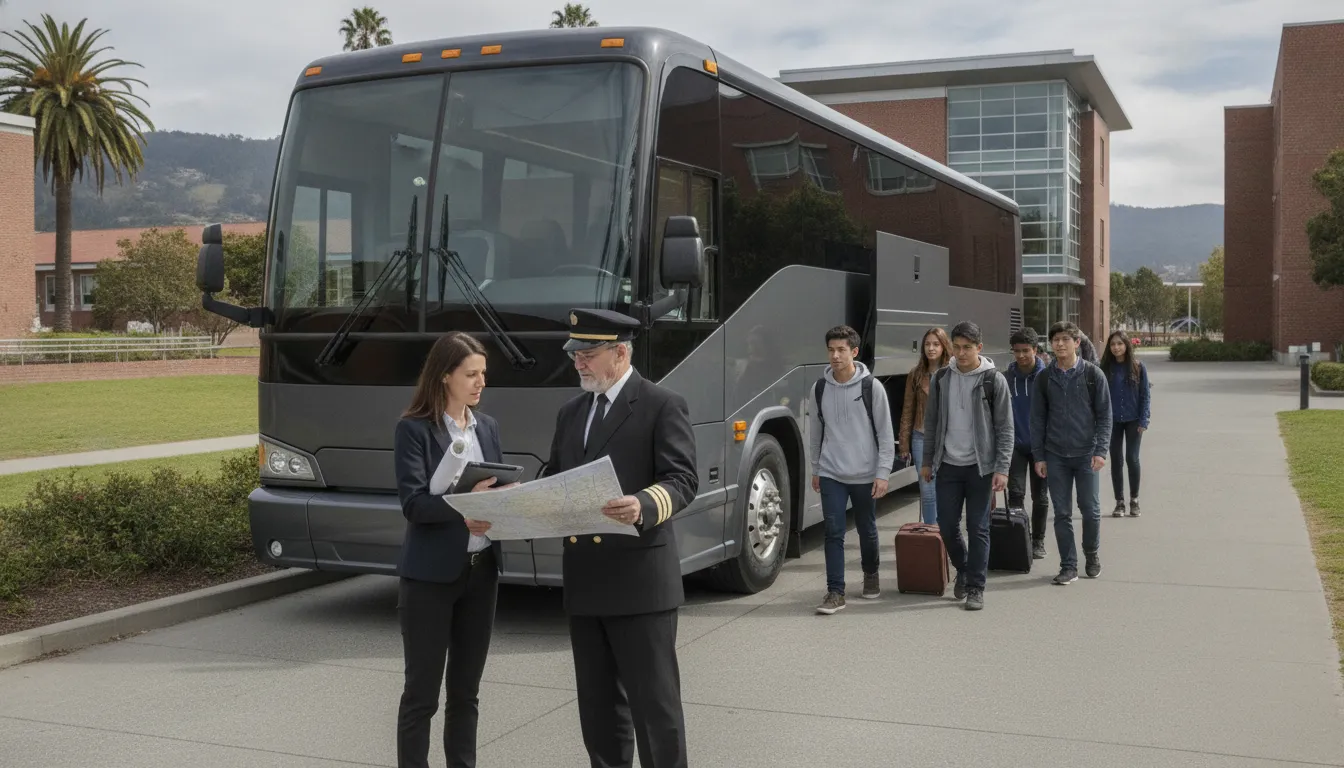
Splitting a corporate team into four separate rideshare cars at SFO creates unnecessary stress and delays. When groups travel together, they need one vehicle that fits every person and all their luggage comfortably. A single, dedicated shuttle ensures that your entire party stays on schedule. As a premier, family-owned transportation provider since 2012, Epic Limousine offers extensive Bay Area coverage, a flawless 4.9-star reputation, and a premium fleet operated by professional chauffeurs to guarantee a seamless airport transfer.
Planning an upcoming SFO group arrival or corporate transfer? Request a customized quote online or speak with our dispatch team at (415) 799-2744 to secure your premium shuttle service today.
A private airport shuttle san francisco is a dedicated transport service that moves groups from the airport to their final stop in one vehicle. Unlike rideshare apps that only have small cars, private group transportation options range from executive Sprinter vans for smaller groups to full-sized motor coaches accommodating up to 56 passengers along with all their luggage. Choosing a single vehicle keeps your party together and ensures everyone arrives at the same time. These services use professional chauffeurs who track your flight to adjust for any delays. According to industry data, larger groups face major hurdles when they try to use small cars for airport trips. A private shuttle fixes these problems by providing a reliable and pre-scheduled ride. This makes the trip to your hotel or event much easier for everyone involved.
Managing the move from the terminal to your final stop is the hardest part of group travel. Review these private airport shuttle benefits when comparing one-vehicle options. You must decide if you want to risk splitting your team or keep everyone in one safe place. We will now look at Why a Private Airport Shuttle in San Francisco is Essential for Groups. The path begins with
Private Airport Shuttle San Francisco: Why a Private Airport Shuttle in San Francisco is Essential for Groups
Traveling with a large party requires careful planning to avoid stress. When you land at SFO, the size of the airport can make it hard to keep everyone together. A private airport shuttle san francisco gives you the best way to manage your group. It ensures that your team or family stays in one vehicle from the curb to your next stop.
Solving Group Logistics Challenges
Groups of seven or more people often face big hurdles when using ride apps. These services have small cars and cannot carry all the bags for a large party. According to industry data, large parties find that app-based rides stop being useful very fast. Executive travelers can also compare an executive SFO airport transfer. This is a common problem when each person has several heavy bags to load.
A private shuttle gives you one large vehicle for your whole party. You do not have to split your group into many small cars. This keeps everyone on the same path and ensures you all arrive at the hotel at once. It also stops the risk of one car getting lost in city traffic while the others wait for them to arrive.
Safety and Team Unity
Keeping a group together is about more than just ease. It is also about safety. When you book a private group shuttle transport, you get a professional chauffeur who knows the SFO area well. This is safer than having many drivers who may not know the local roads or the best spots to drop off a large group.
Staying in one vehicle also helps your group talk and plan. Whether you are a work team or a family on a trip, the shared space is key. You can go over your plans, check on your bags, and rest in a cool cabin. This shared ride makes the start of your trip much better for everyone.
SFO Group Arrivals: How App-Based Rideshares Fail Large Parties
San Francisco International Airport (SFO) has strict rules for ride app pickups that can be hard for large groups. These apps often fail to meet the luggage and space needs of five or more people. When many travelers land at once, trying to find enough separate cars at the busy curb causes stress and long waits. This is why groups often compare airport limo service vs rideshare options. Choosing a door-to-door airport shuttle is a better way to keep your group together.
The problem with SFO curb rules
SFO has designated pickup zones for rideshare apps that are often far from the terminal exits. For a big group, these walks with heavy bags are tiring and take a lot of time. Ride apps also use surge pricing when many flights land, which can make costs spike for every car you book. These apps do not promise that cars will arrive at once, often leaving half your group waiting while others leave. SFO also has firm safety and security rules for curb traffic that make long waits for apps hard.
No more guesswork on travel day
Booking your ride in advance takes away the doubt that comes with apps. Based on industry data, pre-arranged shuttles remove the worry of curb pickup spots. You do not have to check your phone or hope a driver is near after a long flight. Instead, one vehicle waits for your whole party, so no one gets left behind. This coordination ensures your group travels together as one cohesive unit from the airport to your stop without any breaks in the trip.
Tracking flights to handle late arrivals
One major flaw with ride apps is that they cannot adapt to your landing time. If your flight is late, an app will not know, but a professional service stays updated. Many experts note that shuttle services track flights in real time to adjust for any delays. This means your driver will be there when you land, even if your plane is late by hours. You get a reliable ride that fits your plan, rather than one that relies on a driver being close at the right time.
Comparing Your Options: San Francisco Airport Private Shuttle vs. Public Transit and Taxis
When you land at San Francisco International Airport, you have several ways to reach your hotel or office. Most people choose between the train, a taxi, or a private ride. Each option has its own distinct advantages and drawbacks. Large groups must think about cost and ease of travel before they arrive. Travelers can also compare Oakland Airport limo service for Bay Area alternatives. Making a plan early can help you avoid stress and save money on your trip. For South Bay itineraries, review San Jose airport executive transfers.
Public Transit and Taxis for Group Travel
The Bay Area Rapid Transit train is a common pick for solo travelers. It is fast and does not get stuck in road traffic. But it can be hard for a big group to stay together on a busy train. You also have to carry all your bags through the station. Taxis and app rides are another choice. Most of these cars only have room for four people and a few bags. If you have ten people, you would need to book three different cars. This makes it hard to keep your group on the same schedule.
Public transit also stops at designated transit stations. This means you will still need to walk or call a car to reach your door. Stanford University shares that many people use a mix of shuttles and trains to get around the Bay Area. But for those with many bags, the train is often the hardest path.
Why Choose a Private Airport Shuttle
A private group shuttle transport keeps everyone in one ride. This is the safest way to travel with a large party. It also makes the trip much more fun because you can talk and plan your day. Private shuttles pick you up right at the SFO curb. They take you directly to your hotel or meeting place without any extra stops.
Cost is another big factor for groups. You might think a bus is costly, but that is not always true. For groups of 20 or more, booking one bus is often cheaper per person than taking many taxis. This makes a private airport shuttle san francisco a smart choice for budget planning. Rather than fluctuating on-demand rideshare pricing, private group shuttles utilize transparent, quote-based pricing. This means your rate is tailored to your specific itinerary, reflecting variables such as passenger count, vehicle size, travel date, and peak traffic hours, allowing you to plan your budget with complete confidence.
Finding the Right Fit for Your Trip
Think about how much help you need with your bags. Shuttles have large bays for storage. You do not have to worry about fitting suitcases in a small trunk. If you have kids or older guests, a door-to-door ride is much easier than walking through a train station. Use the table below to see how these choices compare for group trips.
| Travel Option | Group Togetherness | Luggage Space | Total Cost for Groups | Service Type |
|---|---|---|---|---|
| Private Shuttle. | High (One ride) | Abundant | Low per person | Door-to-door |
| Taxis or Apps. | Low (Split cars) | Very limited | High (Many cars) | Door-to-door |
| Public Transit. | Medium | Minimal | Per-passenger fare | Station-to-station |
Choosing a shuttle removes the guesswork from your arrival. You will not have to wait in a long taxi line or look for your driver in a crowded lot. Instead, your ride will be ready as soon as you step out of the airport. This lets you start your San Francisco visit with peace of mind.
Step-by-Step Guide to Booking the Perfect Private Shuttle for Your SFO Group
Planning a trip to San Francisco with a large group starts with smooth travel from the airport. You need a reliable plan to get everyone from the terminal to the hotel without the stress of multiple cars. An airport shuttle bus service can simplify the route and luggage plan. Follow these steps to arrange your private airport shuttle san francisco for a seamless start to your visit.
Choose the right vehicle size
First, you must know your exact head count and how much gear each person will bring. Groups often need more space than they think, especially with large bags. Picking a single vehicle that fits everyone ensures your party stays together. For business needs, Corporate Bus Rentals & Charters offer the best mix of space and professional style. Dedicated corporate airport shuttle services can coordinate arrivals.
Schedule your pickup in advance
Do not wait until you land to find a ride. Booking your shuttle early removes the guesswork and wait times at the curb. Provide your flight number during the booking process so the service can track your arrival. Professional chauffeurs use flight tracking to adjust for delays, which keeps your pickup on time even if your flight is late.
Confirm your driver and meeting point
Once you book, you will receive a confirmation with clear meeting steps. Most group shuttles meet at a specific area of the SFO arrival level. You should also check for a text from your driver shortly after you land. This direct contact helps you find your vehicle fast in a busy airport. You can also view more transportation options in the Bay Area to see how private shuttles compare to other local services.
- Gather your travel details: List your total number of guests, luggage count, and arrival time.
- Select your vehicle type: Choose a van, mini-coach, or full bus based on your group size.
- Input your flight information: Share your airline and flight number for real-time tracking.
- Review the final quote: Check the total price for any fees or special stops.
- Receive your booking confirmation: Save the email and phone number for your chauffeur.
- Locate your driver at SFO: Follow the specific instructions to meet your shuttle at the terminal.
Is a Private Airport Shuttle Cheaper Than a Taxi for SFO Groups?
When you land at San Francisco International Airport (SFO) with a large group, costs can add up fast. You might think that calling a few taxis or using ride apps is the best path. But for many travelers, a private airport shuttle san francisco offers a much better deal. Choosing one vehicle for everyone often saves money and cuts down on stress at the same time.
Saving money with group rates
The main benefit of a shuttle is the cost per person. For groups of 20 people or more, booking one large bus is usually cheaper than each taxi or app ride. While a taxi might seem cheap for two people, the costs grow quickly when you need five or six cars. A single shuttle fee covers the whole party and keeps your budget in check from the start.
Many groups find that splitting the cost of a private van or bus is the best way to travel. This is why groups often look at airport travel options from local schools to find the best rates. By using a single vehicle, you avoid paying multiple base fees and bridge tolls. You also receive a customized, single-vehicle quote that remains consistent regardless of how many passengers ride within that vehicle’s capacity.
Avoiding the cost of many vehicles
Managing several taxis at a busy airport like SFO is a major chore. Each car has its own driver, its own route, and its own final bill. When you use Corporate Event Transportation, you remove these extra steps. One point of contact and one payment make the whole trip easier to track. You won’t have to worry about some of your team getting lost or arriving late to the hotel.
There are also hidden costs to splitting up your group into different cars. For example, some ride apps charge more when there is high demand at the airport. A pre-booked shuttle locks in your rate so you know exactly what you will pay before you land. This sure cost is vital for companies and large families who need to watch their spending.
The value of a single ride
Beyond the simple price, a private shuttle gives you more for your money. You get a professional driver who knows the Bay Area roads well. This person stays with your group and handles all the bags in one place. You also get to sit with your friends or coworkers, which makes the ride more fun and helpful. It turns a simple trip into a shared time that starts the moment you leave the airport.
At Epic Limousine, we pride ourselves on being a family-owned business. We take personal care of every group that walks through the SFO doors. Unlike big tech apps, we answer to you for your comfort and safety. We work hard to earn our high ratings by giving you the best service at a fair price. When you add up the savings and the peace of mind, a private shuttle is the clear winner for SFO group travel.
What Onboard Amenities Can SFO Private Shuttle Passengers Expect?
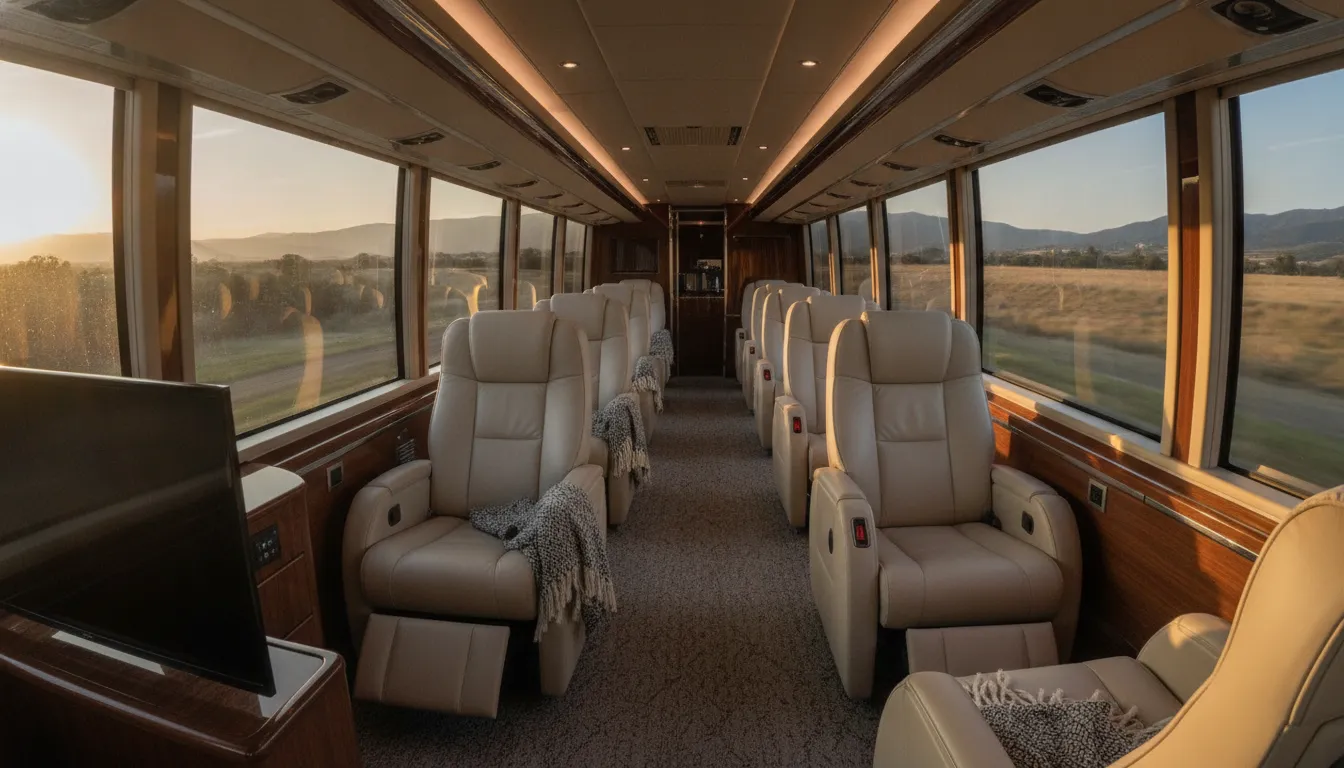
When you book a private airport shuttle in San Francisco, you choose more than a ride. You opt for a high-end trip built for group ease and safety. From cool air to expert care, these cars offer perks that cab or ride apps cannot match. Compare the Epic Limousine fleet for group-size options.
Ease and Links on the Road
Travelers often need to stay on the web or rest after a long flight. Modern private group shuttle transport units have tools to make your trip good. Many cars have fast Wi-Fi and air control to keep passengers comfortable on the drive from SFO. As noted by experts, onboard perks like Wi-Fi help make sure every guest stays happy and calm.
Large vans also give you lots of room for both passengers and bags. Unlike small cars, a private airport shuttle san francisco has its own spots for gear. This plan stops bags from taking up leg room, so you can sit back and enjoy the view. The cabin stays quiet and cool. This makes a soft space for work teams or kin to talk or sleep.
Focus on Group Safety and Care
Safety is the main goal for any professional transportation company. Each trip uses cars that have a license and full insurance. These cars meet tough state and local laws. These rules go far past the basic checks found in app-based rides. By picking a Corporate Bus Rentals & Charters firm, you make sure your group is with a team that cares for your well-being.
Professional chauffeurs lead every journey. These experienced drivers possess the localized expertise required to navigate heavy Bay Area traffic and complex airport layouts with ease. Using licensed cars and professional chauffeurs keeps your group safe at every turn. This care gives you peace of mind. You know a trained professional is in charge of your trip from the start.
Personal Paths and Swift Service
Private trips mean the plan is all about you. Dedicated dispatch teams track your flight in real time and fix the plan for any late planes. This help makes sure your van is ready when you land, no matter when you get in. You also get a driver who knows the best way to skip traffic. This helps you reach your hotel or desk on time.
You can also ask for special stops or unique paths. If you need a quick stop at a local site or a straight run to an office, the trip fits your needs. This kind touch is a sign of local firms who take pride in their work. It turns a simple ride into a smooth part of your Bay Area trip.
Frequently Asked Questions
How do I find my driver at the San Francisco International Airport?
When you arrive at SFO, your professional chauffeur will often meet you in the arrival hall. They will hold a sign with your name or group name to make them easy to find. This removes the need to search for a car at a crowded curb. As shown by GO Airport Shuttle, booking your ride early ensures a smooth meet-up. You will avoid the guesswork that often comes with ride apps.
What happens if my flight to SFO arrives later than scheduled?
Expert shuttle teams track your flight in real-time to adjust for any delays. You do not need to worry if your plane is late because your driver will see the new arrival time. As noted by LA Bus Service, this live tracking ensures your ride is ready when you land. This service helps groups avoid the stress of being stuck or paying for wait time after a long flight.
Are there hidden fees when booking a private airport shuttle?
Most premier shuttle companies provide a transparent, all-inclusive quote upon booking. This estimated quote typically accounts for the primary service, fuel surcharges, and standard airport fees. You should always ask if gratuity, bridge tolls, and parking costs are included in the initial quote to avoid extra bills. A charter bus rental guide can help you prepare vehicle questions. Good firms focus on clear pricing to build trust with their guests. This way is much better than the price spikes or extra costs found with other San Francisco transit choices. This predictability is far superior to the sudden price spikes or unexpected extra charges common with other San Francisco transit options, giving you complete peace of mind with a pre-arranged quote.
Can I change or cancel my group shuttle reservation?
Cancellation and modification policies vary by operator and vehicle size. While some private shuttle providers allow flexibility for minor schedule adjustments, larger vehicles like motor coaches typically require advance notice due to scheduling demands. It is essential to review the specific cancellation terms and reservation policies in your service agreement prior to confirming your booking. Clear rules help make sure you do not lose money due to sudden changes in your group travel plans or flight times.
Ready to book your private airport shuttle in San Francisco?
Experience a 5-Star Group SFO Transfer
Epic Limousine is a premier, family-owned service operating since 2012 with a 4.9-star reputation. Our expert chauffeurs and diverse premium fleet ensure a seamless journey.
If you wait until you land at SFO to find group travel, you will likely face long lines, high costs, and very high stress levels. You can easily avoid these common travel problems and save time for your team by booking your large shuttle before you arrive at the airport. Securing your reservation in advance ensures that a fully licensed, premium shuttle or charter coach is meticulously prepared and waiting for your group the moment you step off the terminal curb in San Francisco.
Ready to request a quote? Visit our contact page to book your private shuttle. Our team is here to help you today. We will make sure your group arrival at the airport is easy and smooth for every single person.