Irwan Tio

Best Wedding Transportation Options for Bay Area Guests

Successful Bay Area weddings depend on a solid plan for moving guests between city hotels and remote venues. Traffic delays and limited venue parking can disrupt the schedule, while an expert shuttle service keeps your wedding guests together and moving according to plan.

Request a wedding transportation quote from Epic Limousine or call 415-366-4440 to start planning your guest routes.

The best wedding transportation options for Bay Area guests include charter buses for large groups, minibuses or executive sprinters for flexible routes, and limousines or party buses for the wedding party. Match the vehicle to guest count, venue access, pickup locations, and the timeline.

Choosing the right vehicle for your guest list and venue is the first step toward a seamless wedding day. The guide below compares the main options and explains how to build a practical plan.

The best wedding transportation options for Bay Area guests

Choosing the right way for guests to get to your venue is a big part of wedding planning. In the San Francisco Bay Area, this means thinking about city hills, Napa Valley roads, and heavy traffic. Using large shared buses helps reduce total travel time for everyone by keeping more private cars off the road. Planning ahead is key to a smooth day for your family and friends.

Charter buses and shuttles for large groups

If you have many guests staying at one hotel, a charter bus is often the best choice. These large buses can hold up to 56 people, making them great for moving whole groups at once. They give a safe and easy way for guests to get from the hotel to the wedding and then to the party. Using reliable wedding guest shuttle services makes sure that no one gets lost or arrives late because of parking issues.

Charter buses also let guests enjoy the party without worrying about how they will get home. In the Bay Area, where venues can be far apart, a shuttle keeps everyone together and on time. This is mostly helpful for events in the wine country or the hills of San Francisco. Large buses often have air cooling and soft seats to help guests relax. Booking your professional wedding transportation services early is vital, as peak seasons can fill up quickly.

Luxury limousines and party buses for the wedding party

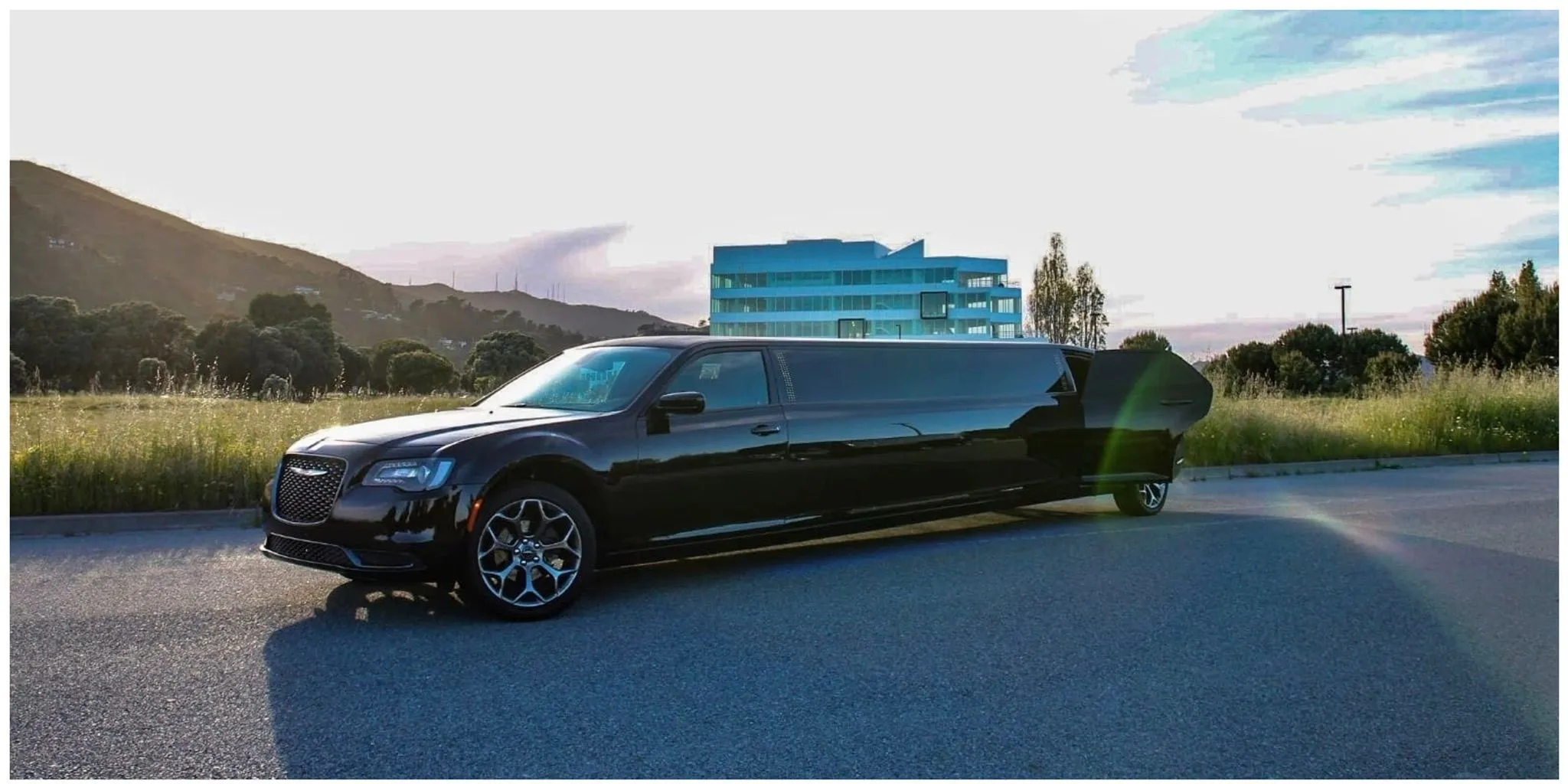
For the wedding party or close family, you might want something more private and upscale. A limousine or a party bus adds a touch of style to the day. These options offer a nice space to relax or party while moving between spots. A premium wedding limo service gives a high level of care and comfort that makes the trip part of the fun.

Party buses are a top pick for those who want to start the party early. They have more room to move around and often come with sound systems and lighting. While limousines are classic and sleek, party buses give you more space for larger groups. Both options use pro drivers who know the local roads well. This skill helps you stay on track even when the city is busy. A limo also gives the couple a quiet place to breathe between events.

Professional services versus individual rides

Many couples think about letting guests use rideshare apps on their own. While this might seem easy, it can lead to long wait times and high surge rates during busy hours. Pro services offer stable and clear rates through custom quotes. This clears the stress of hidden costs and helps you stay on budget. It also makes sure that a clean vehicle and a pro driver are ready when you need them.

Safety is another big factor when choosing the best wedding transportation options. Pro chauffeurs have background checks and special licenses to keep you safe. Unlike random drivers, these pros are trained to handle large vehicles on narrow Bay Area streets. This focus on safety gives you and your guests peace of mind all through the wedding day. Having one point of contact for all travel makes your job much easier.

Option Best For Max Capacity Top Benefit
Charter Bus Large groups 56 people Total group moves
Shuttle Van Medium groups 14 people Quick local trips
Limousine Wedding party 10 people Style and comfort
Party Bus Fun group travel 24 people Party atmosphere
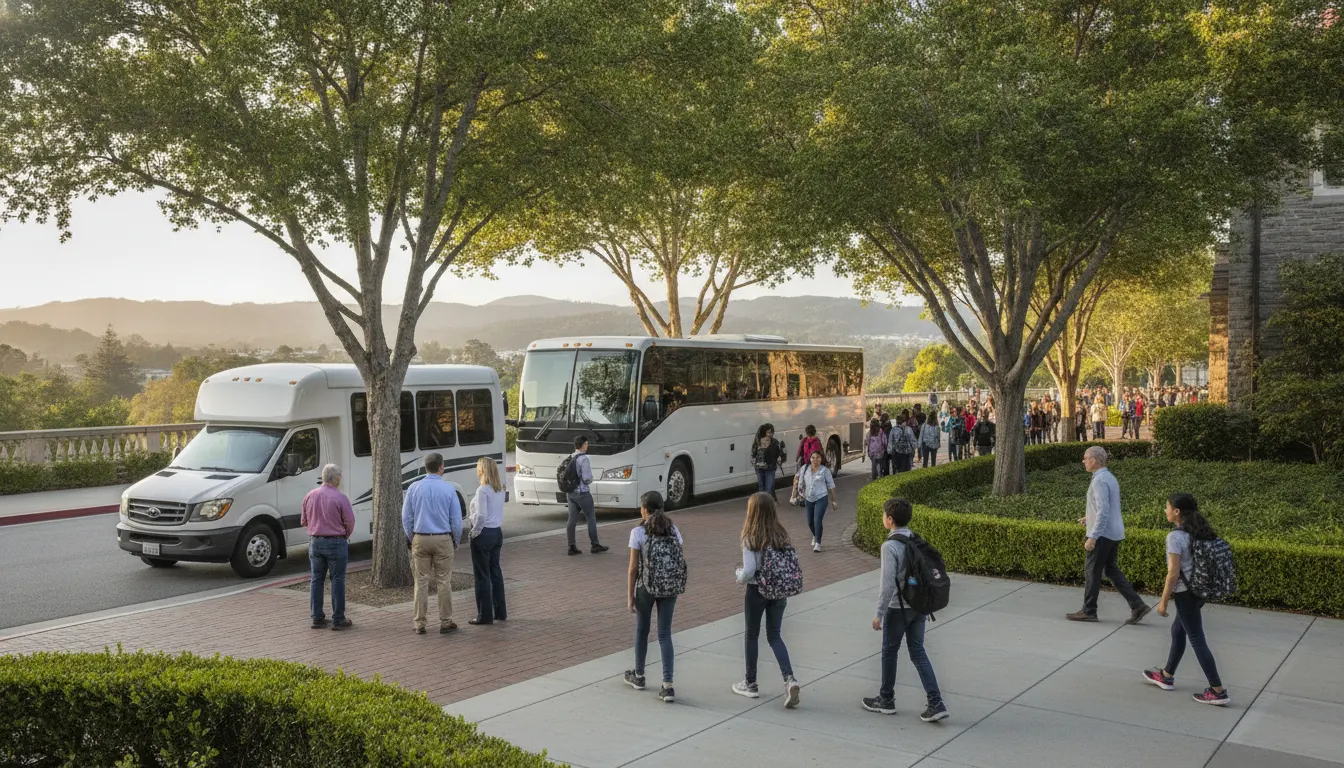
Wedding guests boarding a luxury shuttle in San Francisco
Shared transportation helps wedding guests arrive together and on schedule.

Why Bay Area wedding transportation needs a local plan

Planning a wedding in the San Francisco Bay Area brings joy but also some tough travel hurdles. From the steep hills of the city to the long roads of wine country, your plan must be solid. Picking the best wedding transportation options means more than just a nice car. It means finding a team that knows the local streets well.

Navigating city hills and tight spaces

San Francisco is famous for its steep streets and sharp turns. These hills can be hard for large buses or long cars to climb. A local plan ensures your driver knows which streets work for your bus. Curb space is also limited in the city. It can be hard to find a spot near well-known venues like City Hall or the Presidio.

When you use professional wedding transportation services, you get drivers who know the best spots. They can find a safe place to stop without blocking traffic or breaking city rules. This care helps keep your day on track. It makes the trip stress-free for you and your guests.

Beating traffic and bridge delays

The Bay Area has some of the busiest roads in the country. Traffic on the Golden Gate Bridge or the Bay Bridge can change fast. A local plan looks at these shifts to pick the best routes. Using shared rides for large groups can help cut down on total travel time by putting fewer cars on the road.

Moving guests in large groups also helps the local area. It puts less strain on the roads and makes the trip better for all. Expert planning is a must to make sure your wedding party reaches the site on time. A custom route plan is a huge help for weddings with more than one venue.

Managing long trips to wine country

Many couples choose to marry in Napa or Sonoma. These spots are pretty, but they are far from the main city. The roads are often narrow and winding. This can make travel slow and tricky. A good plan for wine country should include plenty of time for the drive. It should also have clear stops for your guests.

Providing a shuttle is the best way to handle these long trips. Shuttles keep your group together so no one gets lost on back roads. This also lets guests enjoy the party without worrying about the drive back to the hotel. A local team will know the best paths to reach even the most remote vineyard sites.

How to build a reliable wedding guest transportation plan

A smooth wedding day starts with a solid plan for your guests. Planning travel for a large group is a big task. By using group vehicles, you help reduce the load on local streets. This plan makes the collective travel time much lower for your guests and the locals.

Guest counts and pickup spots

First, find out how many guests will need a ride. Many couples look for reliable wedding guest shuttle services to handle these needs. Check your guest list for anyone who may need extra help, such as those with wheelchairs. Grouping people at one or two main hotels makes the details much easier for the driver.

Think about the best wedding transportation options for your group size. A large motor coach can hold up to 56 people at once. This keeps the whole party together and ensures no one gets lost. It also keeps the day on schedule so the event can start right on time.

  1. Survey your guests to see who wants to use a shuttle instead of driving.
  2. Map out the best spots for pickup and drop-off based on where guests stay.
  3. Choose vehicles that fit your group size and give enough room for all.
  4. Create a timeline that leaves plenty of room for loading and traffic delays.
  5. Send the final schedule to your guests through your wedding site or emails.
  6. Request a custom quote to get a clear view of your total costs.

Bay Area traffic buffers

Traffic in the San Francisco Bay Area can change in an instant. You must add extra time to your plan to stay safe. Driving through city hills or the narrow roads of wine country takes more time than you might think. A skilled driver will know how to handle these routes with ease and care.

Local skill is a key part of choosing professional wedding transportation services. They understand the patterns of the local highways and bridges. Using a team that knows the Bay Area helps you avoid common traps. This keeps your guests relaxed and ready to party when they reach the venue.

Clear schedule sharing

Once you have a plan, you must tell your guests. Make sure the times and spots are easy to find. You can put this info on your wedding invites or a digital map. Being clear about the plan helps everyone feel more at ease during the trip.

Give a way for guests to reach a contact person on the day of the wedding. This could be a planner or a member of the wedding party. If a guest misses a bus, they will know who to call for help. This small step goes a long way in making the day go well for all.

How do you choose the right vehicle for wedding guests?

Picking the best wedding transportation options starts with your guest list. You must match the size of your group to the space in the vehicle. A mix of car types often works best for a large event. Small groups of four to six people can use luxury SUVs or sedans. These cars are great for the bridal party or close family who need to move between spots fast.

Wedding guests boarding an executive shuttle in San Francisco
Matching vehicle capacity to the guest list helps keep wedding travel comfortable and coordinated.

Match vehicle size to guest count

For most guests, larger buses are the top choice to keep the group together. A reliable wedding guest shuttle services can seat up to 30 people with ease. If you have a huge group, a coach with 56 seats is even better. Choosing large buses helps lower travel times by taking private cars off the road for your big day. This move cuts down on traffic and makes it easy for guests to arrive at the same time.

Check venue and road limits

Your venue may have rules about what types of cars can enter. Some Bay Area spots in wine country have narrow roads or steep hills. A full coach might not fit on these paths. You may need small vans to get guests to the door. Think about how many stops you have on your list too. A large fleet lets you use professional wedding transportation services to pick up guests at many spots. This helps you get people from hotels to the party without any stress.

Think about guest needs and comfort

Guest comfort is a big part of your plan. Older guests may need low steps or extra legroom to move with ease. If people fly into the area, they will need space for their bags. Pro drivers help with these needs and keep everyone safe. Unlike rideshare apps, professional chauffeured services use screened drivers who know the local roads well. This gives you peace of mind. It makes sure your friends and family enjoy a smooth ride to your wedding.

Professional chauffeur with a wedding transportation minibus
A professional chauffeur and the right-size vehicle support a dependable guest transportation plan.

What affects the cost of wedding transportation?

Finding the best wedding transportation options for your big day is a key part of your plan. Many factors change the final price you will pay for these services. Every wedding is unique. This is why most top firms use a quote-based model instead of set rates. This helps you get a plan that fits your exact needs and budget.

Fleet choice and guest count

The type of vehicle you choose has a big impact on your costs. Small luxury sedans are often the most low-cost choice for quick trips. But if you have a large guest list, a 56-seat motor coach might be better. Using one large bus can often save money compared to renting many small cars. Grouping guests into large vehicles also helps reduce traffic on local roads as shown in recent travel data. You must think about your guest count and the mix of cars you want for the day.

Service time and route details

Most rental firms charge based on a set number of hours. This often starts at three to five hours for wedding events. Your route distance and the number of stops also matter. If your wedding service and the party are in two towns, the driver must track more miles. Wait times between events can also add to the bill. Providing a full travel plan helps the team give you a more exact price. This prevents surprise fees on your final bill.

Common factors that change your wedding transportation quote include:

  • The total number of guests you need to move.
  • The mix of vehicle types, such as sedans or shuttles.
  • How many hours you need the service.
  • Total travel distance and the number of stops.
  • Wait times between other parts of the day.
  • Any special needs like the drinks you want.

Date and yearly demand

The date of your wedding is one of the biggest price factors. Peak wedding season in the Bay Area often runs from late spring through early fall. During these months, demand for high-quality cars is at its peak. Booking on a Saturday will also cost more than a weekday or a Sunday. It is best to plan ahead and book your rides at least six months before the date. This ensures you get the vehicles you want at a fair price.

At Epic Limousine, we believe in clear and honest pricing. We do not use surge models that change based on live demand. Instead, we look at your exact plan to create a fair quote. This helps you focus on your guests while we handle the road. To get the most exact price, we suggest you share your full travel plan with us early in the process.

Questions to ask before booking wedding transportation

Choosing the best wedding transportation options for your big day requires more than just picking a car. You need to know how a company handles the small details that keep your event on track. Start by asking about driver training and safety checks to ensure your guests are in good hands.

Safety and driver skills

Professional firms use drivers who hold a Commercial Driver License (CDL) and pass full background checks. This is a key step that sets a premium wedding limo service apart from basic rideshare apps. Ask if the drivers have experience with Bay Area hills or the narrow roads in wine country.

You should also check for proper state and federal permits. A top company will hold USDOT, CPUC, and SPAB certificates to show they follow strict safety rules. Verifying these documents helps you plan safe large events that do not strain local medical or traffic resources.

Timing and guest counts

Ask the company how they manage tight schedules to prevent late arrivals. You want to know if they use GPS tracking or local dispatchers to avoid traffic jams. Planning your transit can reduce travel times for everyone by cutting the number of private cars on the road.

Make sure to ask about the total seat count for your group. A large fleet that ranges from sedans to 56-passenger buses allows you to book reliable wedding guest shuttle services for any size. Clear communication about guest counts ensures no one is left behind at the hotel.

Cost and booking terms

Get a full breakdown of the costs before you sign. Ask if the quote includes fuel, fees, and tips for the driver. Professional teams offer clear pricing that avoids the sudden price hikes found with on-demand apps. This lets you set a firm budget for your wedding day.

Check the rules for changes or cancellations in case your plans shift. It is smart to book your fleet early to lock in the best vehicles for peak wedding months. Knowing the terms for overtime or extra stops will help you avoid high costs if the party runs late.

Request a custom quote from Epic Limousine before your date and preferred vehicle options fill up.

Frequently Asked Questions

What are the best wedding transportation options for large groups?

The best wedding transportation options for large groups often include a mix of high-end shuttles and large buses. Based on a study of high-occupancy transit, using shared rides can help lower traffic in busy areas. This choice keeps all your guests in one group and on time. It also helps lower the count of cars on the road. This makes the trip much smoother for each guest at the wedding.

How far in advance should we book a wedding shuttle in the Bay Area?

You should book your wedding shuttle at least six months before your big day. In the Bay Area, busy wedding months make it hard to find open dates. Booking early is a key part of planning for the best wedding transportation options. It ensures you get the right buses for your group size. This step also gives you peace of mind so you can focus on other parts of your special day.

Is a professional car service safer than rideshares for wedding guests?

A pro car service is much safer than using common rideshare apps. Pro drivers have a CDL license and must pass full checks. Firms like Epic Limousine also hold special permits like USDOT and SPAB. These rules make sure that the buses are safe and meet all state laws. Using a pro service helps you avoid the stress and risk of using drivers who lack these high rules.

How do I get an accurate price for wedding guest transportation?

To get a right price, you should ask for a custom quote based on your needs. Custom plans offer set prices that do not change based on high demand. This is much better than apps that raise rates when many people need a ride at once. Planning your trip with a local expert helps you find the best wedding transportation options for your budget. It also ensures you pay a fair price for great service.

Plan seamless wedding transportation with Epic Limousine

Your guests should remember the celebration, not the stress of finding parking or missing a pickup. Epic Limousine is a family-owned Bay Area transportation provider with professional chauffeurs and quote-based service tailored to your itinerary.

Call 415-366-4440 or request a wedding transportation quote to discuss your guest count, venues, pickup locations, and schedule.

Do Charter Buses Have Bathrooms? Complete Amenities Guide

Do charter buses have bathrooms? Most full-size motor coaches do, along with passenger amenities such as Wi-Fi and power outlets. However, equipment varies by vehicle, so planners should confirm every required feature before signing a transportation agreement. That simple verification can prevent an inconvenient surprise during a long Bay Area itinerary.

Request a quote from Epic Limousine or call 415-366-4440 to match your group with an appropriately equipped vehicle.

For an event planner, travel coordinator, or school administrator, amenities are more than optional comforts. A restroom can reduce unplanned stops, while reliable charging access helps attendees remain productive and reachable. This guide explains what to expect, which vehicle types usually include each feature, and how to confirm the details that matter to your group.

Do charter buses have bathrooms?

Direct answer: Most full-size motor coaches have a compact onboard restroom, but smaller minibuses and passenger vans typically do not. Because fleet equipment varies, confirm the restroom on the specific vehicle included in your quote before finalizing a long or time-sensitive itinerary.

Full-size coach interior showing how charter buses have bathrooms at the rear

Most full-size charter buses include a compact restroom at the rear of the passenger cabin. These coaches commonly seat between 36 and 56 passengers and are designed for longer journeys, making an onboard restroom a practical feature. Smaller shuttle buses, minibuses, and passenger vans generally do not include one because their shorter bodies leave less room for a dedicated lavatory.

An onboard restroom is best understood as a convenience rather than a substitute for scheduled comfort stops. The compartment is compact and usually contains a toilet, hand-sanitizing provision, interior light, and locking door. It rarely offers running water or the spacious layout travelers might expect in a building.

When a restroom matters most

A restroom is especially valuable on long highway segments, wine-country itineraries, conference transfers, and academic trips. It gives passengers an option between planned stops and helps a coordinator keep a time-sensitive schedule moving. Groups with children, older adults, or travelers who may need more frequent access should make this feature a booking priority.

Why smaller vehicles often do not have one

Vehicle design requires a tradeoff between passenger capacity, luggage storage, maneuverability, and amenities. A minibus that works well for a compact urban route may not have enough cabin space for a restroom. For a short transfer, that tradeoff may be reasonable; for a multi-hour trip, a full-size coach or planned rest stops may be the better choice.

What should passengers expect from an onboard restroom?

Direct answer: Expect a private but compact lavatory intended for occasional use between scheduled stops. It commonly includes a toilet, interior light, locking door, and hand sanitizer. Travelers should not expect the space, sink, or running water available in a building restroom.

A charter bus restroom is designed for occasional use while traveling. Its limited dimensions support convenience without consuming substantial passenger or luggage space. Passengers should expect a functional, private compartment rather than a full-service bathroom.

Use the restroom safely and considerately

Passengers can generally use the restroom while the coach is moving, but they should use handrails and return to their seats promptly. Sudden braking, curves, and uneven pavement can affect balance. When road conditions are difficult, waiting until the next stop may be the safer choice.

Coordinators can also improve the experience by setting expectations before departure. Remind travelers that the facility is compact, ask them to dispose of waste appropriately, and schedule comfort stops on longer routes. These measures keep the cabin pleasant and provide passengers with opportunities to stretch, wash their hands, and purchase refreshments.

Ask about accessibility requirements in advance

Standard onboard restrooms may be difficult to navigate for passengers with limited mobility. If anyone in the group has an accessibility requirement, explain it during the quote process rather than assuming a particular coach will be suitable. The transportation team can discuss vehicle options, boarding needs, and a route plan with appropriate stops.

Do charter buses have Wi-Fi and power outlets?

Direct answer: Many modern charter buses include Wi-Fi, electrical outlets, USB charging ports, or a combination of these amenities. They are not universal, and Wi-Fi quality depends on cellular coverage. Confirm the assigned coach’s equipment and the location of available ports before departure.

Business travelers using Wi-Fi and power outlets on a charter bus

Many modern charter buses offer Wi-Fi, electrical outlets, USB charging ports, or a combination of these features. Availability still depends on the specific vehicle, and service quality can vary with network coverage. A coach may have excellent connectivity in San Francisco and weaker service on a rural or mountainous segment.

Epic Limousine identifies onboard Wi-Fi and power ports among the amenities available for select transportation services. Planners who consider connectivity essential should request it explicitly and confirm how charging access is distributed throughout the cabin.

Wi-Fi supports work and communication

For corporate groups, Wi-Fi can turn travel time into productive time. Attendees may review presentations, respond to messages, or coordinate arrival details while en route. For academic and leisure groups, connectivity supports communication and entertainment. Because mobile networks are not equally reliable along every route, planners should avoid promising uninterrupted service to passengers.

Power access requires specific questions

Ask whether the coach provides standard electrical outlets, USB ports, or both. It is also useful to confirm whether each row has access or whether ports are shared among several seats. A group carrying laptops may have different power requirements than passengers who only need to recharge phones.

Entertainment systems vary as well

Some coaches include overhead monitors, a public-address system, or audio controls. These features may benefit a tour, student group, or company presentation, but compatibility should be verified before departure. If a presentation or video is central to the trip, discuss the file format, connection method, and audio requirements during booking.

Charter bus amenities by vehicle type

Direct answer: Full-size motor coaches are the most likely to include restrooms, luggage bays, and premium passenger amenities. Minibuses and passenger vans trade those features for maneuverability and efficient local service. Match the vehicle to your route, group size, accessibility needs, and required equipment.

The right vehicle depends on more than passenger count. Route length, luggage volume, accessibility needs, pickup conditions, and required amenities all influence the selection. The following comparison provides a useful starting point, but the assigned vehicle’s specifications remain the final authority.

Vehicle type Typical restroom availability Common amenities Best suited for
Full-size motor coach Commonly available Reclining seats, climate control, luggage bays, Wi-Fi or power on select vehicles Long-distance travel, large events, conferences, and academic trips
Minibus or shuttle bus Usually not available Climate control, comfortable seating, and select connectivity features Local transfers, venue loops, and smaller groups
Passenger van or Sprinter-style vehicle Generally not available Premium seating and convenient urban access Executive transfers and compact groups

Planners comparing options can review Epic Limousine’s overview of Bay Area transportation services. For a deeper look at coach selection, the charter bus rental guide explains how group needs shape the booking decision.

How to confirm amenities before booking

Direct answer: Give the transportation provider a prioritized requirement list, then ask for written confirmation that each essential amenity applies to the assigned vehicle. Include passenger count, luggage, accessibility needs, route details, restroom requirements, Wi-Fi, power, and presentation equipment.

A professional reservation process should connect every essential requirement to the specific vehicle being quoted. Avoid relying on general descriptions or assumptions based on vehicle size. Instead, provide a prioritized list of needs and ask the transportation provider to confirm them in writing.

Build a practical requirement list

  • Passenger and luggage capacity: Include the expected headcount and any oversized equipment.
  • Restroom: State whether it is required or simply preferred.
  • Connectivity: Specify Wi-Fi, standard outlets, USB ports, and any presentation needs.
  • Accessibility: Describe mobility devices, boarding assistance, and other accommodations.
  • Route details: Share every pickup, stop, venue, and timing constraint.
  • Onboard comfort: Ask about climate control, seat configuration, and storage.

Confirm the assigned vehicle, not just the category

A fleet may contain several coaches in the same general class with different equipment. Ask whether the quoted amenities apply to the vehicle scheduled for your trip. If a feature is mission-critical, request written confirmation and ask how substitutions would be handled if the original vehicle became unavailable.

Share the itinerary early

A detailed itinerary helps the transportation team recommend a suitable vehicle and plan realistic travel times. Bay Area traffic, loading zones, venue access, and driver-hour rules can all affect the schedule. Early coordination also makes it easier to include appropriate comfort stops when the selected vehicle does not have a restroom.

Planning a professional or executive trip? Explore Epic Limousine’s corporate charter bus guidance, then request a tailored quote for your itinerary.

Seven steps for a smoother charter bus trip

Direct answer: A smooth group trip starts with accurate passenger and itinerary details, a clear list of essential amenities, and final confirmation before service. Brief passengers, identify group leaders, carry dispatch contact information, and coordinate realistic loading and comfort-stop plans.

Once the vehicle and amenities are confirmed, operational preparation helps the trip run as planned. A coordinator can use this sequence for a conference transfer, school outing, wedding, or longer group journey.

  1. Finalize the passenger count. Allow for late changes and tell the provider about luggage, mobility devices, or equipment that may affect capacity.
  2. Confirm every address and time. Include loading locations, venue entrances, scheduled stops, and a reliable onsite contact.
  3. Prioritize essential amenities. Distinguish requirements such as a restroom or accessible boarding from preferences such as Wi-Fi or entertainment screens.
  4. Review the route plan. Discuss traffic-sensitive segments, loading restrictions, and appropriate comfort stops with the transportation team.
  5. Brief passengers before departure. Share the meeting point, boarding time, luggage rules, and onboard restroom expectations.
  6. Carry the dispatch contact details. The trip coordinator should know whom to contact if an itinerary detail changes.
  7. Verify the final schedule. Reconfirm the itinerary and essential vehicle features before the service date.

This preparation is particularly important when several vehicles serve the same event. Assigning a group leader to each coach and sharing consistent instructions can reduce boarding delays. It also gives passengers a clear point of contact when questions arise during the trip.

Which trips benefit most from onboard amenities?

Direct answer: Restrooms, connectivity, and charging access deliver the most value on longer, traffic-sensitive, or professionally managed trips. Corporate events, academic travel, weddings, and multi-stop itineraries benefit when amenities protect the schedule and help passengers stay comfortable, reachable, and productive.

Every group appreciates a comfortable vehicle, but certain itineraries place a higher value on restrooms, connectivity, and charging access. Reviewing the passenger experience from departure through arrival helps planners decide which features deserve priority.

Corporate events and conference transportation

Corporate travelers often need to remain reachable between a hotel, conference center, airport, and off-site event. Wi-Fi and charging access can support productivity, while a restroom adds flexibility when traffic extends the journey. A public-address system may also help a coordinator deliver schedule updates to the entire group.

Academic transportation

Schools and universities must balance comfort with supervision, safety, and scheduling. A full-size coach with a restroom may be helpful for longer journeys, but organizers should still plan structured breaks and communicate usage expectations. Epic Limousine’s academic bus rental service provides more context for school and university transportation planning.

Weddings, celebrations, and group outings

Special-event transportation often involves formal clothing, multiple venues, and a schedule that leaves little room for delays. Climate control, sufficient storage, and comfortable seating may matter as much as connectivity. For a longer transfer, an onboard restroom can help the group arrive together and on time.

Long-distance and multi-stop itineraries

The longer or more complex the route, the more valuable thoughtful amenities become. Restroom access can reduce unscheduled interruptions, while power and Wi-Fi help passengers use travel time effectively. Even on a well-equipped coach, scheduled breaks remain important for comfort and driver compliance.

Frequently asked questions

Direct answer: The most important planning questions concern whether the assigned bus has a restroom, how passengers can use it safely, and whether Wi-Fi and power are available. The answers depend on vehicle type and equipment, so confirm essential features during the quote process.

Do all charter buses have bathrooms?

No. Most full-size motor coaches have a compact onboard restroom, while minibuses, shuttle buses, and passenger vans usually do not. Confirm the feature on the specific vehicle included in your quote.

How do charter bus bathrooms work?

A charter bus bathroom is a small, self-contained lavatory designed for occasional passenger use. It commonly includes a toilet, light, locking door, and hand-sanitizing provision. Operators service the restroom between trips.

Can passengers use the bathroom while the bus is moving?

Passengers can generally use it while the coach is moving, but they should exercise caution and follow the driver’s instructions. Using handrails and returning to a seat promptly reduces the risk created by sudden movement.

Do charter buses always have Wi-Fi and outlets?

No. These amenities are common on many modern coaches but are not universal, and connectivity depends on cellular coverage. Ask which features are installed on the assigned vehicle and whether power access is available at every row.

How should I choose the right charter bus?

Start with passenger count, luggage, route length, accessibility needs, and essential amenities. Then discuss the itinerary with a transportation provider that can recommend an appropriate vehicle. This approach is more reliable than selecting a bus based on seating capacity alone.

Reserve a charter bus with the amenities your group needs

Direct answer: The right charter bus is the vehicle that supports your passenger count, route, accessibility requirements, and must-have amenities. Share those details with Epic Limousine to receive a customized, quote-based recommendation for your Bay Area group trip.

The answer to “do charter buses have bathrooms?” is usually yes for full-size coaches, but the best booking decision comes from confirming every requirement. Epic Limousine is a family-owned Bay Area transportation provider with professional chauffeurs and vehicle options for corporate events, academic travel, celebrations, and group outings.

Request a customized charter bus quote or call 415-366-4440 to discuss your passenger count, itinerary, and required amenities.

How Many Seats on a Charter Bus? Capacity Guide

Most people asking how many seats on a charter bus want a quick number so they can start planning. A full-size charter bus commonly seats about 49 to 56 passengers, while smaller minibuses and shuttle-style vehicles may carry roughly 13 to 35 people. The exact capacity depends on the vehicle’s layout, accessibility configuration, amenities, and luggage needs.

That range matters because the best vehicle is not always the one with a seat for every confirmed traveler. A comfortable, reliable trip also requires room for bags, mobility equipment, and possible additions to the guest list. This guide explains the common capacity ranges and the details to share when requesting a Bay Area transportation quote.

How many seats on a charter bus?

A typical full-size motorcoach has approximately 49 to 56 passenger seats. This is the vehicle many travelers picture when they hear the term charter bus. It is generally designed for larger groups and longer trips, with forward-facing seats and storage areas.

Charter vehicles also come in smaller formats. A minibus may seat around 20 to 35 passengers, while a sprinter-style shuttle can be suitable for smaller groups. Capacity labels are useful starting points, but they should not replace confirmation of the exact vehicle assigned to your trip.

Vehicle category Typical seating range Often suitable for
Full-size charter bus or motorcoach About 49-56 passengers Large events, school groups, conventions, longer trips
Mid-size or executive coach About 30-40 passengers Corporate groups and medium-size events
Minibus About 20-35 passengers Weddings, local shuttles, and smaller group outings
Sprinter-style vehicle About 13-15 passengers Airport transfers and small executive groups

These are general industry ranges, not a promise of a specific Epic Limousine vehicle. Ask for the actual seating capacity and configuration when requesting your quote.

Why the exact vehicle matters

Two buses described with the same general category can have different interiors. One may use every available row for seating, while another may offer more generous spacing or a different rear section. Storage design can vary too. That is why planners should review the actual option offered instead of making a decision from a category name alone.

When you receive a recommendation, ask for the passenger limit, storage information, and any key features in writing. Then compare those details with your roster and itinerary. This simple check gives organizers a clearer answer and helps passengers know what to expect.

Charter bus sizes and typical seating ranges

Full-size motorcoaches

Full-size motorcoaches usually provide the highest passenger capacity. They are often considered for conferences, academic transportation, sports teams, large wedding parties, and regional trips. Their larger storage areas can help when passengers bring suitcases, equipment, or event materials.

Minibuses and mid-size coaches

A minibus can make sense when your group is too large for several passenger vehicles but does not need a full-size coach. These vehicles are commonly used for local event circulation, employee transportation, and wedding shuttles. Exact seating and storage space vary, so planners should confirm both.

Sprinter-style and executive vehicles

Smaller group vehicles can support airport transfers, executive meetings, and focused outings. Some layouts prioritize spacious seating over maximum capacity. If presentation and comfort matter as much as seat count, explain those priorities while comparing options.

Epic Limousine coordinates several types of group transportation in the Bay Area. Explore its corporate transportation and wedding transportation services when planning those occasions.

What affects a charter bus’s seating capacity?

The capacity printed beside a vehicle type represents a maximum configuration, not necessarily the usable capacity for every trip. Several practical factors can change which vehicle best fits your group.

Luggage and equipment

Passengers traveling to an airport may each have one or more bags. A sports team, production crew, or academic group may carry bulky equipment. Tell the transportation provider what the group will bring so it can match seating with storage needs.

Accessibility requirements

Wheelchair spaces and other accessibility accommodations can affect the seating layout. Share mobility needs early, including whether travelers need assistance boarding. Advance notice gives the provider a better chance to coordinate an appropriate vehicle and plan.

Amenities and seat spacing

Some configurations trade maximum capacity for added space or amenities. Availability can vary by vehicle, so make a list of essential and preferred features. Confirm them on the specific vehicle rather than assuming that every charter bus includes the same setup.

Guest-list flexibility

A group that is still accepting RSVPs may need a buffer. Booking a vehicle at its exact maximum capacity leaves no room for last-minute attendees. A realistic count that separates confirmed travelers from possible travelers helps reduce surprises.

Route and loading conditions

Capacity is only one part of a workable transportation plan. The vehicle must also reach each pickup and drop-off location safely. Tight loading areas, venue rules, and busy city streets may influence the recommended option or pickup point. Share complete addresses early so those details can be reviewed.

Longer itineraries can also change passenger priorities. A short local transfer may call for a different comfort level than a regional day trip. Tell the provider how long travelers expect to be aboard and whether the schedule includes long waits between stops.

How to choose the right bus size for your group

  1. Build an accurate passenger count. Record confirmed guests, likely guests, children who need seats, organizers, and any staff traveling with the group.
  2. List luggage and special items. Include suitcases, wheelchairs, instruments, sports equipment, presentation materials, and anything else that requires storage.
  3. Map the complete itinerary. Provide every pickup, stop, destination, return time, and service date. Bay Area traffic and loading access can influence the plan.
  4. Identify essential amenities. Discuss accessibility, comfort priorities, and trip duration. Ask what is available on the exact vehicle quoted.
  5. Leave a sensible buffer. If attendance may grow, request an option with enough seats for likely additions instead of using the maximum immediately.
  6. Confirm before the trip. Recheck the final passenger count, itinerary, contact person, and assigned vehicle details with the provider.

A clear request makes it easier to compare suitable choices. It also helps avoid paying for space you do not need or choosing a vehicle that cannot comfortably handle the group and its belongings.

Assign one organizer to maintain the roster and communicate changes. That person can track confirmations, collect accessibility information, and share updates with the transportation provider. Centralizing those details reduces conflicting instructions and makes the final confirmation easier.

Before the service date, send passengers clear boarding instructions. Include the pickup address, meeting time, organizer’s phone number, and any luggage limits. A properly sized bus still needs an organized group to leave on schedule.

Matching bus capacity to your Bay Area trip

Corporate transportation and employee shuttles

Corporate planners may need a one-time transfer, recurring shuttle, conference movement, or team outing. The best capacity depends on how many people travel at the same time, not simply the total event attendance. Staggered schedules may call for several runs or multiple vehicles. Learn more about Bay Area corporate transportation.

Wedding transportation

Wedding shuttles often move guests between hotels, ceremony venues, and reception locations. Build the count by route and time slot, then allow for family members or vendors who may need transportation. Epic Limousine also provides information about wedding transportation.

Airport and cruise transfers

Airport groups usually need more luggage capacity than local event guests. Share airline details, terminal information, arrival times, and the number of bags. For a coordinated arrival or departure, review Epic’s airport transportation options.

School, academic, and event trips

Academic and event planners should count students or guests as well as chaperones, teachers, staff, and organizers. Equipment and accessibility needs should be documented in the request. A professional chauffeur and a clearly communicated itinerary help keep the group organized.

Should you book one large bus or several smaller vehicles?

One large bus can keep the group together and simplify communication. It may work well when everyone shares the same pickup point, destination, and schedule. Organizers can provide one set of boarding instructions, and passengers arrive as a group.

Several smaller vehicles may be more practical when passengers begin in different places or follow different schedules. They can also support a shuttle loop between nearby venues. The tradeoff is that organizers must coordinate more vehicles, pickup windows, and passenger assignments.

Do not compare the options by seat count alone. Consider loading access, route timing, luggage, and how the group needs to move throughout the event. Provide these details when requesting a quote so the recommended plan reflects the complete trip.

How far in advance should you plan charter transportation?

Start planning as soon as the date and basic itinerary are known, especially for a large group or a busy event period. Early planning gives you more time to collect passenger information, adjust the route, and discuss suitable vehicle options. Availability can vary, so waiting for every final RSVP may limit choices.

You can begin with an estimated count, then explain when the final roster will be ready. Keep the provider informed if attendance, stops, or timing changes. Before the trip, request a final confirmation that covers the schedule, passenger count, contacts, and vehicle details.

What details should you provide when requesting a quote?

Charter transportation is normally quote-based because every itinerary is different. Instead of relying on a generic price, prepare a complete trip summary. This gives the provider the information needed to recommend a vehicle and calculate the service.

  • Service date and preferred pickup time
  • Every pickup, stop, and destination address
  • Expected return time or total schedule
  • Confirmed and possible passenger counts
  • Estimated number and size of bags
  • Accessibility needs and essential amenities
  • Event type and an on-site contact number

Pricing can vary with the route, schedule, vehicle, wait time, demand, and other trip requirements. Epic Limousine uses quote-based pricing so planners can discuss the actual transportation need rather than rely on a fabricated one-size-fits-all number. The company is family-owned, has served the Bay Area since 2012, and coordinates trips with professional chauffeurs.

Questions to ask before confirming

Ask whether the recommended vehicle has enough passenger and luggage capacity for the information you supplied. Confirm the pickup instructions, included schedule, and process for requesting changes. If an amenity or accessibility feature is essential, ask for specific confirmation that it will be available.

Also review the quote and service terms carefully. A clear comparison should use the same itinerary, passenger count, and requirements for every option. If those inputs differ, the quotes may not represent the same trip.

Frequently asked questions

What is the maximum seating capacity of a charter bus?

Many full-size charter buses seat up to about 56 passengers, although some configurations may be smaller. Always confirm the maximum and actual seating layout of the specific vehicle offered for your trip.

How many people fit on a minibus?

Minibus capacity commonly falls around 20 to 35 passengers. The exact count varies by model and layout, so share your group size, luggage, and accessibility requirements before selecting one.

Should I reserve extra seats?

A small buffer can be helpful when the guest list is not final. Tell the provider both the confirmed and possible counts so it can recommend a practical option without automatically oversizing the vehicle.

Do children count toward charter bus capacity?

Every passenger who needs a seat should be included in the count. Share the ages of young travelers and ask the provider about any applicable seating or safety requirements for the planned service.

Does luggage reduce the number of passengers a bus can carry?

Luggage may not change the stated number of passenger seats, but it can make a vehicle unsuitable if storage is insufficient. Provide a realistic bag count so the recommended vehicle can handle both people and belongings.

Request the right charter transportation for your group

The answer to how many seats on a charter bus is usually about 49 to 56 for a full-size coach, with smaller options available for smaller groups. The right choice depends on much more than headcount. Share your itinerary, luggage, accessibility needs, and possible guest-list changes so Epic Limousine can recommend an appropriate Bay Area transportation option.

Call 415-366-4440 to request a quote and discuss the right capacity for your trip.