
Archives for November 2026

Limo Service in Palo Alto: Executive and Event Transportation Guide

When comparing limo service Palo Alto options, begin with the itinerary, not the vehicle label. Count passengers, list every stop, and identify timing, luggage, and pickup needs. A written plan helps you compare transportation that suits an executive visit, airport transfer, wedding, celebration, or client day.

A black passenger vehicle waiting outside a modern Palo Alto office building

Request a Quote now

With the itinerary, responsibilities, and written terms aligned, you can give every passenger a more predictable transportation plan.

What kind of Palo Alto trip are you planning?

Start by deciding what the transportation needs to accomplish. A single airport transfer, a series of client meetings, and a wedding shuttle have different timing, passenger, and coordination requirements.

For an executive visit, write down the office, hotel, airport, and meeting locations in sequence. If the itinerary reaches beyond Palo Alto, include the complete Bay Area route rather than pricing each leg in isolation. Epic Limousine serves the San Francisco Bay Area and describes point-to-point and hourly charter options; ask which format fits the route and expected waiting time.

For a wedding or celebration, map the movement of each passenger group. The couple, wedding party, and guests may leave from different places or travel at different times. Review the wedding transportation information and wedding shuttle planning guide while building the schedule.

  • Executive meeting: list appointment locations, pickup windows, and who will meet the passenger.
  • Airport transfer: provide flight details, terminal information, luggage estimate, and a meeting point.
  • Wedding: record ceremony and reception addresses, guest movements, and a day-of lead contact.
  • Celebration: estimate the number of riders, pickup locations, and return arrangements.
  • Multi-stop day: place every stop and target time in one itinerary with room for delays.
  • Recurring or group trip: identify the schedule pattern, boarding points, and passenger communication plan.

How do you choose the right vehicle capacity?

Choose capacity from the real passenger count, then consider luggage, comfort, and how the group boards. Headline capacity alone may not answer whether everyone and their bags will fit appropriately.

Epic Limousine’s fleet categories range from sedans to 56-passenger motor coaches. Compare the fleet overview, then ask about the category and capacity proposed for your date. Share both the expected passenger count and a realistic bag estimate. A group of colleagues traveling with carry-ons has different space needs from the same number of wedding guests carrying personal items.

For a small group, a sedan or another compact passenger vehicle may make coordination simple, if an appropriate option is available. For a larger group, a coach or multiple vehicles may be worth comparing. Separate vehicles can help when passengers have different pickup times or destinations; one larger vehicle can simplify a shared departure. Confirm exact assigned capacity and any luggage limitations in writing rather than relying on a generic fleet photo.

Trip situation Planning priority Details to confirm
Small executive party Direct route and clear handoff Riders, luggage, pickup window, stops, contact
Airport group Arrival coordination and bags Flight, terminal, meeting point, wait plan, capacity
Wedding party Sequence across venues Passenger groups, addresses, service hours, changes
Large celebration Boarding flow and return plan Capacity, departure point, schedule, final drop-offs
Multi-stop client day Flexibility between appointments Service format, stop duration, overtime terms

This table is a comparison aid, not a statement that a vehicle is available. Confirm vehicle category, suitability, and availability for your date. For larger groups, Epic’s motor coach and group transportation page and motor coach rental guide can help you frame questions.

How should you plan an airport transfer?

Send flight and meeting information before travel day, and make the pickup location specific enough that the traveler can recognize it. The traveler, organizer, and transportation provider should all work from the same details.

For an arrival, provide the airport code (SFO, OAK, or SJC), airline, flight number, scheduled arrival, terminal if known, passenger name, mobile contact, and luggage estimate. Confirm how the pickup point will be communicated and who will send an update if the flight changes. “Meet outside” is too vague: state the agreed terminal area, door, curb, or other location, then verify that airport rules and the provider’s instructions allow the plan.

For a departure, provide the full Palo Alto pickup address, the desired airport arrival time, and any intermediate stop. Instead of choosing a pickup time by guessing, ask the provider to discuss the route and timing assumptions in its quote. Build a buffer for passenger boarding, traffic variation, and access to the pickup point; do not schedule a final meeting or flight connection as if every leg will take exactly the estimated time.

Epic’s executive airport transfer information and airport shuttle guide offer useful prompts for organizing a trip. Before confirming, use this sequence:

  1. Verify the airport, flight number, and traveler name.
  2. Agree on an arrival pickup or departure drop-off time and location.
  3. Send terminal and meeting instructions in writing.
  4. Share a day-of contact using the provider’s booking process.
  5. Ask how delays, cancellations, or flight changes affect the pickup.
  6. Confirm passenger count, bags, vehicle capacity, and any special needs.
  7. Save the final instructions where the traveler can access them without searching through a long email thread.

What belongs in an executive or client itinerary?

Send one concise itinerary with addresses, appointment times, passenger contacts, and a person authorized to approve changes. A shared plan reduces repeated questions and makes each handoff easier to understand.

For a client visit, identify whether the vehicle should wait, return later, or continue to another stop. Add the expected time at each meeting and a buffer before the next pickup. Give precise building access notes, such as the appropriate entrance or agreed curbside location, but avoid sharing unnecessary sensitive information. If a passenger will be meeting the driver, name the responsible person and how they will recognize one another.

When several colleagues need coordinated rides, review the corporate transportation information. For a conference with repeated trips, the convention shuttle service page and employee shuttle planning guide can help you organize stops and departure intervals.

Epic describes both point-to-point and hourly charter options. Ask which one the quote uses and what happens if a meeting runs late or an extra stop is requested. Do not assume waiting time, route changes, or extended service are included unless the written terms say so. Name one coordinator who can approve adjustments, and tell the provider how to reach that person during the trip.

How can you coordinate wedding and celebration transportation?

Work backward from ceremony, reception, or event start times and decide which people need a ride at each stage. A useful movement plan specifies locations, passenger groups, and who is responsible for communicating changes.

Build the itinerary in chronological order. For every movement, record the pickup address, group, departure time, destination, and the person who will confirm that the group is ready. If guests will board at a hotel or central location, use a precise meeting point and tell them when boarding closes. A schedule that says “leave after the ceremony” is less useful than a stated departure window and named coordinator.

Estimate time for guests to board and for the vehicle to reach the next stop. Include an alternate plan for a delayed ceremony, a late group, or a change in guest count. Keep a version with the couple or event planner and send the confirmed version to the transportation provider. The special-event transportation information and event shuttle planning guide are relevant starting points. For a birthday or other celebration, review the party bus information and ask directly about the specific vehicle and terms.

  • List venues and pickup points in the order they occur.
  • Assign a passenger count to every leg, not just the whole event.
  • Estimate boarding time as well as time on the road.
  • Name a lead contact who can make day-of decisions.
  • Give guests a clear address, meeting point, and departure time.
  • Confirm capacity, luggage, accessibility requests, and any other practical needs.
  • Decide how guests will return or disperse after the event.

Which service and safety details should you verify?

Ask who will operate the trip, what vehicle category is planned, and what process applies to schedule changes. Request specific, written answers rather than relying on broad descriptions such as “premium” or “professional.”

Epic Limousine’s company information describes federal and state transportation authorizations. For context on federal motor-carrier information and requirements, consult the Federal Motor Carrier Safety Administration. Ask the provider which credentials apply to the particular vehicle and service you are considering, and how to verify any authorization that matters for your trip. The company’s About Us page and fleet details are places to review its published information.

Clarify the operating details that affect passengers. Ask what contact method to use on the day, when pickup updates will be sent, what happens if the contact person is unavailable, and how to request an accessibility accommodation. Confirm any child-seat requirements, luggage limits, boarding instructions, and passenger capacity before finalizing. These questions do not replace a provider’s written terms; they help you identify what needs to be answered before the date is fixed.

What should a transportation quote include?

A useful quote identifies the trip, service format, vehicle or capacity, schedule, and terms that could change the final charge. Compare complete proposals for the same itinerary, not a headline figure without its assumptions.

Epic Limousine describes its pricing as customized and quote-based. To help the provider assess your request, send the travel date, passenger count, all pickup and drop-off addresses, stops, service hours, airport or event timing, and luggage estimate. If you do not know the vehicle category, describe the group and ask what capacity is proposed. State which parts of the schedule are firm and which may change.

  • Requested date and pickup time, including the time zone if relevant.
  • Passenger count for each trip leg and a realistic luggage estimate.
  • Complete addresses and the order of stops.
  • Requested capacity or vehicle preference, if you have one.
  • Point-to-point, hourly, recurring, or multi-day service needs.
  • Waiting time, extra stop, schedule-change, and overtime terms.
  • Charges included and excluded, such as parking or tolls if applicable.
  • Reservation, deposit, cancellation, and payment terms.

For comparison, send each provider the same trip details and ask for each answer in writing. Check whether quoted service hours begin at pickup or another point, whether a return leg is included, and how a change to passenger numbers affects the plan. The charter bus cost guide and shuttle quote guide can provide additional group-transport questions. No two quotes are directly comparable if one assumes fewer stops or shorter service time.

How do you prepare a clear day-of handoff?

Choose one person to own the final itinerary and distribute one confirmed version to the traveler, organizer, and provider. The goal is to make the next action obvious even if someone checks the plan on a phone while moving between locations.

Use a compact handoff note with the date, passenger lead, pickup time, exact address, meeting instructions, vehicle capacity confirmed, destination, and provider contact process. For an airport trip, add flight and terminal details. For an event, list each stop in sequence. Mark any item that is still pending instead of presenting it as confirmed.

Before travel day, check the note against the reservation. If a flight, meeting, venue, or passenger count changes, send the update to the provider and the people affected. Avoid sending conflicting versions through separate channels. One coordinator should state what changed, when it changed, and whether the provider has acknowledged the revised plan.

A simple handoff can follow these steps:

  1. Gather final addresses, times, passenger names, and contact details.
  2. Compare them with the written quote and reservation confirmation.
  3. Resolve missing details such as a terminal, entrance, or return location.
  4. Share the final note with the passenger lead and the transportation provider.
  5. Set a clear route for day-of updates and identify the decision-maker.
  6. Reconfirm any material change and keep the latest version easy to find.

Request a Quote here

Frequently asked questions

These answers cover common planning questions. Confirm all details that depend on date, route, availability, or specific service terms with the provider.

Can one trip include several Palo Alto stops?

It can be requested as a multi-stop itinerary. Send each address, the planned order, and the time expected at each stop, then confirm whether the proposal is point-to-point or hourly and what applies if the schedule changes.

What information should I send for an airport pickup?

Provide the airport, airline and flight number, arrival time, terminal if known, passenger contact, luggage estimate, and agreed meeting point. Also ask how to communicate if the flight or arrival plan changes.

How should I choose vehicle size?

Start with the number of passengers on each leg and the amount of luggage. Ask the provider to recommend a suitable capacity, then confirm the proposed vehicle category and availability in writing.

Can transportation cover both a wedding ceremony and reception?

That depends on the schedule, route, vehicle availability, and quoted service format. Provide both venue addresses, passenger groups, timing, and estimated duration so the provider can confirm a workable plan and applicable terms.

What should I compare in transportation quotes?

Compare the same route, passenger count, service period, vehicle capacity, and included stops. Check waiting, overtime, extra-stop, cancellation, and payment terms instead of comparing only the initial total.

When should I request a quote?

Request one once you know the date, approximate passenger count, route, and timing. For an event, share the developing itinerary and send the final version when the locations and schedule are confirmed.

Plan your trip around confirmed details

Before reserving Palo Alto transportation, confirm vehicle capacity, pickup instructions, timing, stops, contact arrangements, and quote terms in writing. A shared itinerary gives executives, guests, and organizers a clear plan for the day.

Request a Quote

With the itinerary, responsibilities, and written terms aligned, you can give every passenger a more predictable transportation plan.

Charter Bus for a College Formal: Bay Area Planning Guide

A charter bus for a college formal can simplify travel between campus, hotels, dinner stops, and the venue while keeping a large group on a coordinated schedule. Start with the itinerary, passenger count, and accessibility needs, then confirm pickup rules, supervision, and the return plan with your transportation provider before tickets go on sale.

A charter coach waiting outside a college formal venue in the Bay Area

Request a Quote

What should organizers decide when booking a charter bus for a college formal?

Decide who is traveling, where the group must go, and when the bus needs to be available. A clear brief helps the provider recommend a vehicle and quote the same service you intend to run.

Begin by naming the event owner and one transportation lead. The event owner approves the plan; the transportation lead handles the route, passenger communications, and day-of coordination. Share the same lead contact with the provider and campus staff so questions do not get lost among multiple organizers.

  • Estimate the number of students, staff, chaperones, and guests who will ride.
  • List every stop, including campus loading, a hotel or dinner stop, the formal venue, and the return destination.
  • Set the arrival time the group needs at each stop, not just the event start time.
  • Note whether riders will travel together or board at more than one location.
  • Identify mobility, service-animal, or other accommodation needs early.
  • Confirm who can authorize itinerary changes and who can be reached during the event.

Share the event date, expected service window, passenger estimate, addresses, and any special loading instructions in one written request. Epic’s college and university transportation information and academic bus rental options can help you identify the type of group service to discuss. For a vehicle overview, compare capacity and features on the fleet page.

How should you plan transfers for a charter bus for a college formal?

Plan each transfer as a timed leg, with a named pickup point and a realistic boarding window. A route that looks short on a map can still take longer when the group must assemble, load, and move through a busy venue entrance.

For every stop, record the street address, the exact curb or campus entrance, the direction of travel, and any restrictions on bus access. Ask the venue where a coach may wait, unload, and stage if it cannot remain at the entrance. On campus, verify whether the loading zone needs advance approval and whether a gate or event staff member must provide access.

Build the schedule backward from the formal’s required arrival time. Include time for students to reach the loading point, board, and be counted. Then add a sensible buffer for traffic, construction, and congestion at the destination. Avoid promising an exact arrival minute if the route depends on changing traffic conditions; communicate a planned arrival window instead.

Transportation setup Useful when Planning trade-off
One direct campus-to-venue transfer Most attendees start at one campus location and the venue has suitable coach access. Simple to communicate, but the whole group needs to be ready at the same time.
Multiple campus pickup points Students are spread across a large campus or approved boarding locations. Can reduce individual travel to a single stop, but adds route time and requires clear stop-by-stop counts.
Campus, hotel, or dinner stop, then venue The formal itinerary includes a planned gathering or meal before arrival. Creates more coordination steps; confirm dwell time, parking, and who stays with the group at each stop.
Separate outbound and return plans Students may leave at different times or there are multiple approved return destinations. Offers flexibility, but needs a defined cutoff, roster process, and clear instructions for each return group.

Ask the provider how a stop affects the service window and quote, and confirm any waiting time or route changes in writing. Epic’s charter bus planning guide and bus-versus-shuttle overview offer additional context for choosing a group transportation setup.

How can a schedule keep the event running smoothly?

A useful schedule assigns a time and owner to every transition, not only the ride itself. Put the itinerary in one shared document and give students a simpler version with the boarding location, report time, and return instructions.

Make a timeline with distinct milestones: when boarding opens, when check-in closes, when the bus departs, the target venue arrival, and the planned return departure. Identify the person who will make each announcement and the person who confirms the group is ready. Leave room for passenger counting and boarding rather than treating loading as instantaneous.

Use a communication plan that works even if a student misses a message. Send the itinerary in advance, repeat the essential details on event day, and have organizers at the pickup point before the stated report time. Tell riders not to assume that a departure will be delayed for late arrivals. If plans change, the designated lead should notify the provider and all riders through the agreed channel.

For multi-stop service, put the sequence and planned dwell time beside each stop. A change to the order can affect later arrivals, so organizers should not make informal changes with the driver or split off riders without the transportation lead’s approval. The event shuttle planning guide may also help organizers think through repeated pickups and event schedules.

How do you keep passengers accounted for?

Use a current rider roster and assign named organizers to check people in and out. A headcount at departure and return is more dependable than assuming everyone who boarded earlier is still with the group.

Keep the roster limited to the people who need it, and use the school’s approved process for student information. Decide what information organizers truly need, such as a name and a way to verify boarding, and avoid putting sensitive personal details in a broadly shared message. For guests or students who join at separate stops, mark their assigned boarding location in advance.

  1. Set a clear roster deadline and explain how late additions or cancellations are handled.
  2. Assign one lead counter and a second person to verify the count before each departure.
  3. Check passengers as they board and reconcile the count against the expected riders.
  4. Tell riders the bus number or other agreed identifier and the organizer’s contact method.
  5. Repeat the boarding point and departure time after each planned stop.
  6. Complete a new headcount before leaving the venue and at every return drop-off.
  7. Agree in advance how to handle a missing rider; do not leave a student unaccounted for.

For a school-affiliated event, follow the institution’s supervision, consent, and emergency procedures. Confirm whether chaperones must ride, how many are expected, and who has authority to contact guardians or campus staff. These are school and event policies to confirm with the institution, not assumptions to leave to the driver.

What pickup and drop-off details support safety?

Choose legal, visible loading points where students can wait away from moving traffic. A designated adult should be present, and riders should receive simple instructions about where to stand and when to board.

Walk the pickup location ahead of time when possible. Check lighting for an evening departure, sidewalk or curb access, space for a large vehicle, and whether the group can gather without blocking pedestrians or traffic. Ask the venue and campus contacts whether a permit, security escort, or event staff coordination is needed. Do not direct a coach to stop in an unsafe or unauthorized place for convenience.

At the venue, confirm who will meet the bus and where students should enter. At the end of the formal, keep the group in the agreed waiting area until the return vehicle is ready. Have organizers communicate any pickup delay to riders directly so students are not left searching for the bus or crossing a busy area alone.

Before booking, read the written terms and confirm the agreed pickup, waiting, and change procedures. An American SPCC group-trip planning overview likewise advises leaders to cross-check key terms before booking. Ask direct questions if the quote or service agreement does not say who coordinates stops, how schedule changes are handled, or what contact process is available on the event date.

Which vehicle amenities and accessibility needs should you confirm?

Choose a vehicle based on the passenger count, route, and confirmed accommodations, not appearance alone. Ask which amenities are included on the specific vehicle assigned to your trip and whether the vehicle can meet each accessibility request.

Capacity should account for the people actually riding, including organizers and chaperones. Do not plan to fill every available seat without confirming the provider’s stated capacity and any needs that affect seating or boarding. Epic’s vehicles vary in size and features; discuss the trip with the provider rather than assuming every vehicle has the same layout or equipment.

Ask about climate control, luggage or personal-item storage, and any onboard entertainment or connectivity that matters to your group. Treat amenities as trip details to confirm, not as a reason to overlook the route, supervision, or pickup plan. If students will carry formalwear, bags, or decorations, ask how those items can be stowed without obstructing aisles or exits.

For accessibility, describe the boarding and seating needs in practical terms when requesting a quote. Ask about lift or ramp availability, wheelchair securement, step-free access, service-animal arrangements, and the time needed for boarding. Confirm the accessible vehicle in writing for both outbound and return legs. If the exact accommodation cannot be confirmed, do not promise it to a student; coordinate with the institution and provider on an appropriate alternative before finalizing the plan.

Epic’s charter bus overview explains common group-service considerations, while the field trip bus guide can prompt questions about organizing students and trip details. For more on a larger group vehicle, see the motor coach group travel information.

How should you coordinate the return trip?

Plan the return as carefully as the trip to the formal, with a firm meeting point, departure procedure, and destination list. Students should know where to wait, who to contact, and whether the bus will make one or several drop-offs.

Confirm the return pickup address and identify a landmark that students can recognize at night. Ask whether venue access or traffic controls might change after the event. Decide when riders must be at the pickup point, who will check the roster, and who will communicate with the provider if the formal ends early or runs late. Make sure organizers know the agreed process for requesting a schedule adjustment.

If riders are returning to more than one destination, finalize the drop-off sequence and the roster for each group before the event. A student should not change destinations on the spot without the process approved by the organizer and institution. Keep an adult lead with each group when required by school policy, and confirm that every passenger has reached the planned stop before the transportation lead closes the trip.

Share the return plan in writing before the event, then repeat it during the formal. Include the bus meeting point, report time, expected departure window, organizer contact, and what to do if a rider cannot find the group. Keep the contact method available until the last planned drop-off is complete.

Request a Quote

Frequently asked questions

When should we reserve transportation for a college formal?

Start as soon as the date, venue, and likely passenger count are known. Early planning gives organizers time to check access, compare options, confirm accommodations, and finalize a schedule. Ask the provider about availability for the date rather than relying on a general lead-time rule.

What information should we include when requesting a quote?

Share the date, passenger estimate, pickup and drop-off addresses, stop sequence, desired arrival time, service window, accessibility requirements, and return plan. Mention expected luggage or event items and name the person who will coordinate the trip. These details help the provider assess the requested service accurately.

Should students be allowed to board at multiple locations?

They can if the route, campus rules, and provider’s service plan allow it. Each location should be approved, clearly communicated, safe for loading, and reflected in the itinerary and passenger roster. Multiple stops require more time and careful counts at each point.

How do we plan for students who need accessible boarding?

Contact the provider early with the specific boarding and seating needs, then confirm in writing that the assigned vehicle and both trip legs can accommodate them. Ask about accessible boarding equipment, securement, and extra boarding time. Coordinate with the school or event office before making commitments to a student.

What happens if the formal ends later than planned?

Agree on the delay and schedule-change process before the event, including the organizer who can approve a change and how the provider will be contacted. The group should wait in the designated area and follow the updated instructions from its lead. Do not assume a vehicle can extend service without confirmation.

How should we handle a student who is missing at departure?

Use the pre-agreed accountability process: pause the count, contact the student through the approved channel, notify the transportation lead, and follow school supervision rules. Do not leave a student unaccounted for or send another student away alone to search. The organizer should coordinate any departure decision with the institution and provider.

Plan a clear trip from first pickup to final drop-off

A successful college formal trip depends on a shared itinerary, realistic timing, clear accountability, and confirmed access and accommodation details. Put those decisions in writing, give students simple instructions, and review the return plan before event night.

Request a Quote to discuss your college formal transportation plan with Epic Limousine.

With named organizers and confirmed transportation details, students can focus on the formal while the group follows a plan everyone understands.

Bay Area Chauffeur Itinerary Handoff for a Three-Stop Day: Wedding Transportation Services

For wedding transportation services on a three-stop day, give the transportation provider one confirmed itinerary that names each address, arrival window, passenger group, and day-of decision-maker. Then assign one person to communicate changes. This simple handoff helps keep the ceremony, photo stop, and reception connected without relying on scattered texts or assumptions.

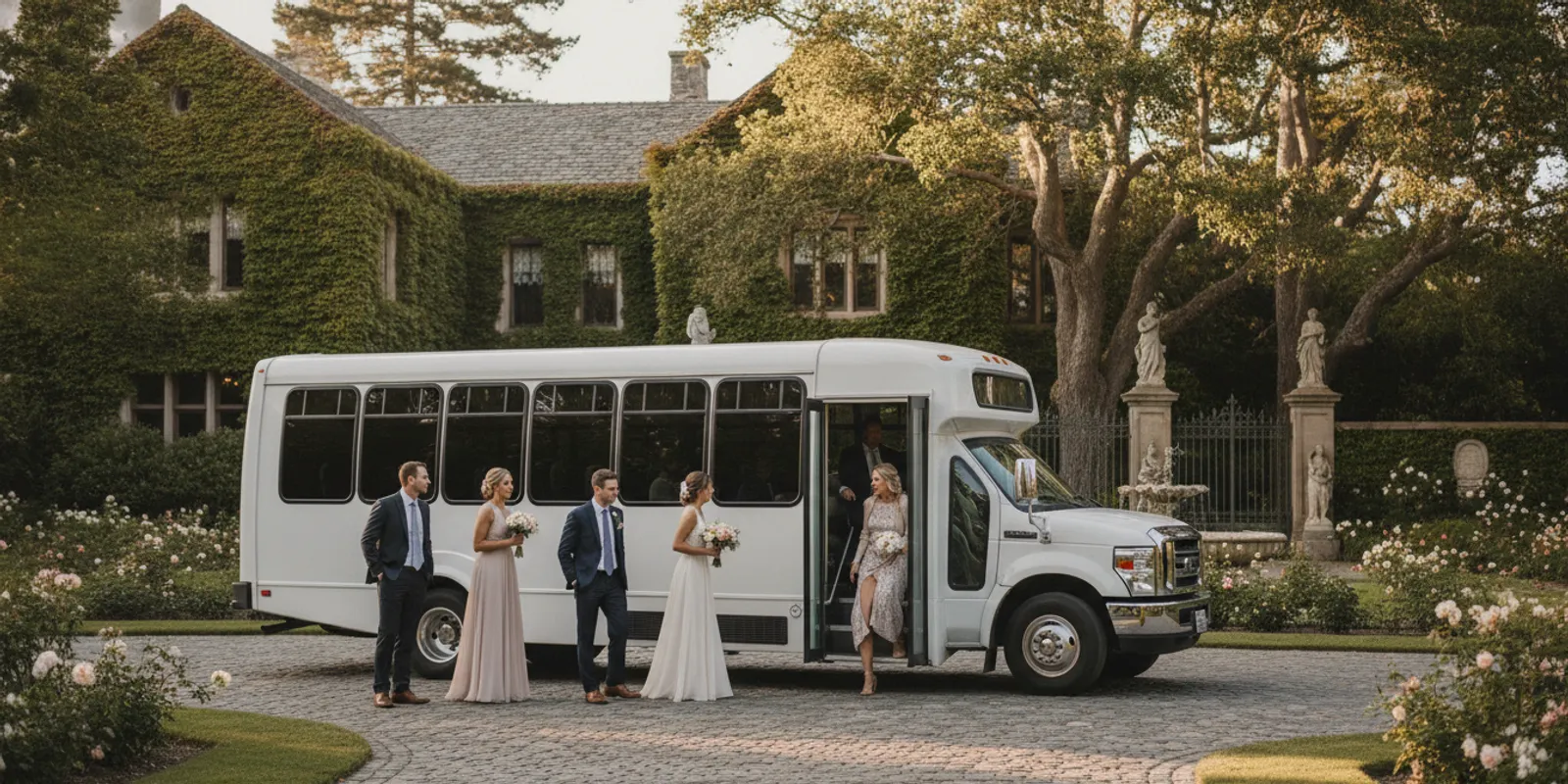
Wedding guests boarding a shuttle outside a Bay Area venue

Request a Quote

What should a three-stop wedding itinerary include?

A useful itinerary identifies the people, places, sequence, and timing for every movement. Treat it as an operating brief, not just a list of addresses.

For a typical three-stop day, the locations might be a hotel or gathering point, the ceremony, and the reception. Some couples instead need a photo stop between ceremony and reception. Write the actual sequence in full and confirm whether each location is a pickup, a drop-off, a wait, or a return trip. If the plan includes several passenger groups, show the movement of each group separately.

Include the following in the handoff:

  • Wedding date, event name, and the best day-of contact.
  • Full street addresses for all stops, plus venue entrance or loading-area instructions.
  • Requested arrival and departure windows, not only the ceremony start time.
  • Estimated passenger counts for each leg and a note if those counts change.
  • Who rides on each trip, such as the wedding party, family members, or other guests.
  • Known mobility, luggage, child-seat, or other boarding considerations to confirm in advance.
  • Where the vehicle should wait, if waiting is part of the plan, and where it can safely load.
  • A backup contact and the method to use for urgent day-of updates.

Make the itinerary readable on a phone, but keep one controlled master copy. A short reference such as “Stop 2” is not enough on its own; pair it with the venue name, full address, and the correct entrance. For group options and vehicle planning, review the fleet information and wedding shuttle transportation guide as you prepare your brief.

How should you sequence the three stops?

Sequence the day around the people who must arrive on time, then test the route against real venue logistics. The shortest map route is not always the simplest transportation plan.

Start by identifying any fixed-time moments: ceremony start, venue access windows, photography appointments, and reception opening. Work backward from those moments to set pickup and arrival windows. A group should arrive with enough time to walk from the loading point, gather, and enter the venue. Do not schedule the vehicle to arrive at the exact minute the ceremony begins.

Next, check the order of the three locations. If the ceremony and reception are at different venues, decide whether guests travel as one group or whether some passengers need a separate trip. If there is a photo stop, clarify whether passengers stay aboard, get dropped off, or meet the group at another location. That choice affects timing and the number of movements to coordinate.

For each leg, record:

  1. Who is traveling and the expected number of passengers.
  2. The exact pickup point and a clear landmark or entrance.
  3. The planned departure window and the time the group needs to be at the destination.
  4. Whether the vehicle is expected to wait or return later.
  5. The name and mobile contact for the person who will be present.

Confirm the route with venues rather than assuming a familiar-looking entrance is available for loading. Ask about traffic controls, event-day access, parking restrictions, and any instructions for larger vehicles. For a broader event-transportation checklist, see the event shuttle planning guide and the charter bus planning guide.

How much time should you allow between stops?

Build time around the whole passenger movement, not just the drive. A realistic window accounts for loading, traffic, walking, venue access, and the possibility that a group is not ready at the first announced minute.

There is no universal buffer that fits every wedding route. A short trip can still take longer when a venue has a busy driveway, a narrow loading area, or a long walk to the ceremony space. A longer route may need a more cautious arrival window when it crosses busy parts of the Bay Area or depends on a specific arrival time. Ask the transportation provider to review the route and timing, then confirm the plan with each venue.

Use a simple timing table to expose gaps before the day:

Planning item What to decide What to put in the handoff
Pickup When should passengers be ready? Ready time, exact meeting point, group lead
Travel What route and time window should be planned? Destination, requested arrival window, known access notes
Venue arrival How much time is needed to unload and reach the event? Loading entrance, walking or check-in instructions
Stop or wait Does the vehicle wait, return, or continue elsewhere? Specific instruction, expected duration, responsible contact
Contingency Who decides what to do if timing changes? Decision-maker and approved day-of communication method

Use the table to test two versions of the plan: the expected schedule and a modestly delayed schedule. For example, ask what happens if guests take longer to board after the ceremony, if the photo session runs over, or if a venue cannot accept an early arrival. The purpose is not to predict every delay. It is to agree in advance which time is fixed, which part can move, and who can authorize a change.

Check whether the same person can realistically coordinate each transition. If the couple is taking photos while guests are loading, name a separate group lead who can confirm the headcount and communicate when passengers are ready. If the next venue has a strict arrival window, tell the provider and venue contact rather than treating the trip as an ordinary transfer. If the timing has flexibility, say so explicitly. Clear priorities make it easier to discuss alternatives without asking the driver or guests to guess.

For a multi-vehicle or repeated shuttle arrangement, map each departure and return in sequence. Identify which group rides first, where remaining guests wait, and when the next movement begins. Confirm whether the schedule depends on a vehicle returning from another stop, and ask what happens if that return is delayed. These questions are especially useful when reception arrival, a formal entrance, or another event moment depends on a group arriving together.

Keep a distinction between a scheduled departure and a “ready to depart” expectation. Guests may interpret a time differently if they do not know whether it means be at the curb or start boarding. State it plainly, share it with the group, and identify who will make the final headcount. If the event includes multiple trips, avoid scheduling one trip to depend on a previous leg that has no recovery time.

How do you make pickup points clear to guests?

Give guests one specific meeting point per pickup, plus a named person who can help them find it. Clear instructions reduce the chance of a group gathering at the wrong door or blocking an active driveway.

Venue names alone can be ambiguous, especially at hotels, campuses, and properties with multiple entrances. Confirm the exact entrance with the venue and describe it in ordinary language: for example, the main lobby doors facing a named street, or the designated loading area shared by the venue. Do not publish a pickup instruction until someone has verified that it is permitted and usable for the planned vehicle.

Send guests a concise note with the date, pickup time, meeting point, destination, and contact for questions. If a guest needs assistance, arrange the meeting point and boarding plan in advance rather than expecting them to find the vehicle in a crowd. Share only the information guests need; keep the working itinerary and personal contact details with the people responsible for the event.

For a larger passenger group, consider whether one shuttle movement or a larger group vehicle best fits the event’s timing and passenger count. The bus and shuttle comparison guide explains planning differences, while the group motor coach information can help you frame questions about a larger group trip.

What passenger and vehicle details should you confirm?

Confirm the passenger count and the needs of the group before choosing a transportation setup. A headcount should describe who is traveling on each leg, not just the total number of people invited to the wedding.

Separate the wedding party, immediate family, and general guests if their schedules differ. Note whether anyone will bring mobility equipment, luggage, gifts, or other items that affect boarding or space. Tell the provider what needs to be accommodated and ask what vehicle configuration is appropriate; do not assume that a vehicle described as suitable for a group will fit every passenger need or piece of equipment.

Use this checklist when discussing vehicle fit:

  • Passenger count by trip, including children and accompanying adults.
  • Any mobility or boarding requirements that should be planned in advance.
  • Whether passengers carry bags, formalwear, flowers, or event supplies.
  • Whether all passengers travel together or need separate pickup times.
  • Comfort and amenity needs for the length of the planned ride.
  • Whether a shuttle loop, a point-to-point trip, or an hourly arrangement suits the schedule.

Compare the proposed vehicle and service arrangement against the actual route, loading area, and schedule. Read the charter bus basics and motor coach pricing factors to see what details to have ready when comparing options. These are planning references, not a substitute for confirming capacity, access, or pricing for your specific event.

Who should own the itinerary handoff?

Choose one transportation lead to send the confirmed itinerary and one backup contact for the wedding day. A single owner gives the provider a clear place to confirm details and helps prevent conflicting updates from several well-meaning people.

The transportation lead may be a planner, coordinator, or another person authorized by the couple. Their role is to consolidate information, not to personally solve every change. Give the lead authority to confirm operational details and make sure the couple, wedding party, and venue teams know who is handling transportation questions.

Use a practical handoff sequence:

  1. Collect addresses, entrance instructions, timing, passenger counts, and special requirements.
  2. Resolve conflicting versions with the couple and venues before sending the final plan.
  3. Share one dated itinerary with the provider and ask them to confirm receipt.
  4. Distribute guest-facing pickup instructions separately, using only confirmed details.
  5. Set a cutoff for routine edits and a direct method for urgent day-of changes.
  6. Keep a backup copy accessible to the lead and backup contact.

When a detail changes, send the update to the provider and the affected venue or passenger lead. State what changed and what remains the same. Avoid relying on a message in a large group chat as proof that the transportation team received a revised pickup time.

What should you ask before requesting a quote?

A useful quote request gives the provider enough detail to respond to the actual wedding schedule. It should include the date, every stop, time windows, passenger counts, vehicle considerations, and whether you need a one-way transfer, multiple movements, or service across a defined period.

Ask about the points that could change the plan or price, including the minimum booking period if applicable, wait time, overtime, route changes, cancellation terms, and what happens if the schedule shifts. Request that the proposed itinerary and service assumptions are written down so you can compare like with like. Costs vary by the service arrangement and trip details; do not rely on a generic estimate as a confirmed quote.

For a starting point on quote details, review shuttle service quote considerations and the charter bus rental cost guide. For event-specific planning, the group event transportation guide offers another checklist to adapt to your passenger movement. The Federal Motor Carrier Safety Administration provides federal motor carrier safety information; use the relevant official resources when you need to understand carrier safety requirements, and confirm the provider’s applicable credentials directly.

When the itinerary is ready, send it with your questions through Epic Limousine’s contact and quote page. For a simple, clear request, put the date and trip summary in the message and attach or paste the itinerary details.

Request a Quote

Frequently asked questions

When should we share the itinerary with the transportation provider?

Send the core plan as soon as the locations, timing, and passenger groups are stable enough to review. Update it when a venue or schedule detail changes, and ask the provider to confirm receipt of the final version before the event.

Should the couple or planner be the day-of contact?

Use whichever person can make or relay transportation decisions without distracting the couple. Name that person in the itinerary and provide a backup contact who understands the plan.

What if our passenger count is not final?

Share the best current estimate, explain what is still uncertain, and set a date to confirm the count. Break the estimate down by trip where possible, since different passenger groups may travel at different times.

Do we need separate pickup instructions for guests?

Yes, when guests need to find a particular meeting point. Keep the guest message short and specific, and make sure it matches the confirmed itinerary and venue access instructions.

What if the ceremony or reception schedule changes?

Have the designated transportation lead contact the provider using the agreed day-of method. Share the new timing, the affected stop or passenger group, and any decision about waiting or changing the route.

Can a three-stop day use one transportation arrangement?

It depends on passenger counts, route, timing, and whether the group needs the vehicle to wait or make separate trips. Include those details in the quote request so the provider can discuss an arrangement that fits the actual itinerary.

Plan your wedding transportation with a confirmed handoff

A reliable three-stop plan starts with confirmed addresses, realistic arrival windows, clear passenger assignments, and one person responsible for updates. If you are comparing wedding transportation services in the Bay Area, send the itinerary and ask the provider to confirm the route, service assumptions, and day-of contact plan.

Request a Quote

With one shared plan and clear responsibilities, your guests and event team can focus on the celebration instead of sorting out transportation details.