Irwan Tio

Moscone Center conference shuttle planning

A conference shuttle moves attendees among hotels, Moscone Center, airports, and off-site functions on a coordinated schedule. Effective planning aligns fleet capacity, routing, staging, dispatch, and attendee communications with the conference agenda. Epic Limousine helps planners manage San Francisco traffic, venue access requirements, and real-time service adjustments.

For a corporate conference planner, transportation is an operational system rather than a collection of individual rides. Every vehicle movement must support registration windows, general sessions, breakouts, hosted events, and executive itineraries without creating avoidable queues or uncertainty for attendees.

Why Moscone Center conference shuttle planning is different

Moscone Center shuttle operations require precise coordination across three buildings, congested SoMa streets, controlled loading zones, and high pedestrian volumes. Conference planners must align venue access, city traffic restrictions, hotel room blocks, and peak arrival waves before service begins to protect both the agenda and attendee experience.

Account for a three-building campus

Moscone North, South, and West span several city blocks. A complete operating plan identifies the correct building and approved curb position for every arrival rather than treating Moscone Center as one stop. Epic Limousine can connect hotel room blocks with the appropriate entrance through its convention shuttle services, reducing unnecessary walking and cross-campus confusion.

Arrival patterns also change during the day. Morning movements may concentrate at registration, while later movements split among breakout sessions, hotels, and hosted functions. Published conference transportation instructions illustrate why planners should give attendees clear venue and travel details before arrival.

Coordinate controlled access

Major San Francisco events may operate under formal exclusion zone procedures. Approved routes, vehicle screening, temporary closures, and police direction can affect where a vehicle may stage or enter. Epic Limousine coordinates with venue and security contacts so chauffeurs receive current access instructions before each service period.

That coordination is also part of responsible large-event operations. Transportation plans should minimize blocked curbs, unnecessary idling, and conflicts with emergency or public transit access. Public guidance on reducing the burden on local services reinforces the value of disciplined routing and staging.

Scale capacity by movement window

Total registration does not determine fleet size by itself. Planners need the number of attendees expected to travel within each movement window, the distribution by hotel, and the required arrival time. Epic Limousine uses those inputs to recommend an appropriate combination of sedans, SUVs, vans, shuttle buses, and motor coaches.

For high-volume movements, planners can rent a shuttle for a business conference and combine larger vehicles with smaller units assigned to speakers or exceptions. Available corporate bus rentals and charters may include Wi-Fi, power ports, and climate control, allowing attendees to remain productive between conference locations.

How to build a conference shuttle plan

Build a conference shuttle plan by forecasting demand and selecting an appropriately sized fleet. Then map primary and contingency routes, establish departure intervals, confirm venue access, and staff each staging point. Epic Limousine integrates these operating details into a coordinated transportation plan that supports the conference agenda.

Translate the agenda into demand

Begin with the master agenda, registration forecast, hotel pickup report, and VIP itinerary. For each service period, calculate how many passengers must arrive by a defined time and where they originate. Separate mandatory movements, such as a hosted dinner departure, from optional movements, such as a continuous hotel loop.

Demand should be modeled by peak window rather than by daily average. If 600 attendees must arrive within 45 minutes, the fleet plan must account for vehicle capacity, loading time, round-trip duration, and a reasonable operating buffer. This calculation is more reliable than simply dividing total attendees by bus seats.

Map the complete operating cycle

Each route plan should document pickup positions, drop-off positions, run time, dwell time, turnaround path, contingency route, and any vehicle-specific restrictions. A motor coach may require a different path or staging position than a sedan. Epic Limousine applies 14 years of local operating experience when assessing these constraints.

Assign operational ownership

Identify who can authorize a schedule change, dispatch a reserve vehicle, communicate with venue security, and update attendees. Epic Limousine helps planners organize transportation for a corporate event with defined dispatch and field coordination. Clear decision rights prevent minor disruptions from escalating into missed program elements.

  1. Confirm passenger forecasts. Reconcile registration records and hotel room blocks by movement window.
  2. Select the fleet mix. Match vehicle capacity and service level to each attendee group.
  3. Validate routes. Document primary and contingency paths, curb positions, and access restrictions.
  4. Set departure intervals. Use round-trip time and peak demand to establish a sustainable cadence.
  5. Build recovery time. Include realistic operating buffers without relying on them to correct an undersized fleet.
  6. Staff staging positions. Place informed coordinators where passenger volume or route complexity warrants support.
  7. Issue a final run of show. Give dispatchers, chauffeurs, planners, and venue contacts one controlled operating document.

Choose the right shuttle model for your event

Choose continuous loops for high-volume hotel transfers, scheduled departures for fixed off-site functions, and dedicated on-demand vehicles for executives, speakers, or VIPs. The right operating model balances passenger demand, agenda timing, venue access, service expectations, and budget while preserving reliable departure intervals throughout the conference.

Continuous loops for variable demand

A continuous loop is appropriate when attendees can arrive within a broad window and passenger demand remains steady. Vehicles circulate between defined hotel stops and Moscone Center at published intervals. The model gives attendees flexibility, but it requires active dispatch oversight to maintain spacing and prevent multiple vehicles from bunching together.

Scheduled departures for fixed functions

Scheduled service is better for dinners, tours, receptions, and other functions with a firm start time. Planners assign a departure time and often a vehicle or route to each attendee group. The plan should include boarding time, final sweep procedures, and a decision rule for late passengers so the program remains on schedule.

Dedicated service for critical itineraries

Speakers, executives, and VIP delegations often need dedicated vehicles because their schedules, privacy requirements, or luggage profiles differ from the general attendee movement. A dedicated assignment protects critical arrival windows and gives dispatchers a direct way to accommodate approved itinerary changes without disrupting a larger shuttle loop.

Shuttle model Best use Primary control Planning priority
Continuous loop Hotel-to-venue transfers Departure interval Monitor demand and vehicle spacing
Scheduled departure Off-site dinners and tours Published departure time Allow sufficient boarding time
Dedicated transfer VIPs and speakers Individual itinerary Protect privacy and critical timing

Plan routes, timing, and attendee communications

Effective conference shuttle operations combine traffic-informed routes, realistic run times, scheduled recovery buffers, clearly marked staging areas, and concise attendee instructions. Planners should publish pickup locations and departure intervals before the event, then maintain direct communication among dispatchers, chauffeurs, venue personnel, and transportation coordinators during service.

Design executable routes

Route design must account for one-way streets, turning constraints, vehicle height, temporary closures, loading restrictions, and safe passenger access. Epic Limousine evaluates these variables when planning Bay Area business event transportation. Every primary route should have a documented contingency path and a trigger for using it.

Build a defensible timetable

A timetable begins with the required arrival time and works backward through unloading, travel, boarding, and staging. For loops, calculate the full round trip and set a departure interval the fleet can sustain. Planners often target 15- to 20-minute departures during peak periods, then adjust capacity as demand changes.

Operating buffers should reflect known uncertainty, not arbitrary padding. Track actual run times during service and compare them with the plan. If congestion consistently extends a route, dispatch can adjust the interval, deploy reserve capacity, or use the approved contingency route.

Give attendees actionable instructions

Attendee communications should state the pickup location, route name, operating window, expected departure interval, accessibility contact, and what to do after the final scheduled departure. Use the same route names and location descriptions in the event app, hotel signage, printed materials, and staff briefing.

At high-volume positions, a transportation coordinator should verify vehicle identity, manage the queue, and communicate changes. That visible operational presence reduces uncertainty and gives dispatch accurate information about demand at the curb.

What affects a conference shuttle quote?

A conference shuttle quote reflects passenger volume, vehicle mix, service hours, route mileage, staging constraints, dates, and special operating requirements. Providing Epic Limousine with a detailed agenda, hotel room blocks, peak movement windows, accessibility needs, and VIP itineraries enables a more precise fleet plan and cost estimate.

Passenger volume and fleet mix

The passenger forecast determines how many seats must be available in each operating window. Epic Limousine offers vehicles with capacities ranging from 3 to 56 passengers, allowing planners to combine large motor coaches for primary movements with sedans, SUVs, or vans for smaller groups and critical itineraries.

Fleet selection should consider more than total seats. Loading speed, luggage, accessibility requirements, service expectations, and route restrictions can all affect the appropriate vehicle assignment. A precise forecast helps Epic Limousine recommend sufficient capacity without relying on a one-size-fits-all vehicle plan.

Route and service requirements

Route mileage, service duration, dwell time, staging restrictions, and the number of pickup points influence the operating plan. A short route with constrained curb access may require more coordination than a longer point-to-point transfer. Epic Limousine reviews the complete service cycle before preparing a quote.

Dates and special requests

Event dates, service hours, and demand in the Bay Area affect vehicle and chauffeur availability. Early-morning, late-night, airport, and multi-day requirements should be disclosed at the beginning of planning. Planners should also identify accessibility needs, onboard amenity requests, branded signage, and other special operating requirements.

Epic Limousine does not need a perfect manifest to begin planning, but the initial request should clearly distinguish confirmed facts from estimates. Updated forecasts can then be incorporated at agreed planning milestones before the final transportation run of show is issued.

Your event-day conference shuttle checklist

Before event-day service, confirm final passenger counts, vehicle assignments, chauffeur manifests, route maps, loading zones, dispatch contacts, signage, and contingency procedures. During peak arrival and departure waves, transportation coordinators should monitor demand, communicate changes promptly, and deploy reserve capacity when queues or schedule disruptions develop.

Complete the final operational review

In the final week, reconcile passenger forecasts with registration and hotel data. Confirm every pickup position, operating window, vehicle assignment, access credential, and field contact. Epic Limousine and the planner should review the same controlled version of the run of show so outdated instructions do not circulate.

  • Confirm route maps, loading zones, and approved contingency paths.
  • Verify vehicle assignments, chauffeur call times, and dispatch contacts.
  • Place route-specific signage and brief hotel and venue personnel.
  • Distribute attendee instructions through every approved communication channel.
  • Define escalation thresholds for queues, delays, and added passenger demand.

Monitor service in real time

During operation, field coordinators should report passenger counts, vehicle departures, queue length, and access changes to dispatch. Dispatch should maintain the master view of fleet position and schedule adherence. When conditions change, Epic Limousine can implement the agreed response while the planner communicates attendee-facing updates.

Manage departure waves

Conference close creates a concentrated departure wave that often requires a different fleet posture than morning arrivals. Stage vehicles only where authorized, organize queues by route, and keep a reserve option available for unexpected demand. A structured departure plan protects the final attendee impression of the event.

Frequently Asked Questions

Conference planners commonly ask how to reserve service, coordinate airport transfers, protect speaker itineraries, and manage attendee wait times. The answers below explain the operating information Epic Limousine needs, available vehicle options, and planning measures that support reliable conference transportation throughout San Francisco.

How do you book a shuttle bus service for a conference?

Book a conference shuttle by giving Epic Limousine the venue, hotel room blocks, service hours, attendee forecast, and required service levels. Epic Limousine then develops the fleet plan, routes, departure schedule, and staging approach. Confirm the operating plan early so the appropriate vehicles and professional chauffeurs remain available.

Are shuttle bus services available for airport to hotel transfers?

Yes, Epic Limousine provides scheduled and on-demand airport-to-hotel transfers for conference attendees. Planners can coordinate arrivals by flight window, hotel room block, or attendee group. A consolidated manifest and designated airport meeting points support efficient dispatch and clear attendee communications.

Can I arrange private bus rentals for speakers?

Yes, planners can arrange private vehicles for speakers, executives, and VIP delegations. Epic Limousine can assign sedans, SUVs, vans, or buses according to party size, luggage, privacy, and itinerary requirements. Dedicated transfers protect critical arrival windows and provide a controlled environment between engagements.

How long do conference attendees wait for a shuttle?

Attendee wait times depend on fleet capacity, dispatch intervals, route conditions, and demand peaks. For high-volume conference periods, planners often target departures every 15 to 20 minutes and add vehicles when demand rises. Real-time dispatch coordination and clear staging instructions help keep queues moving.

Request a conference shuttle quote

Request a conference shuttle quote after compiling the agenda, attendee forecast, hotel room blocks, route requirements, service hours, and VIP movements. Early coordination gives Epic Limousine time to reserve the appropriate fleet, assess Moscone Center access, design reliable schedules, and prepare contingency capacity for the conference.

Contact Epic Limousine to discuss the operating requirements for your Moscone Center conference. A detailed initial brief allows Epic Limousine to recommend a fleet and service model aligned with your agenda, passenger demand, and attendee experience standards.

Event Transportation for Large Bay Area Groups

Moving a large group across the San Francisco Bay Area is not simply a matter of reserving enough seats. Successful event transportation connects the guest list, venue rules, traffic patterns, vehicle mix, and day-of communication in one practical plan. A well-built plan helps attendees arrive together, gives organizers fewer moving parts to manage, and keeps the experience polished from the first pickup through the final return trip.

Request your event transportation quote or call 415-366-4440 to discuss your Bay Area group, itinerary, and vehicle needs.

Epic Limousine is a family-owned Bay Area transportation company that has served groups since 2012. Its fleet ranges from luxury sedans to 56-passenger motor coaches, allowing planners to build a coordinated solution around the event rather than forcing every guest into the same travel pattern.

Start event transportation planning with the guest journey

Begin by tracing the trip from each guest’s point of view. Where will attendees be before the event? When must they arrive? Where can they safely board? What happens after the final session, dinner, or celebration ends? These questions expose gaps before they turn into curbside confusion.

For a conference, the journey may begin at San Francisco International Airport, Oakland International Airport, or several downtown hotels. A wedding may require separate pickups for the wedding party and guests, followed by late-night returns. A company event might connect an office, an off-site venue, and an after-party. Each pattern needs a different route and vehicle plan.

Build a transportation manifest

Create one working manifest with passenger counts, pickup groups, contact details, accessibility needs, and luggage estimates. Separate confirmed passengers from tentative guests. If attendees are arriving by air, include flight numbers and arrival windows so the plan accounts for realistic baggage and boarding time.

Assign one owner to update the manifest. Multiple versions circulating among vendors and planners can create mismatched counts. Set a firm date for the final count, while also discussing how late changes will be handled.

Map every pickup, stop, and return

List each location with a street address, desired arrival time, loading instructions, and on-site contact. A useful itinerary distinguishes between the time a vehicle arrives, the time boarding begins, and the time it must depart. This detail matters when a group must clear security or walk from a hotel lobby to a designated bus zone.

Ask venues to confirm loading areas early. A motor coach may not be able to use the same entrance as a sedan. Downtown San Francisco streets, private campuses, wineries, and waterfront venues can each have distinct access rules. Epic Limousine’s corporate event transportation service can help planners evaluate these operational details.

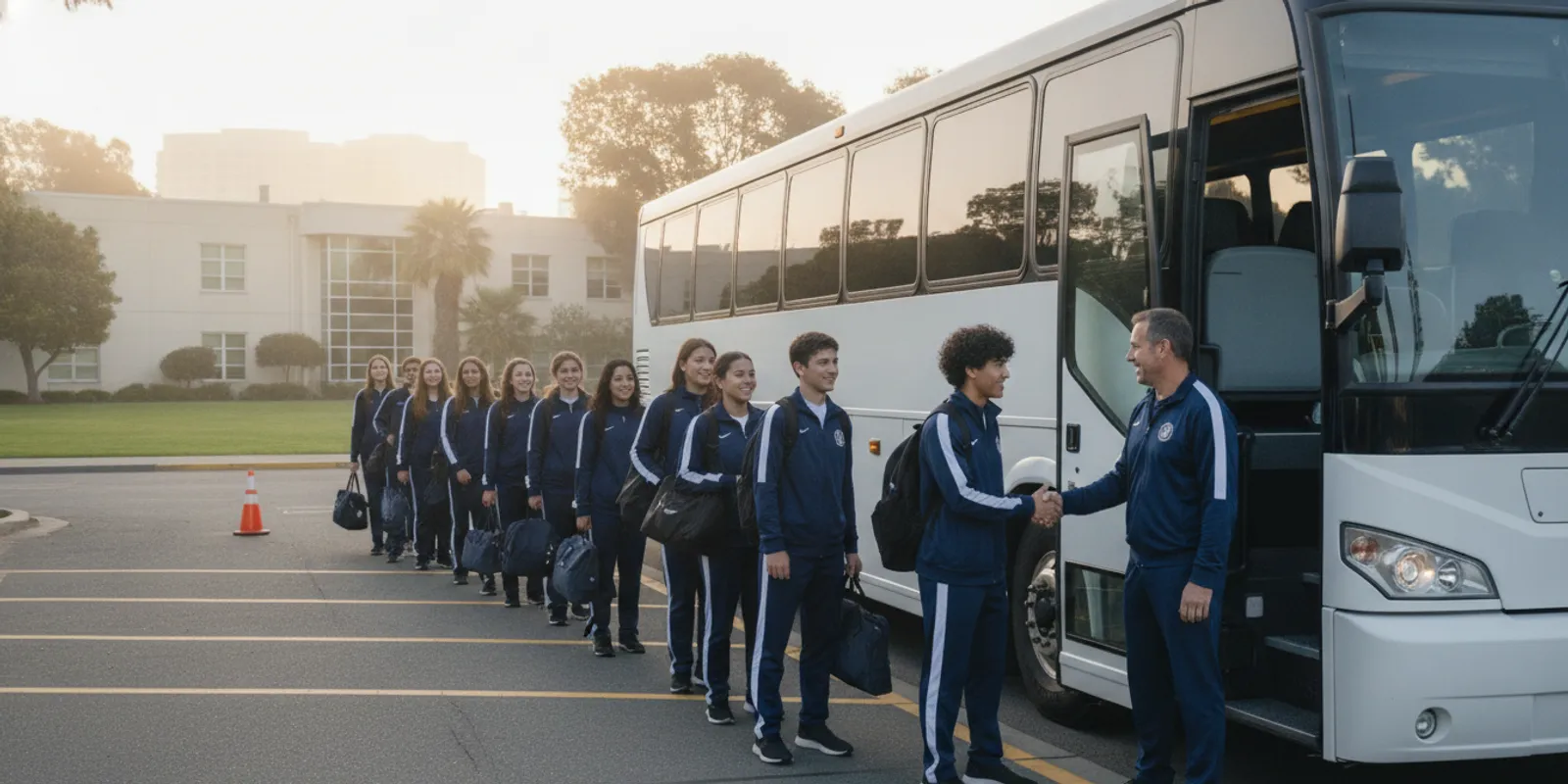
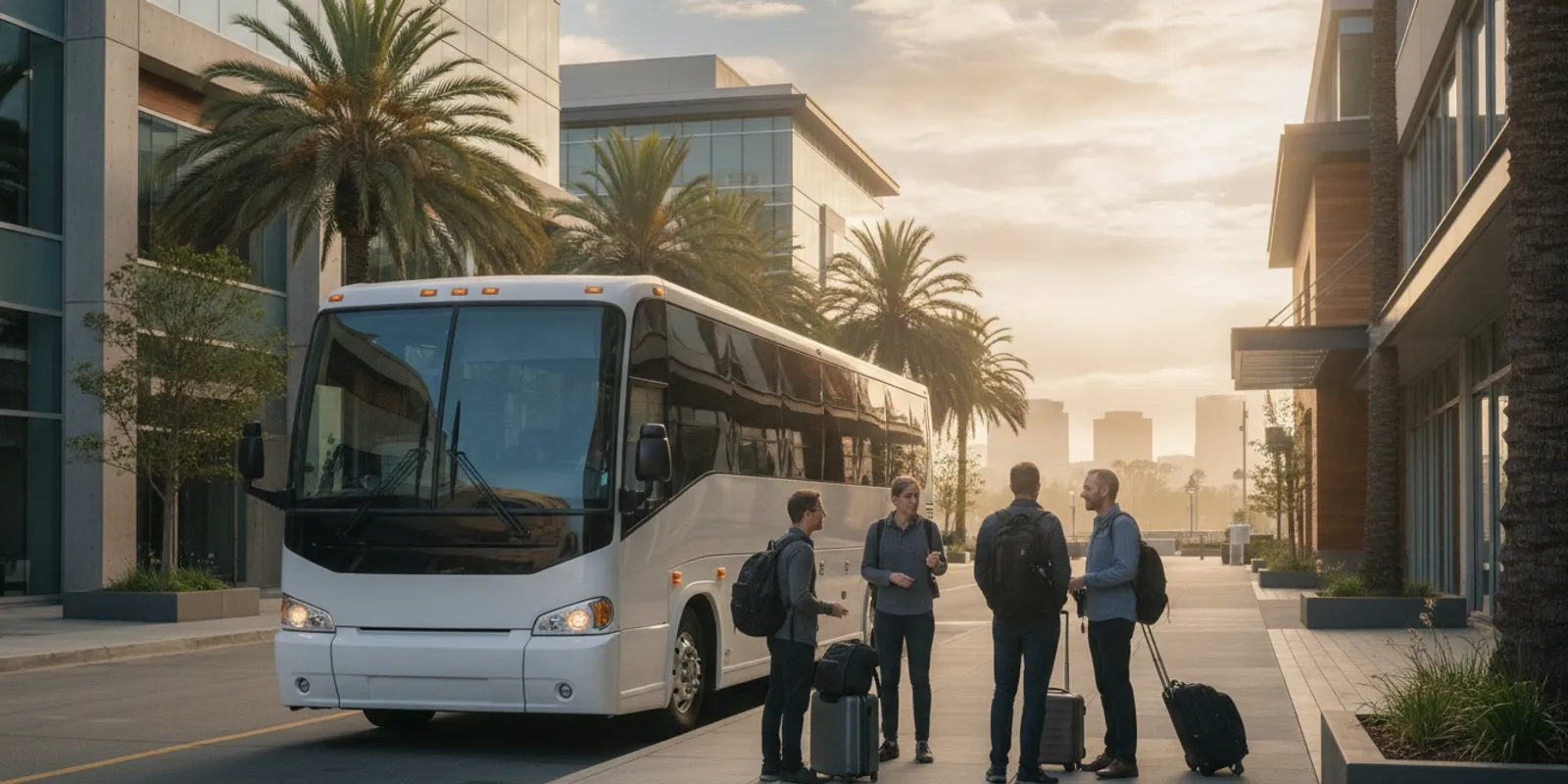
Motor coaches staged for coordinated Bay Area event transportation

Choose vehicles around group size and event flow

The best vehicle plan is rarely based on passenger capacity alone. A single full-size coach can be efficient for one large group moving together. Several smaller vehicles may work better when guests arrive in waves, use different hotels, or need staggered returns. The goal is to support the event schedule without creating unnecessary trips or idle time.

Match capacity to real passenger needs

Passenger count is the starting point, but planners should also account for luggage, mobility needs, equipment, and comfort. Airport transfers require more cargo space than a short hotel-to-venue shuttle. An executive group may prioritize a more private vehicle, while a large conference audience may benefit from motor coaches.

Epic Limousine offers vehicles from luxury sedans through 56-passenger coaches. Its corporate event bus rental options give planners room to select a fleet that fits the actual itinerary. Avoid filling every vehicle to its theoretical limit, since a small capacity buffer helps accommodate late additions.

Decide between continuous shuttle and scheduled departures

A continuous shuttle loop works well when guests arrive over a broad window and the route is short. Scheduled departures are often clearer when the group must reach a program at a precise time. For long distances or multiple stops, a timed route usually gives organizers better control.

Service pattern Best fit Planning priority
Continuous loop Short routes with flexible arrivals Frequent service and clear pickup points
Scheduled departures Programs with fixed start times Firm boarding and departure times
Staggered returns Receptions and evening events Early, main, and final departure options
Multi-route service Several hotels or pickup zones Named routes and route-specific manifests

Return service deserves equal attention. Guests may leave a reception or corporate gathering at different times. A planned early return, main return, and final sweep can provide flexibility without leaving vehicles running without purpose.

Account for Bay Area traffic and venue logistics

Bay Area event transportation planning requires local judgment. Traffic can change sharply by time of day, and a short distance on a map may cross a bridge, pass a stadium, or move through a dense downtown corridor. Build the schedule around realistic travel conditions rather than ideal drive times.

Use buffers that match the route

A transfer between SFO and downtown San Francisco needs time for airport pickup procedures and changing freeway traffic. A route crossing the Bay Bridge needs a different buffer than a short transfer within one neighborhood. Trips to wine country should consider both distance and the timing of venue appointments.

Ask the transportation provider to review the route at the same time of day and day of week as the event. Also check for major games, concerts, conventions, street closures, and festivals. These factors can change staging access and increase travel time even when the route itself remains open.

Confirm curb access and staging

Large vehicles need a safe place to load without blocking traffic or forcing guests to cross busy streets. Work with each venue to identify the correct entrance, waiting area, and staging instructions. If curb space is limited, organize guests indoors and release them only when the vehicle is ready.

Share loading information with guests in advance. A clear message should include the pickup location, boarding time, vehicle description, and organizer contact. For groups using several hotels, name each route or vehicle so guests can quickly identify the correct departure.

Professional chauffeur coordinating guest boarding for event transportation

Build a timeline that protects the event schedule

A reliable transportation timeline works backward from the moment guests must be inside the venue. Include unloading, walking time, check-in, security, and a practical buffer. If a keynote starts at 9:00 a.m., a coach arriving at the curb at 8:58 a.m. is late even if the drive itself stayed on schedule.

Separate arrival time from program time

Define the required venue arrival time first. Then calculate departure time using the provider’s route estimate, boarding duration, and buffer. Tell guests when boarding opens and when the vehicle leaves. Clear deadlines reduce delays caused by people arriving at the pickup point at the final minute.

Create a day-of communication chain

Name one lead planner and one backup who can make decisions. Provide their mobile numbers to the transportation team. For complex events, assign a greeter at major pickup points and a coordinator at the venue. This structure prevents drivers from receiving conflicting instructions from several people.

Use a group text, event app, or email update for guest-facing notices. Messages should be brief and operational. If a departure point changes, send the exact new location and effective time instead of a vague warning.

What affects an event transportation quote?

Epic Limousine uses quote-based pricing because every large-group itinerary is different. A useful quote reflects the operating plan, not just the number of seats. Providing complete details early helps the transportation team recommend the right fleet and prepare a more accurate scope.

Key quote variables

  • Vehicle type and quantity: The number and size of vehicles needed for each movement.
  • Service duration: Pickup windows, event hours, waiting time, and return schedule.
  • Route and mileage: Travel distance, multiple stops, and any repositioning between trips.
  • Staging and parking: Venue access, parking arrangements, and loading requirements.
  • Passenger requirements: Luggage, accessibility needs, and special group considerations.

Share the complete itinerary when requesting a quote, including any uncertain details. A provider can explain which choices affect the plan and where flexibility may simplify service. Do not rely on fabricated flat rates or assume two events with the same guest count will cost the same.

Request a custom quote from Epic Limousine or call 415-366-4440 with your date, group size, and route.

Keep large-group transportation coordinated on event day

On event day, the plan should be easy for every participant to follow. Send a final transportation brief to staff, venue contacts, and the provider. Include the latest itinerary, route names, passenger counts, phone numbers, and a clear escalation path.

Run a short pre-event check

Use this final sequence before the first vehicle moves:

  1. Confirm pickup locations, loading rules, and venue access with every site contact.
  2. Verify passenger counts, accessibility needs, route names, and departure windows against the current manifest.
  3. Make sure greeters know where vehicles will stop and how guests will identify the correct route.
  4. Confirm the lead planner, backup contact, and transportation provider have the same final itinerary.

This brief check catches small mismatches while there is still time to correct them. If the event has several routes, verify that signs and staff instructions use the same names as the manifest.

Prepare for changes without improvising

Flights can be delayed, programs can run long, and traffic can affect departure times. Discuss likely changes with the provider before the event and agree on who can approve adjustments. A defined process is faster and safer than having guests or staff give drivers individual requests.

How should you evaluate an event transportation provider?

Choose a provider that can explain how it will operate the trip, not one that only lists vehicle sizes. Ask about fleet fit, chauffeur standards, communication, local route knowledge, and how the team handles changes. A clear planning process is a strong sign that the provider understands the stakes of a large event.

Epic Limousine is family-owned, has served the Bay Area since 2012, and maintains a 4.9-star reputation. Its professional chauffeurs and broad fleet support corporate, academic, tourism, and special-event groups. Explore its tourism and special-event transportation options for additional group travel needs.

Frequently asked questions about event transportation

How far in advance should I book event transportation?

Start planning as soon as the venue and expected guest count are known. Early planning provides more vehicle options and gives your team time to confirm routes, loading areas, and airport arrival details. Peak dates and complex multi-stop plans benefit most from an early start.

How much does event transportation cost for a large group?

Pricing depends on vehicle type, passenger count, service hours, route distance, stops, parking, and staging requirements. Epic Limousine prepares custom quotes rather than publishing a fabricated one-size-fits-all rate.

What information is needed for an event transportation quote?

Share the event date, passenger count, pickup and drop-off locations, schedule, number of stops, luggage needs, accessibility needs, and an on-site contact. Note any details that are still tentative so the provider can explain how changes may affect the plan.

Can one provider coordinate several Bay Area pickup locations?

Yes. A provider can design a coordinated plan for hotels, airports, offices, venues, and other pickup points. The best route structure depends on passenger groups, timing, vehicle access, and the event’s required arrival time.

Plan a polished arrival for every guest

Thoughtful event transportation supports the entire guest experience. When routes, vehicles, timing, and communication work together, planners can focus on the event instead of solving curbside problems. Epic Limousine can build a quote-based Bay Area transportation plan around your group and schedule.

Request your event transportation quote or call 415-366-4440 to start planning.

Best Wedding Transportation Options for Bay Area Guests

Successful Bay Area weddings depend on a solid plan for moving guests between city hotels and remote venues. Traffic delays and limited venue parking can disrupt the schedule, while an expert shuttle service keeps your wedding guests together and moving according to plan.

Request a wedding transportation quote from Epic Limousine or call 415-366-4440 to start planning your guest routes.

The best wedding transportation options for Bay Area guests include charter buses for large groups, minibuses or executive sprinters for flexible routes, and limousines or party buses for the wedding party. Match the vehicle to guest count, venue access, pickup locations, and the timeline.

Choosing the right vehicle for your guest list and venue is the first step toward a seamless wedding day. The guide below compares the main options and explains how to build a practical plan.

The best wedding transportation options for Bay Area guests

Choosing the right way for guests to get to your venue is a big part of wedding planning. In the San Francisco Bay Area, this means thinking about city hills, Napa Valley roads, and heavy traffic. Using large shared buses helps reduce total travel time for everyone by keeping more private cars off the road. Planning ahead is key to a smooth day for your family and friends.

Charter buses and shuttles for large groups

If you have many guests staying at one hotel, a charter bus is often the best choice. These large buses can hold up to 56 people, making them great for moving whole groups at once. They give a safe and easy way for guests to get from the hotel to the wedding and then to the party. Using reliable wedding guest shuttle services makes sure that no one gets lost or arrives late because of parking issues.

Charter buses also let guests enjoy the party without worrying about how they will get home. In the Bay Area, where venues can be far apart, a shuttle keeps everyone together and on time. This is mostly helpful for events in the wine country or the hills of San Francisco. Large buses often have air cooling and soft seats to help guests relax. Booking your professional wedding transportation services early is vital, as peak seasons can fill up quickly.

Luxury limousines and party buses for the wedding party

For the wedding party or close family, you might want something more private and upscale. A limousine or a party bus adds a touch of style to the day. These options offer a nice space to relax or party while moving between spots. A premium wedding limo service gives a high level of care and comfort that makes the trip part of the fun.

Party buses are a top pick for those who want to start the party early. They have more room to move around and often come with sound systems and lighting. While limousines are classic and sleek, party buses give you more space for larger groups. Both options use pro drivers who know the local roads well. This skill helps you stay on track even when the city is busy. A limo also gives the couple a quiet place to breathe between events.

Professional services versus individual rides

Many couples think about letting guests use rideshare apps on their own. While this might seem easy, it can lead to long wait times and high surge rates during busy hours. Pro services offer stable and clear rates through custom quotes. This clears the stress of hidden costs and helps you stay on budget. It also makes sure that a clean vehicle and a pro driver are ready when you need them.

Safety is another big factor when choosing the best wedding transportation options. Pro chauffeurs have background checks and special licenses to keep you safe. Unlike random drivers, these pros are trained to handle large vehicles on narrow Bay Area streets. This focus on safety gives you and your guests peace of mind all through the wedding day. Having one point of contact for all travel makes your job much easier.

Option Best For Max Capacity Top Benefit
Charter Bus Large groups 56 people Total group moves
Shuttle Van Medium groups 14 people Quick local trips
Limousine Wedding party 10 people Style and comfort
Party Bus Fun group travel 24 people Party atmosphere
Wedding guests boarding a luxury shuttle in San Francisco
Shared transportation helps wedding guests arrive together and on schedule.

Why Bay Area wedding transportation needs a local plan

Planning a wedding in the San Francisco Bay Area brings joy but also some tough travel hurdles. From the steep hills of the city to the long roads of wine country, your plan must be solid. Picking the best wedding transportation options means more than just a nice car. It means finding a team that knows the local streets well.

Navigating city hills and tight spaces

San Francisco is famous for its steep streets and sharp turns. These hills can be hard for large buses or long cars to climb. A local plan ensures your driver knows which streets work for your bus. Curb space is also limited in the city. It can be hard to find a spot near well-known venues like City Hall or the Presidio.

When you use professional wedding transportation services, you get drivers who know the best spots. They can find a safe place to stop without blocking traffic or breaking city rules. This care helps keep your day on track. It makes the trip stress-free for you and your guests.

Beating traffic and bridge delays

The Bay Area has some of the busiest roads in the country. Traffic on the Golden Gate Bridge or the Bay Bridge can change fast. A local plan looks at these shifts to pick the best routes. Using shared rides for large groups can help cut down on total travel time by putting fewer cars on the road.

Moving guests in large groups also helps the local area. It puts less strain on the roads and makes the trip better for all. Expert planning is a must to make sure your wedding party reaches the site on time. A custom route plan is a huge help for weddings with more than one venue.

Managing long trips to wine country

Many couples choose to marry in Napa or Sonoma. These spots are pretty, but they are far from the main city. The roads are often narrow and winding. This can make travel slow and tricky. A good plan for wine country should include plenty of time for the drive. It should also have clear stops for your guests.

Providing a shuttle is the best way to handle these long trips. Shuttles keep your group together so no one gets lost on back roads. This also lets guests enjoy the party without worrying about the drive back to the hotel. A local team will know the best paths to reach even the most remote vineyard sites.

How to build a reliable wedding guest transportation plan

A smooth wedding day starts with a solid plan for your guests. Planning travel for a large group is a big task. By using group vehicles, you help reduce the load on local streets. This plan makes the collective travel time much lower for your guests and the locals.

Guest counts and pickup spots

First, find out how many guests will need a ride. Many couples look for reliable wedding guest shuttle services to handle these needs. Check your guest list for anyone who may need extra help, such as those with wheelchairs. Grouping people at one or two main hotels makes the details much easier for the driver.

Think about the best wedding transportation options for your group size. A large motor coach can hold up to 56 people at once. This keeps the whole party together and ensures no one gets lost. It also keeps the day on schedule so the event can start right on time.

  1. Survey your guests to see who wants to use a shuttle instead of driving.
  2. Map out the best spots for pickup and drop-off based on where guests stay.
  3. Choose vehicles that fit your group size and give enough room for all.
  4. Create a timeline that leaves plenty of room for loading and traffic delays.
  5. Send the final schedule to your guests through your wedding site or emails.
  6. Request a custom quote to get a clear view of your total costs.

Bay Area traffic buffers

Traffic in the San Francisco Bay Area can change in an instant. You must add extra time to your plan to stay safe. Driving through city hills or the narrow roads of wine country takes more time than you might think. A skilled driver will know how to handle these routes with ease and care.

Local skill is a key part of choosing professional wedding transportation services. They understand the patterns of the local highways and bridges. Using a team that knows the Bay Area helps you avoid common traps. This keeps your guests relaxed and ready to party when they reach the venue.

Clear schedule sharing

Once you have a plan, you must tell your guests. Make sure the times and spots are easy to find. You can put this info on your wedding invites or a digital map. Being clear about the plan helps everyone feel more at ease during the trip.

Give a way for guests to reach a contact person on the day of the wedding. This could be a planner or a member of the wedding party. If a guest misses a bus, they will know who to call for help. This small step goes a long way in making the day go well for all.

How do you choose the right vehicle for wedding guests?

Picking the best wedding transportation options starts with your guest list. You must match the size of your group to the space in the vehicle. A mix of car types often works best for a large event. Small groups of four to six people can use luxury SUVs or sedans. These cars are great for the bridal party or close family who need to move between spots fast.

Wedding guests boarding an executive shuttle in San Francisco
Matching vehicle capacity to the guest list helps keep wedding travel comfortable and coordinated.

Match vehicle size to guest count

For most guests, larger buses are the top choice to keep the group together. A reliable wedding guest shuttle services can seat up to 30 people with ease. If you have a huge group, a coach with 56 seats is even better. Choosing large buses helps lower travel times by taking private cars off the road for your big day. This move cuts down on traffic and makes it easy for guests to arrive at the same time.

Check venue and road limits

Your venue may have rules about what types of cars can enter. Some Bay Area spots in wine country have narrow roads or steep hills. A full coach might not fit on these paths. You may need small vans to get guests to the door. Think about how many stops you have on your list too. A large fleet lets you use professional wedding transportation services to pick up guests at many spots. This helps you get people from hotels to the party without any stress.

Think about guest needs and comfort

Guest comfort is a big part of your plan. Older guests may need low steps or extra legroom to move with ease. If people fly into the area, they will need space for their bags. Pro drivers help with these needs and keep everyone safe. Unlike rideshare apps, professional chauffeured services use screened drivers who know the local roads well. This gives you peace of mind. It makes sure your friends and family enjoy a smooth ride to your wedding.

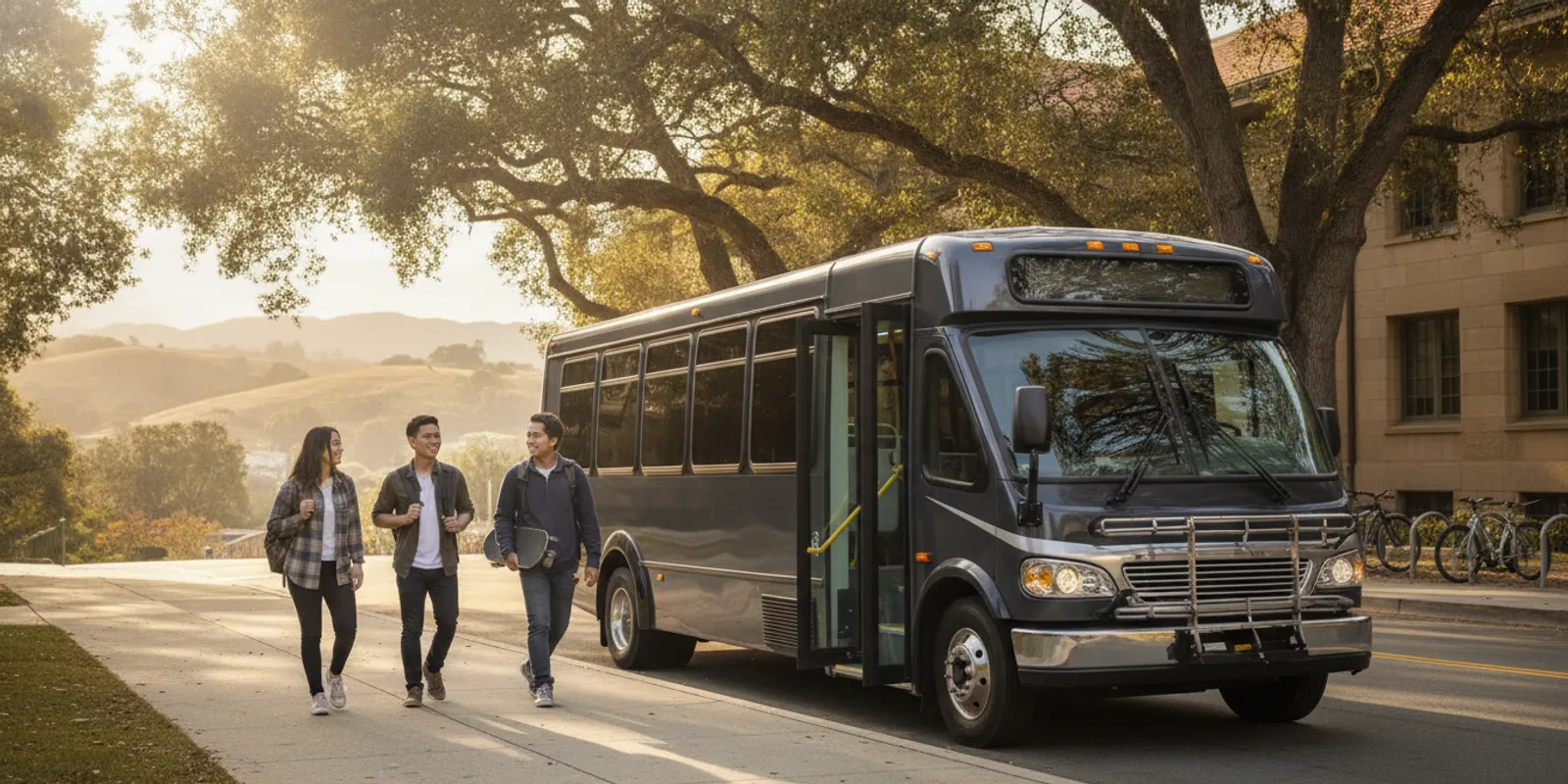
Professional chauffeur with a wedding transportation minibus
A professional chauffeur and the right-size vehicle support a dependable guest transportation plan.

What affects the cost of wedding transportation?

Finding the best wedding transportation options for your big day is a key part of your plan. Many factors change the final price you will pay for these services. Every wedding is unique. This is why most top firms use a quote-based model instead of set rates. This helps you get a plan that fits your exact needs and budget.

Fleet choice and guest count

The type of vehicle you choose has a big impact on your costs. Small luxury sedans are often the most low-cost choice for quick trips. But if you have a large guest list, a 56-seat motor coach might be better. Using one large bus can often save money compared to renting many small cars. Grouping guests into large vehicles also helps reduce traffic on local roads as shown in recent travel data. You must think about your guest count and the mix of cars you want for the day.

Service time and route details

Most rental firms charge based on a set number of hours. This often starts at three to five hours for wedding events. Your route distance and the number of stops also matter. If your wedding service and the party are in two towns, the driver must track more miles. Wait times between events can also add to the bill. Providing a full travel plan helps the team give you a more exact price. This prevents surprise fees on your final bill.

Common factors that change your wedding transportation quote include:

  • The total number of guests you need to move.
  • The mix of vehicle types, such as sedans or shuttles.
  • How many hours you need the service.
  • Total travel distance and the number of stops.
  • Wait times between other parts of the day.
  • Any special needs like the drinks you want.

Date and yearly demand

The date of your wedding is one of the biggest price factors. Peak wedding season in the Bay Area often runs from late spring through early fall. During these months, demand for high-quality cars is at its peak. Booking on a Saturday will also cost more than a weekday or a Sunday. It is best to plan ahead and book your rides at least six months before the date. This ensures you get the vehicles you want at a fair price.

At Epic Limousine, we believe in clear and honest pricing. We do not use surge models that change based on live demand. Instead, we look at your exact plan to create a fair quote. This helps you focus on your guests while we handle the road. To get the most exact price, we suggest you share your full travel plan with us early in the process.

Questions to ask before booking wedding transportation

Choosing the best wedding transportation options for your big day requires more than just picking a car. You need to know how a company handles the small details that keep your event on track. Start by asking about driver training and safety checks to ensure your guests are in good hands.

Safety and driver skills

Professional firms use drivers who hold a Commercial Driver License (CDL) and pass full background checks. This is a key step that sets a premium wedding limo service apart from basic rideshare apps. Ask if the drivers have experience with Bay Area hills or the narrow roads in wine country.

You should also check for proper state and federal permits. A top company will hold USDOT, CPUC, and SPAB certificates to show they follow strict safety rules. Verifying these documents helps you plan safe large events that do not strain local medical or traffic resources.

Timing and guest counts

Ask the company how they manage tight schedules to prevent late arrivals. You want to know if they use GPS tracking or local dispatchers to avoid traffic jams. Planning your transit can reduce travel times for everyone by cutting the number of private cars on the road.

Make sure to ask about the total seat count for your group. A large fleet that ranges from sedans to 56-passenger buses allows you to book reliable wedding guest shuttle services for any size. Clear communication about guest counts ensures no one is left behind at the hotel.

Cost and booking terms

Get a full breakdown of the costs before you sign. Ask if the quote includes fuel, fees, and tips for the driver. Professional teams offer clear pricing that avoids the sudden price hikes found with on-demand apps. This lets you set a firm budget for your wedding day.

Check the rules for changes or cancellations in case your plans shift. It is smart to book your fleet early to lock in the best vehicles for peak wedding months. Knowing the terms for overtime or extra stops will help you avoid high costs if the party runs late.

Request a custom quote from Epic Limousine before your date and preferred vehicle options fill up.

Frequently Asked Questions

What are the best wedding transportation options for large groups?

The best wedding transportation options for large groups often include a mix of high-end shuttles and large buses. Based on a study of high-occupancy transit, using shared rides can help lower traffic in busy areas. This choice keeps all your guests in one group and on time. It also helps lower the count of cars on the road. This makes the trip much smoother for each guest at the wedding.

How far in advance should we book a wedding shuttle in the Bay Area?

You should book your wedding shuttle at least six months before your big day. In the Bay Area, busy wedding months make it hard to find open dates. Booking early is a key part of planning for the best wedding transportation options. It ensures you get the right buses for your group size. This step also gives you peace of mind so you can focus on other parts of your special day.

Is a professional car service safer than rideshares for wedding guests?

A pro car service is much safer than using common rideshare apps. Pro drivers have a CDL license and must pass full checks. Firms like Epic Limousine also hold special permits like USDOT and SPAB. These rules make sure that the buses are safe and meet all state laws. Using a pro service helps you avoid the stress and risk of using drivers who lack these high rules.

How do I get an accurate price for wedding guest transportation?

To get a right price, you should ask for a custom quote based on your needs. Custom plans offer set prices that do not change based on high demand. This is much better than apps that raise rates when many people need a ride at once. Planning your trip with a local expert helps you find the best wedding transportation options for your budget. It also ensures you pay a fair price for great service.

Plan seamless wedding transportation with Epic Limousine

Your guests should remember the celebration, not the stress of finding parking or missing a pickup. Epic Limousine is a family-owned Bay Area transportation provider with professional chauffeurs and quote-based service tailored to your itinerary.

Call 415-366-4440 or request a wedding transportation quote to discuss your guest count, venues, pickup locations, and schedule.