
Bay Area commutes can turn a simple employee benefit into a daily operations problem. Choosing between a managed shuttle and transportation stipends determines who controls reliability, costs, and the rider experience.
Request a corporate shuttle service quote or call 415-366-4440 to discuss routes, schedules, and fleet options with Epic Limousine.
A corporate shuttle service gives employees scheduled, shared rides on routes and times designed around workplace demand. Unlike stipends that subsidize each worker’s individual commute, a shuttle program lets the employer manage capacity, safety standards, service quality, and arrival patterns. For Bay Area companies with concentrated employee clusters or fixed shifts, shuttles can make attendance more predictable and reduce the daily planning burden on commuters. Stipends often fit hybrid teams or widely scattered workers better, but their flexible format gives the company less control over availability, trip quality, and usage. The right choice depends on workforce geography, schedule consistency, budget goals, and the level of oversight the workplace team needs.
The decision is not simply about paying for transportation; it is about matching a commute benefit to the way your employees actually travel. Corporate shuttle service vs employee stipends at a glance puts the core tradeoffs side by side, and the path begins with:
Corporate shuttle service vs employee stipends at a glance
A corporate shuttle service gives a workforce a shared ride on a set route and schedule. A transportation stipend gives each employee funds to arrange a commute on their own. Both can ease travel concerns, but they place cost, planning, and daily risk in different hands.
The right choice depends on where employees live, when they travel, and how often they come to the workplace. Employers should also review the IRS rules for transportation benefits before setting payment and tax policies. Those rules can affect how a benefit is valued, reported, and managed.
Core differences
A shuttle program puts route planning, vehicle choice, and service oversight under one company plan. Employees know where and when their ride arrives. A stipend gives workers more freedom, yet each person must find and manage a suitable option.
| Factor | Corporate shuttle service | Employee stipend |
|---|---|---|
| Cost predictability | Planned around routes, schedules, and vehicle size | Set allowance, but total use may vary |
| Administration | Central contract and service oversight | Policy, payment, and claim management |
| Reliability | Scheduled rides with shared pickup points | Depends on each worker’s chosen option |
| Scalability | Routes and vehicle sizes can change | Easy to extend to more workers |
| Employee experience | Consistent shared trip with less daily planning | More personal choice and travel control |
| Ideal use case | Teams with common routes or work hours | Dispersed teams with varied schedules |
Where a shuttle fits best
A corporate shuttle service often fits offices with clear commute patterns and steady attendance. It can connect common pickup points, transit hubs, or parking areas with the workplace. The company can match each route with a vehicle that suits expected ridership.
This model also gives workplace teams one service plan to review and adjust. A provider’s commuter shuttle service can support recurring routes, set pickup times, and planned capacity. If attendance changes, the route or vehicle can be reviewed rather than leaving each rider to solve the gap.
Where stipends fit best
Stipends tend to suit teams whose employees live across a wide area or work different hours. Each worker can choose public transit, a rideshare, cycling costs, or another allowed option. This freedom helps when no single route would serve enough people well.
That flexibility also spreads the commute experience across many services. HR teams may need clear rules for eligible costs, unused funds, receipts, and payment timing. Employees may face different wait times, prices, or service gaps, even when they receive the same allowance.
Many employers use both models instead of treating the choice as absolute. A shuttle can serve the busiest route, while stipends support workers outside that area. Comparing ridership, schedule needs, and service gaps helps show which mix offers the most practical daily support.
Which option gives companies better cost predictability?
A corporate shuttle usually gives employers clearer operational cost controls because the quote is built around defined routes, schedules, service frequency, and vehicle size. A stipend fixes the allowance per eligible employee, but actual value depends on participation, tax treatment, administration, and whether employees can find reliable transportation.
Cost predictability depends on how each program is designed, tracked, and used. A corporate shuttle service usually starts with a tailored quote for an agreed operating plan. A stipend may look simpler because the company sets a limit. Yet actual stipend costs can shift with enrollment, use, and program rules.
What shapes a shuttle quote?
A shuttle quote reflects the service a company needs, not a flat public rate. Key inputs include route length, service hours, trip frequency, vehicle size, and the number of operating days. Pickup locations, wait time, parking, tolls, and special schedule needs may also affect the quote.
Planners can improve forecast accuracy by defining these inputs before asking providers for proposals. They should also test likely changes, such as adding a stop or extending a shift. Epic Limousine’s commuter shuttle service offers vehicles ranging from smaller options to motor coaches. That range helps planners match capacity to expected ridership.
A recurring route can create a clear base for monthly planning when the schedule stays stable. The agreement should state which items are included and which may change the bill. Ask how overtime, added mileage, extra trips, cancellations, holidays, and fuel-related charges are handled.
The full cost of commuter stipends
A stipend gives each eligible worker a set allowance or reimbursement limit. That limit helps frame the budget, but it may not show the full program cost. Total spend can change as employee count, eligibility, claim rates, and commuting patterns change.
Administration also belongs in the comparison. Staff may need to review claims, answer employee questions, manage enrollment, keep records, and resolve exceptions. Payroll and tax treatment can add more work. The IRS explains rules for fringe benefits, including transportation benefits, in Publication 15-B.
- Estimate the maximum benefit cost using every eligible employee, not only current participants.
- Measure staff time for setup, claim review, payroll work, support, and audits.
- Include payment platform fees and costs tied to unused or disputed benefits.
- Model low, expected, and high participation levels to show the likely spending range.
Stipends may offer flexibility when employees live across a wide area or commute on varied schedules. Their cost remains predictable only when eligibility, limits, and administration are clear. A planner should also decide how often participation assumptions will be checked and updated.
A fair total-cost comparison
Compare both options over the same time period and for the same employee group. Start with direct vendor or benefit costs. Then add internal labor, setup work, payment fees, parking, tolls, schedule changes, and a reasonable reserve for expected changes.
Next, divide the total by useful measures such as eligible employees, active riders, or completed trips. Each measure answers a different question. Cost per eligible employee supports budget planning, while cost per active rider shows how well people use the program.
Use several demand cases instead of one fixed forecast. For a shuttle, test different ridership levels and route changes. For a stipend, test participation and claim rates. This side-by-side model shows which option has the narrower cost range and which assumptions create the most risk.
How a corporate shuttle service changes the commute
A corporate shuttle service replaces individual trip planning with a consistent shared schedule. Employees can spend less time choosing daily transportation, while the employer gains a single service plan for monitoring capacity, punctuality, rider feedback, and route changes.

A more consistent daily routine
A corporate shuttle service gives employees a shared option built around their actual workday. Set pickup points and planned departure times make the trip easier to understand. Riders know where to meet, when the vehicle should arrive, and how they will reach the workplace.
This structure can reduce the daily guesswork tied to changing travel plans. It does not remove traffic or every possible delay. Still, a recurring route gives the company and its employees a clear plan when conditions change. Epic’s commuter shuttle service pairs that plan with professional chauffeurs and vehicles selected for the route.
Reliability also depends on careful program design. Teams should review pickup demand, shift times, road conditions, and expected ride length before setting a route. They can then track ridership and adjust stops or schedules as work patterns change. A backup plan for road closures, vehicle issues, or unusual demand also helps the team respond with clear updates.
A calmer employee experience
A dedicated shuttle lets employees step away from the task of driving during part of their commute. They may use the ride to read, answer messages, talk with coworkers, or simply rest. The value comes from having a stable travel option, not from promising a perfect trip.
The vehicle should match the number of riders and the type of route. A smaller group may need a compact option, while a busy corridor may call for a motor coach. Reviewing the available fleet choices helps planners balance space, comfort, and practical route needs.
Professional service matters at each point of the ride. Clear rider updates, clean vehicles, and consistent pickup procedures shape how employees view the program. A well-run shuttle can become a dependable part of the workday rather than another travel task to manage. Simple rider rules can also set clear expectations for boarding, bags, and onboard conduct.
Connection and broader access
Shared rides can create low-pressure time for coworkers to connect outside meetings. That time may help people from different teams become more familiar with one another. It should remain optional and comfortable, since some riders may prefer a quiet commute.
A shuttle can also extend access beyond employees who drive to work. Useful stops may connect a workplace with transit hubs, common neighborhoods, or remote parking areas. Planners should consider mobility needs from the start. The ADA.gov transportation guidance offers a useful reference when reviewing access and service choices.
Access improves only when the route fits real rider needs. Surveys, sign-up data, and employee feedback can show where service gaps remain. Employers can use that input to refine stop locations, timing, vehicle choice, and rider communication without overbuilding the program.
Ask Epic Limousine to compare a custom shuttle plan or call 415-366-4440 before choosing your employee transportation model.
How to choose the right employee transportation model
Choose the model by mapping employee locations, work schedules, attendance patterns, and likely ridership first. A shuttle is strongest where demand is concentrated and predictable. Stipends are often more practical for dispersed employees or highly variable schedules; a hybrid plan can cover both groups.
Choosing between a shuttle and a stipend starts with the trips employees need to make. A corporate shuttle service works best when enough riders share places and schedules. Stipends may fit a workforce with scattered homes, varied shifts, or changing travel needs.
Demand and operating needs
Start with employee input, but test stated interest against real commute patterns. Ask about home areas, workdays, shift times, mobility needs, and likely ride frequency. Then map the answers without collecting more personal data than the review needs.
- Define the decision. Set the business goal before comparing options. The goal might be easier commutes, better attendance, stronger hiring, or fewer parking demands.
- Measure likely demand. Survey employees and group responses by broad home area, worksite, shift, and office day. Separate occasional interest from people who expect to ride each week.
- Test route concentration. Look for clusters that can support shared stops and useful pickup times. If demand is spread across many areas, compare a stipend or mixed plan.
- Match schedules and capacity. Build possible runs around actual start and end times. Check each option against expected riders, peak days, luggage needs, and room for growth.
- Plan for access. Include riders with mobility, hearing, vision, and other access needs in the review. Confirm legal duties and practical needs before selecting a model.
- Compare total operating needs. Review vehicles, drivers, insurance, dispatch, rider support, billing, and backup plans. For shuttles, assess the provider’s ability to adjust routes when demand changes.
- Run a pilot. Test the strongest option with a limited group, clear schedule, and set review period. Keep the pilot long enough to show repeat use and common service issues.
Access must be part of the first review, not a late change. The Justice Department’s ADA guidance explains the law’s broad purpose and covered areas. HR teams should still confirm their duties with counsel and discuss rider needs with each provider.
Pilot design and procurement
A useful request for proposals gives each vendor the same operating picture. Share estimated riders, stops, service windows, required capacity, access needs, and reporting expectations. Ask how the provider handles missed runs, vehicle issues, schedule changes, and rider communication.
Vehicle choice should follow demand instead of leading it. Review Epic Limousine’s fleet options only after estimating peak riders and route needs. This keeps the comparison focused on fit, not vehicle size alone.
Compare proposals on the full service plan, not the base quote alone. Include billing terms, minimum commitments, driver standards, insurance, backup vehicles, and account support. A stipend review should also cover administration, eligible trips, employee taxes, and how the team will handle exceptions.
The pilot needs written boundaries. Choose the riders, routes, dates, service hours, and support process before launch. Explain what the pilot will test and what may change. Clear limits help employees give useful feedback without treating a trial schedule as permanent.
Measures that support a decision
Choose a short set of measures before the pilot begins. Useful measures include sign-ups, weekly rides, on-time pickups, cost per rider, support requests, and employee feedback. Compare those results with the same measures for a stipend plan.
Review results by route, shift, and office day because overall averages can hide weak service. Note whether missed rides come from low demand, poor timing, or service gaps. Those findings show whether to adjust the model, expand it, or test another option.
Set decision rules before reviewing the final results. For example, state the level of repeat use and service quality needed to continue. If a shuttle meets those rules, the team can scope a longer commuter shuttle program. If it falls short, adjust the route or compare a mixed plan.
When do stipends, shuttles, or a hybrid model work best?
Stipends work best for dispersed or irregular commuters. Shuttles work best for repeat travel patterns with common stops and schedules. A hybrid model works best when a company has one or more high-demand corridors plus employees who live beyond practical shuttle routes.
When stipends fit the commute
A stipend can work well when employees live across a wide area and follow different schedules. It gives each person some choice over how to reach the workplace. This approach may fit small teams, optional office days, or sites with strong public transit access.
Before offering a stipend, employers should set clear rules for eligible costs and required records. The IRS guide to fringe benefits explains federal tax treatment for transportation benefits. A tax professional can help a company apply those rules to its plan.
Stipends may be less useful when the final part of a trip has few safe or reliable options. They also place daily planning on each employee. HR teams should review whether the benefit improves access for people on every shift, not only daytime staff.
When a shuttle is the stronger fit
A corporate shuttle service works best when many employees share common pickup points, work hours, or office destinations. The service can connect a transit hub with a worksite. It can also serve a set route through areas where many employees live.
Regular routes give workplace teams more control over pickup times, capacity, and rider communication. They may suit large offices, campuses, late shifts, and sites with limited parking. Epic Limousine’s commuter shuttle service can use vehicles sized for different route needs.
A shuttle program still needs careful route planning. Teams should study employee locations, shift start times, likely demand, and road conditions. A short pilot can show which stops draw riders and where schedules need changes.
When a hybrid model makes sense
A hybrid model pairs fixed shuttle routes with stipends for employees whom those routes cannot serve well. For example, a company might run a shuttle from a busy rail station. It could then offer a stipend to staff working outside the main service window.
This model can support a workforce with both clear travel patterns and a smaller group of varied needs. It also lets a company focus shuttle spending on routes with steady demand. Stipends can fill gaps without adding a stop that slows the trip for most riders.
Set simple rules so employees know which option applies to them. Explain service areas, schedules, stipend limits, and how exceptions are reviewed. Check ridership and employee feedback on a regular schedule, then adjust the mix as work patterns change.
The right choice depends on where people live, when they travel, and how often they come onsite. Compare each option against access, ease of use, and total program cost. A mixed approach may work when no single commute benefit serves the full team.
What should your corporate shuttle plan include?
A practical corporate shuttle plan should define expected ridership, pickup points, schedules, route timing, vehicle capacity, accessibility needs, service standards, backup procedures, and a process for reviewing performance. These inputs help a transportation provider prepare an accurate, quote-based plan.
A useful shuttle plan starts with facts about the people who will ride and the trips they need. It should name each pickup point, worksite, operating day, and target arrival time. The plan should also show passenger counts by stop and time slot. These inputs give a commuter shuttle service a clear base for routing and pricing.
Stops, schedules, and passenger demand
List the exact address for every planned stop, not just a city or neighborhood. Note nearby loading rules, curb space, and safe places for riders to wait. For each shift, include the desired worksite arrival and departure times. Add a reasonable boarding window so the schedule can handle normal traffic changes.
Passenger counts should reflect expected daily riders, peak demand, and changes by weekday. If ridership varies by season or shift, include that pattern in the request. Also note whether riders must reserve seats or can board without a booking. This detail helps set service frequency and avoids assigning too much or too little capacity.
Fleet fit and route design
The right vehicle depends on more than the total headcount. Planners should consider luggage, mobility needs, road limits, loading areas, and the space available at each stop. The available fleet can help teams compare vehicle sizes before they set the final route.
Route design should balance direct travel with useful coverage. Too many stops can make the ride slow, while too few may limit access. A custom plan should compare possible stop groups, estimated travel times, and the number of daily runs. It should also state whether vehicles will stay dedicated or serve several routes.
Accessibility needs belong in the first planning brief, not in a later revision. The ADA standards provide a useful reference when teams review access at stops and facilities. Share rider needs early so the proposed vehicles, boarding process, and route can support them.
Service levels and backup plans
Define what reliable service means for the program. The request should cover service frequency, driver arrival times, rider communication, dispatch support, and procedures for missed pickups. It should also name the person who can approve schedule or route changes. Clear ownership helps the operator act fast when plans shift.
Contingency planning should cover traffic delays, vehicle issues, road closures, and sudden changes in passenger demand. Ask how replacement vehicles and backup drivers will be assigned. For trips that need a separate car or a tighter schedule, executive transportation may support the wider shuttle plan.
A complete quote request brings these details together in one place. Include stops, schedules, passenger counts, fleet needs, route goals, run frequency, and backup requirements. Then note the planned start date and any trial period. This gives each corporate shuttle service provider the same scope and makes proposals easier to compare.
Ready to compare a shuttle program with your current commute benefit? Contact Epic Limousine for a custom corporate shuttle quote or call 415-366-4440.
Frequently Asked Questions
How does a corporate shuttle service compare with employee transportation stipends?
A corporate shuttle service gives employees scheduled transportation on defined routes, while stipends help individuals pay for their own commutes. Shuttles offer employers more control over routes, schedules, capacity, and service standards. Stipends provide more flexibility for employees with varied locations or work hours. The better choice depends on commute patterns, attendance policies, and administrative needs.
What affects the cost of a corporate shuttle service in the Bay Area?
Corporate shuttle service pricing depends on route length, operating hours, service frequency, vehicle size, stop count, and required amenities. Recurring schedules and passenger demand also shape the quote. Companies should compare the total program cost with stipend expenses, employee participation, and internal administration. Epic Limousine uses quote-based pricing for its commuter shuttle service.
How can a company decide whether employees will use a corporate shuttle?
Start by reviewing employee home locations, common transit hubs, shift times, and expected office attendance. An anonymous commute survey can reveal preferred stops, schedule needs, and likely participation. Employers can then test a limited route before expanding service. A shuttle is usually most practical when enough employees share predictable commute patterns and arrival times.
Can a company offer both a corporate shuttle service and transportation stipends?
Yes. A company can use shuttles for high-demand routes and provide stipends for employees outside those service areas. This hybrid approach can support varied schedules without adding low-use shuttle stops. Employers should define eligibility, reimbursement rules, and how often routes will be reviewed. Clear policies also help employees understand which transportation option applies to their commute.
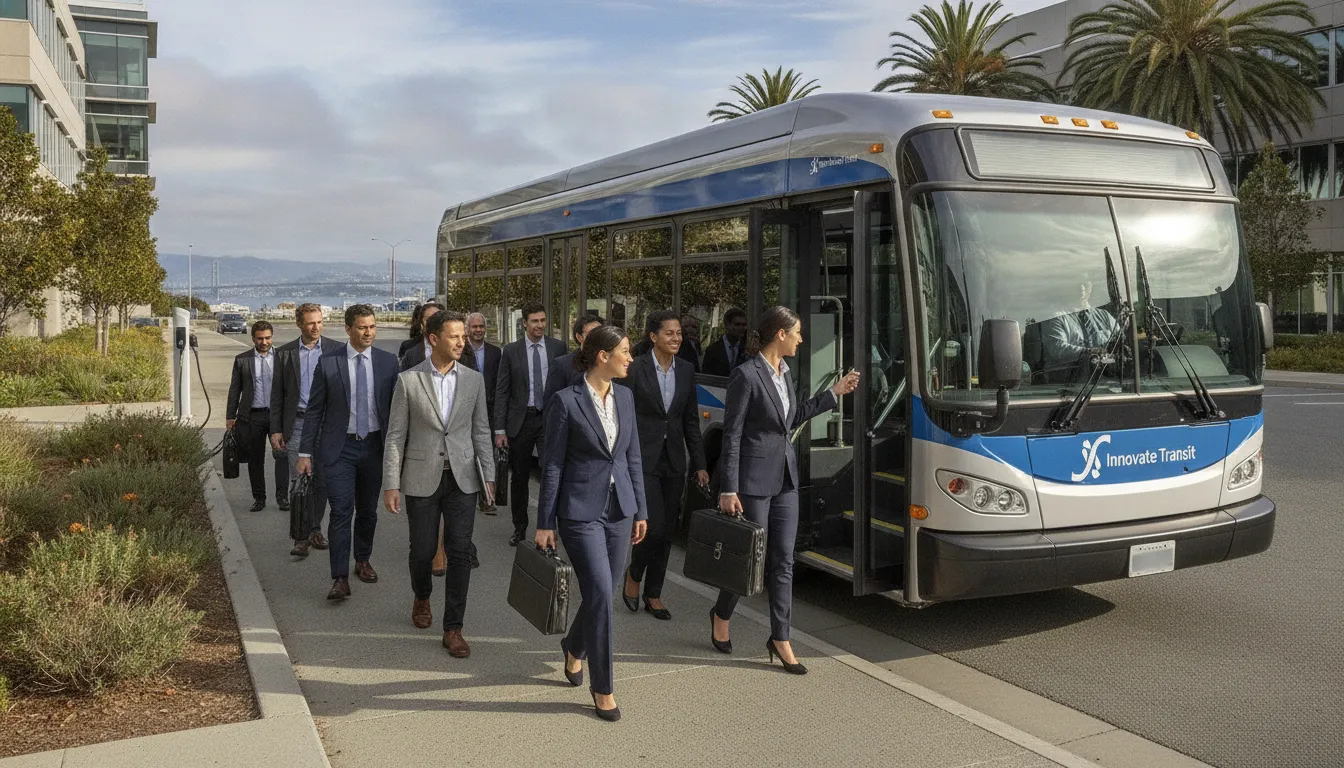
Ready to Improve Your Bay Area Commute Plan?
Waiting to address unreliable commutes can leave employees facing the same daily stress while transportation costs remain difficult to manage. Starting now gives your team time to compare routes, schedules, and budgets before your next planning cycle. A tailored shuttle plan can help you choose a clear approach that supports employee needs and company priorities.
Family-owned since 2012, Epic Limousine has built a 4.9-star reputation by helping Bay Area organizations plan professional transportation. Epic Limousine can review your locations, expected ridership, schedule needs, and service goals with your team. You will receive a practical quote built around the details that matter to your company. Ready to plan a more dependable commute option? Request a custom corporate shuttle quote or call 415-366-4440 to start the conversation and explore the right service plan for your Bay Area workforce.